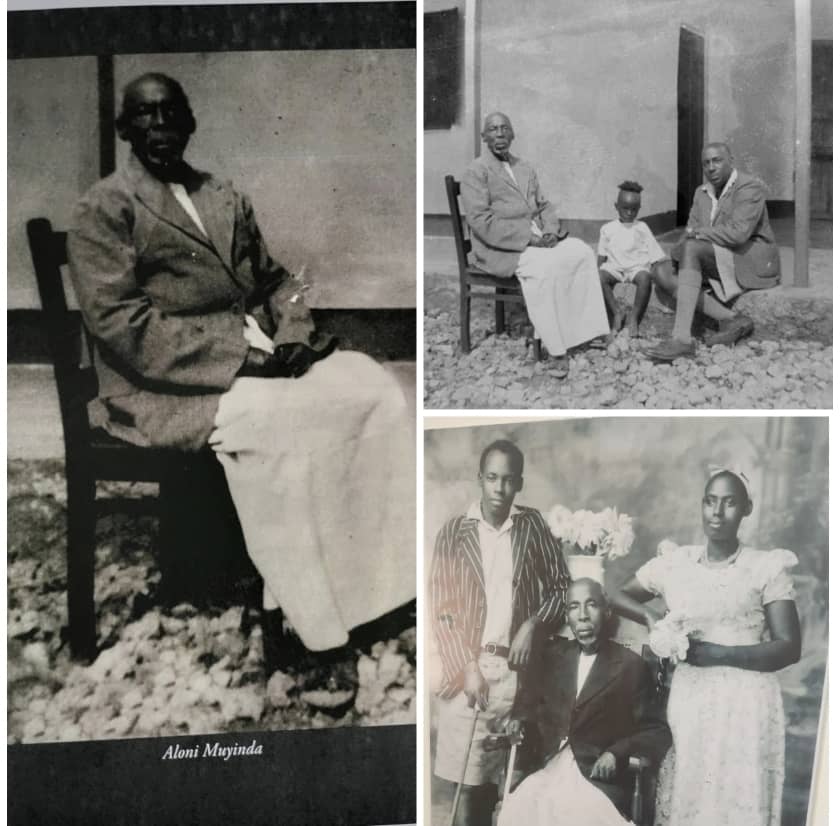
 FROM SLAVE BOY TO PRIEST: The 3-Year-Old Slave Captured In Mpororo Who Became The Father Of The East African Revival. Rev. Aloni Muyinda.
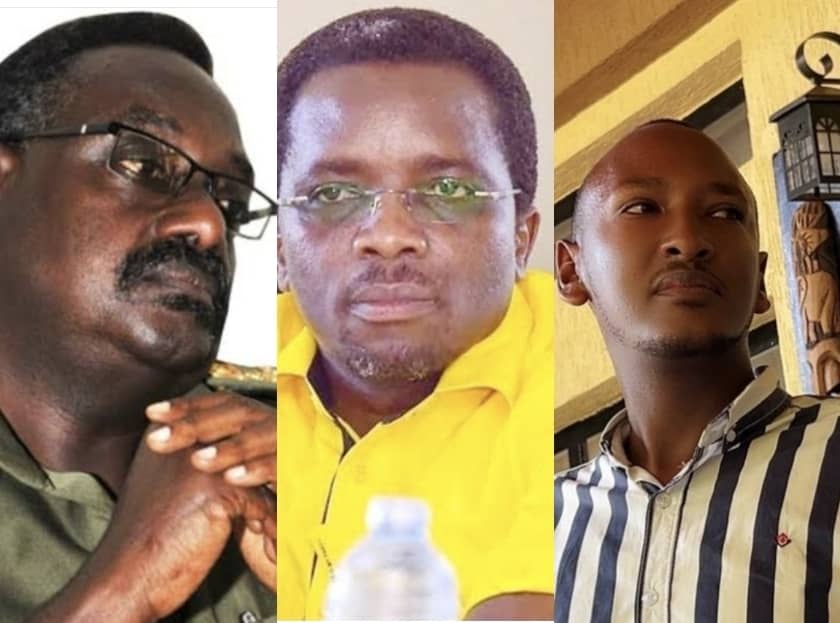 GEN. SEJUSA, KAVIIRI AND OMONA Clash Over Balaalo Identity. Its an occupation, not a tribe.
 HON MINISTER LYDIA WANYOTO, HON. JAMES KABERUKA ENCOURAGE KAMPALA PARENTS TO TAKE LEARNERS TO KAMPALA STANDARD NURSERY AND PRIMARY SCHOOL KYANJA FOR HOLISTIC LEARNING EXPERIENCE.
 BOY FROM THE HILLS OF NYARUSHANJE NOW CHIEF JUSTICE: Zeija Thanks God, Museveni. H.E MUSEVENI TO KIGEZI: Education Must Go Hand In Hand With Wealth Creation.
 TEA FARMERS WIN BIG! GOVT RELEASES Shs 89BN TO RESCUE TEA SECTOR: AS HON. KARIISA KOY PUSHES TEA BILL FROM SEEDLING TO CUP
GEN. SEJUSA, KAVIIRI AND OMONA Clash Over Balaalo Identity. Its an occupation, not a tribe.

By Musa Rwamigoye.
KAMPALA: Former intelligence chief Gen. David Sejusa has rejected the Balaalo identity, arguing that the term describes cattle herders rather than an ethnic group, and carries offensive cultural meanings among the Banyankore.
Sejusa, who previously served as Coordinator of Intelligence Services, Chief of Military Intelligence and Senior Presidential Adviser, said the term has been misunderstood and wrongly adopted by some communities.
THE SPARK: A HEATED EXCHANGE ON X.
The debate started on X after Opio Albino Ronald posted:
“We hate those fools called Balalo, we are not against any tribe but against the cattle keepers called Balalo. Arrogant human beings only”
Aaron Kaviiri, a young man from Kinoni-Kiruhura, replied:
“And as far as I know none has ever hated Balalo and ended well. Ask around.
Balalo just like any other sect or tribe has its flaws and strengths. Not all Balalo are arrogant, but truth is that among them, there are those who are arrogant.
You hate them because of silly politics.”
It was that reply that drew in Gen. Sejusa.
SEJUSA: “ARE YOU A MULALO?”
In a wide-ranging post directed at Kaviiri, Sejusa asked:
“But why do you accept to be called Balalo? You, Aaron Kaviiri, are you a Mulalo?”
He explained that Balaalo refers to nomadic herdsmen who move from one grazing area to another with cattle. He insisted that these people belong to different ethnic communities and cannot be classified as one tribe.
“Balalo are not a tribe, or even a sect. They are nomadic people who graze cows from place to place. And these belong to many tribes!” he wrote.
AN OCCUPATION, NOT A TRIBE.
According to Sejusa, the term gained prominence in the 1950s and 1960s when wealthy Baganda employed herdsmen to look after their cattle.
He argued that these workers earned wages for tending livestock but did not own the animals.
“So Balaalo were herding cattle for pay. They never owned cattle themselves. So it is an occupation. Just like you call people mechanics, doctors, etc. So it is not a tribe,” he explained.
Sejusa said cattle keeping cuts across several Ugandan communities, including the Banyankore, Banyarwanda, Banyoro, Baganda, Bakooki, Batooro, Basoga, Langi and Karamojong.
He also cited the Bahaya and Maasai communities outside Uganda to demonstrate that cattle keeping is not limited to one ethnic group.
OMURAARO MEANT TRAGEDY- THE CULTURAL ARGUMENT.
The former spymaster further argued that the term carries a negative cultural meaning among the Banyankore, particularly the Bahima.
He claimed that the Runyankore word _omuraaro_ traditionally referred to tragedy or misfortune and featured in expressions used to curse people.
“In Banyankore culture, especially the Bahima, OMURAARO meant TRAGEDY,” he wrote.
Sejusa cited the expression “Keitwe omuraaro gwaherize oweitu”, which he interpreted as wishing someone the same tragedy that had struck another family.
He expressed disappointment that some Banyankore had accepted a label he considers offensive.
“Now, it is sad that Banyankore have accepted being called OMWINARO A CURSE!” he wrote.
“You must reject this characterisation because it is alien to your culture, but also an INSULT!”
LAND, HATE AND THE NORTHERN DEBATE.
His interpretation comes amid a long-running debate over the use of the term Balaalo in Uganda.
The name commonly describes migrant cattle keepers, particularly those who move with their livestock into northern Uganda in search of pasture.
However, its meaning and application remain contested. Some pastoralists consider the term derogatory, while others use it as a general description of cattle herders, regardless of ethnicity or whether they own livestock.
The term has also featured in disputes over land ownership, crop destruction and cattle movements in Acholi, Lango and other parts of northern Uganda.
In November 2023, President Yoweri Museveni issued directives requiring cattle owners in parts of northern Uganda to fence their land and stop their animals from destroying crops.
The government renewed efforts to remove non-compliant herders in 2025, citing land disputes and tensions with local communities.
Sejusa’s remarks shift attention from these land disputes to the cultural identity of the people commonly described as Balaalo.
REACTIONS FROM THE NORTH
Isaac Kidega, commenting on the debate, wrote: “No, we hate them [Acholi] because of how they have encroached on our land from the marginalised group of people in our region. Their animals destroy our crops and they don’t want to be told about it.”
Kidega’s comment came after former PPS to the President, Dr. Kenneth Omona, replied to Aaron Kaviiri.
Dr. Omona wrote: “The so-called Balalo, as the President has called them, want very much to push the word hate in people’s mouths. They should not be complained against, they should be left to enjoy impunity.
I am very very happy, that Ugandans now get to know them well, even those who blamed me, President Museveni and Betty Amongi (Hon), can now see for themselves. Threatening Ugandans against their own God-given rights, especially land and customs may be futile. Comment noted.”
THE POLITICS BEHIND THE SAGA.
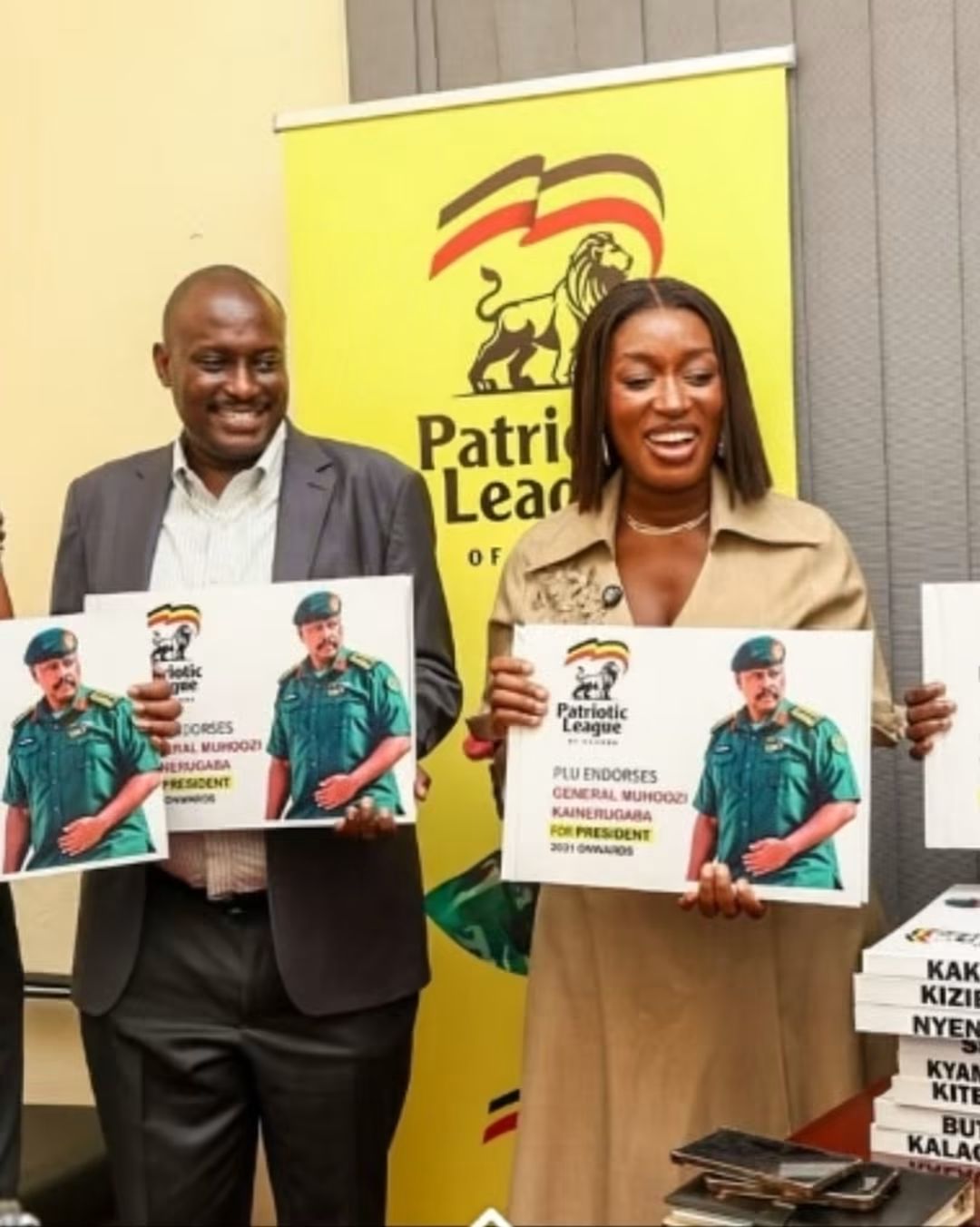
The whole saga emanated from the political wrangle between Dr. Kenneth Omona and Frank Mwesigye, a stalwart of PLU and a diehard of Gen. Muhoozi Kainerugaba.
Gen. Sejusa, formerly known as Tinyefuza, served in several senior military and intelligence positions before retiring from the Uganda People’s Defence Forces in 2022.
His latest comments challenge the idea that cattle keepers from different ethnic backgrounds should share a single identity based on their livelihood.
Leave a Comment
Your email address will not be published. Required fields are marked *