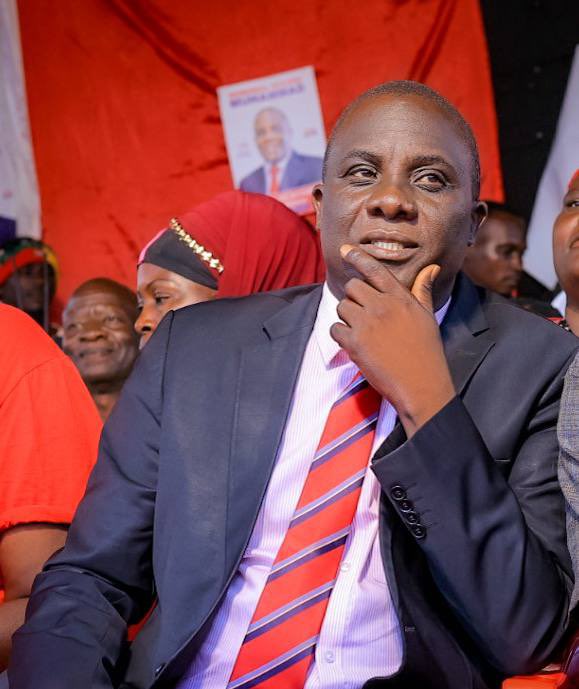
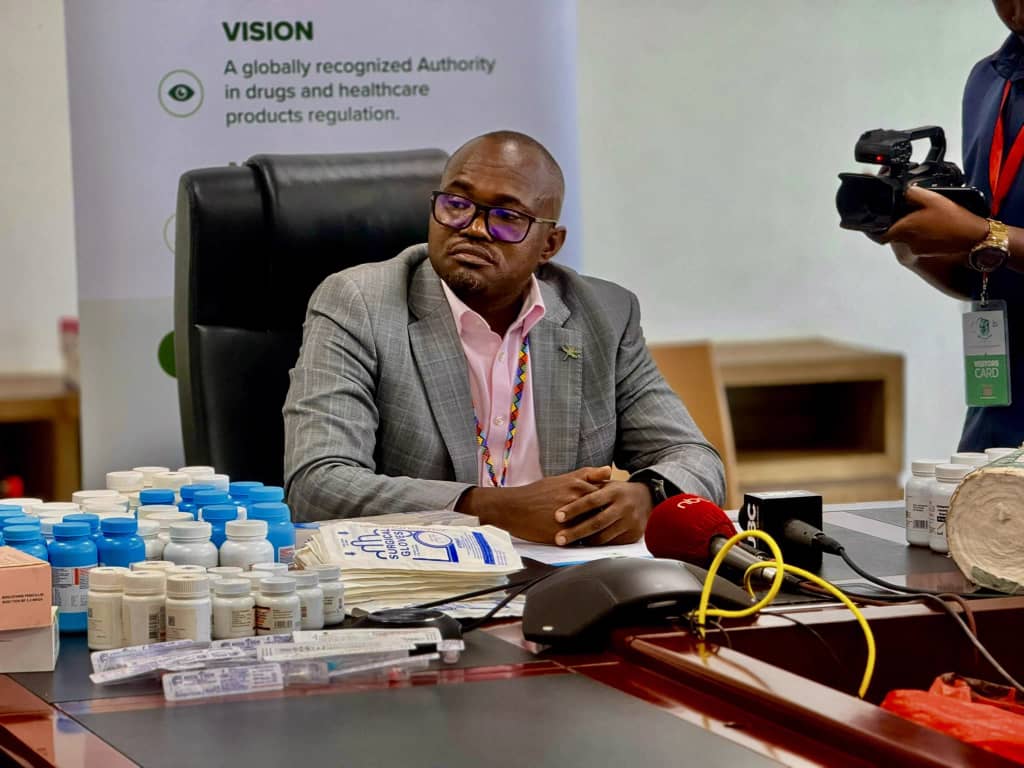
 SHS296M GONE? NDA Spokesman Abiaz Rwamwiri, Faces Court Over Fake Accountabilities.
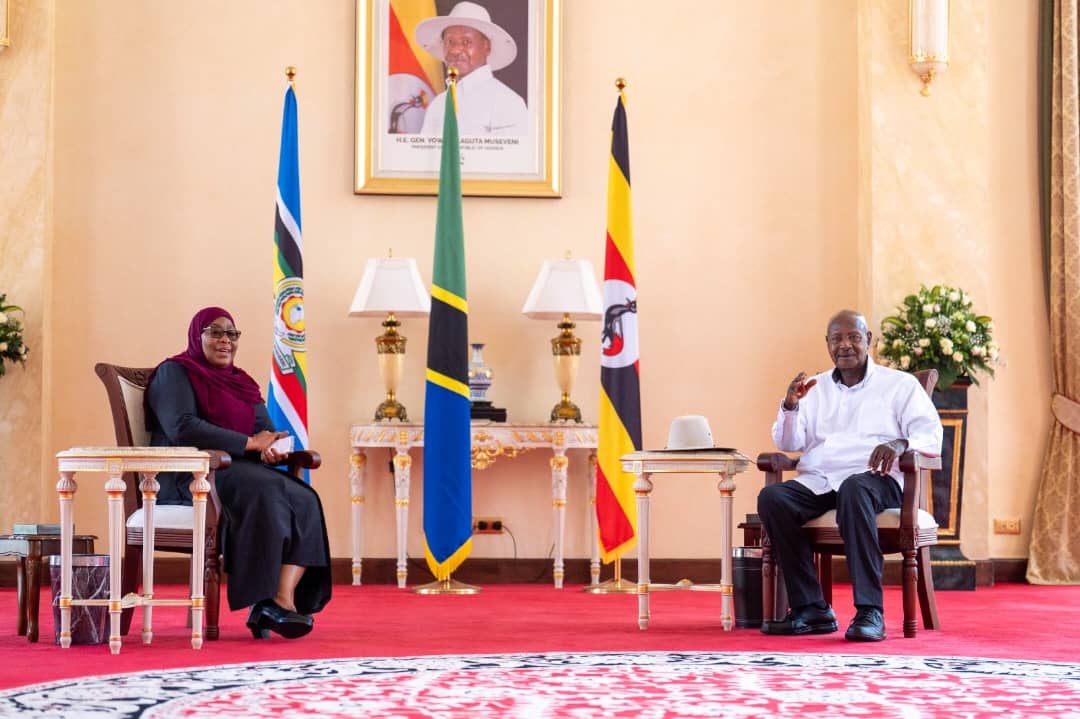 H.E MUSEVENI AND H.E SAMIA SEAL THE OIL DEAL: EACOP 93.9% DONE, SGR NEXT
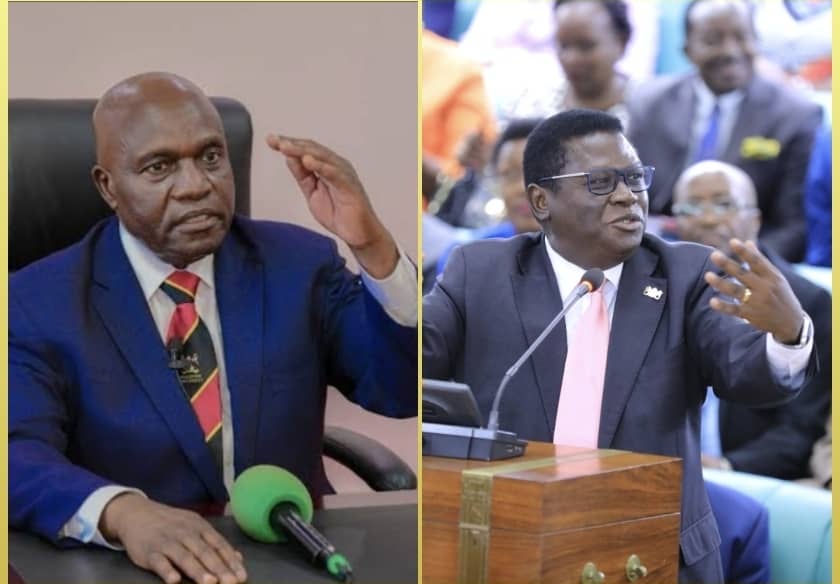 MAO TO MWENDA: You Cannot Beat People In Basements And Call It Transformation. Dr. KIYONGA Backs Him In Parliament.
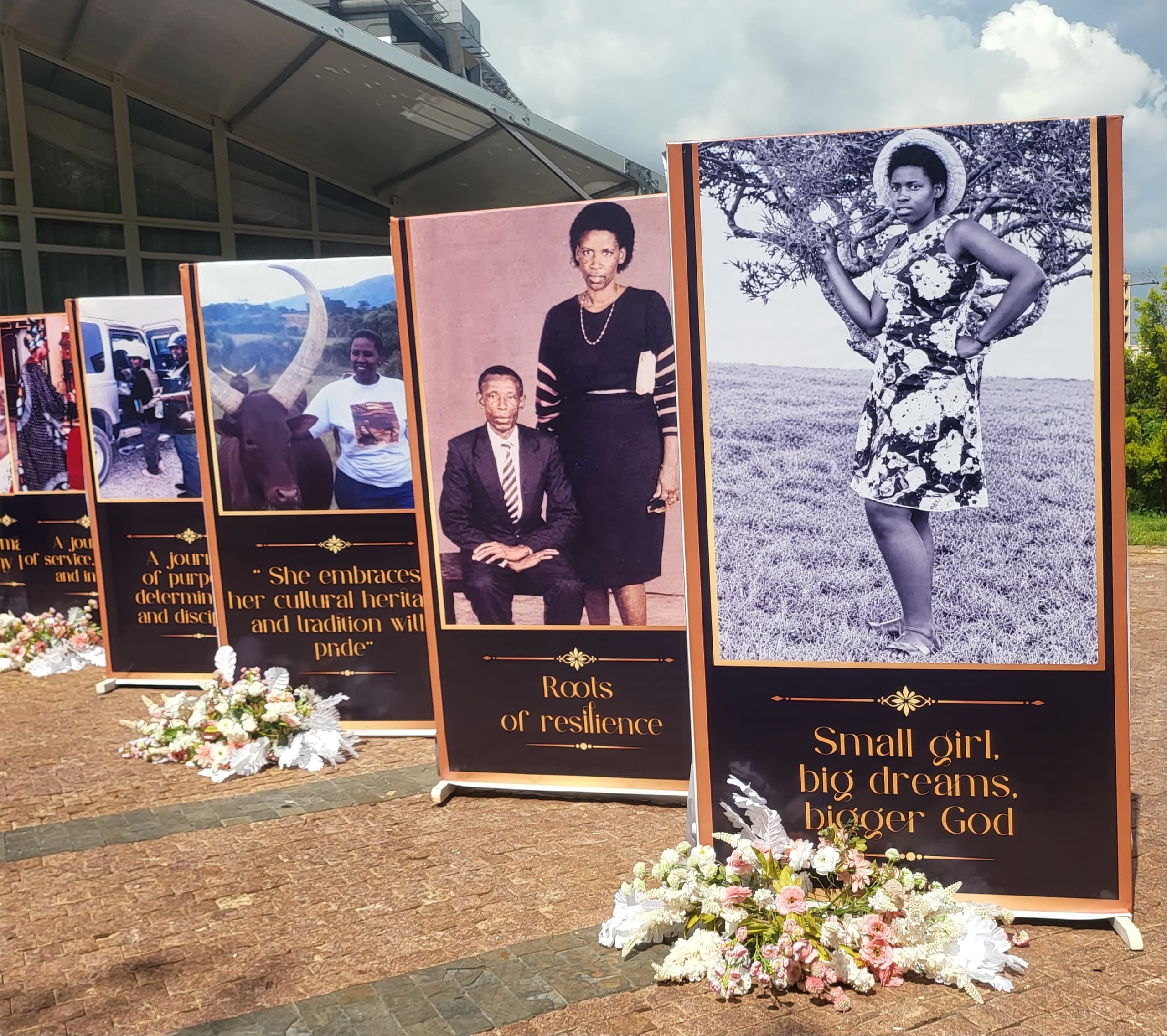 Dr. KELLEN KAYONGA: The Woman Who Needs No Title To Lead- Honoured At Glamorous Serena Dinner.
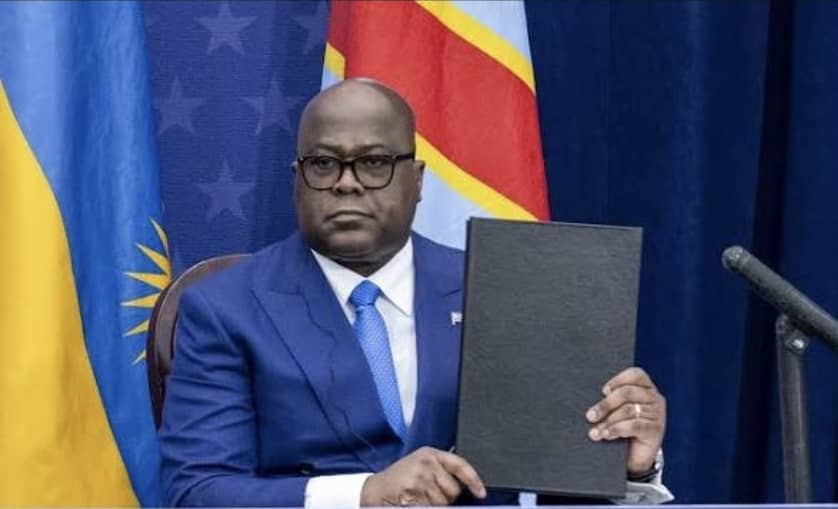 10 YEARS IN JAIL FOR RIGGING ELECTIONS: Who Will Punish The Powerful? Tshisekedi’s New Referendum Law Explained.
Who is Watching Minister Balaam's Anti-Corruption Crusade?
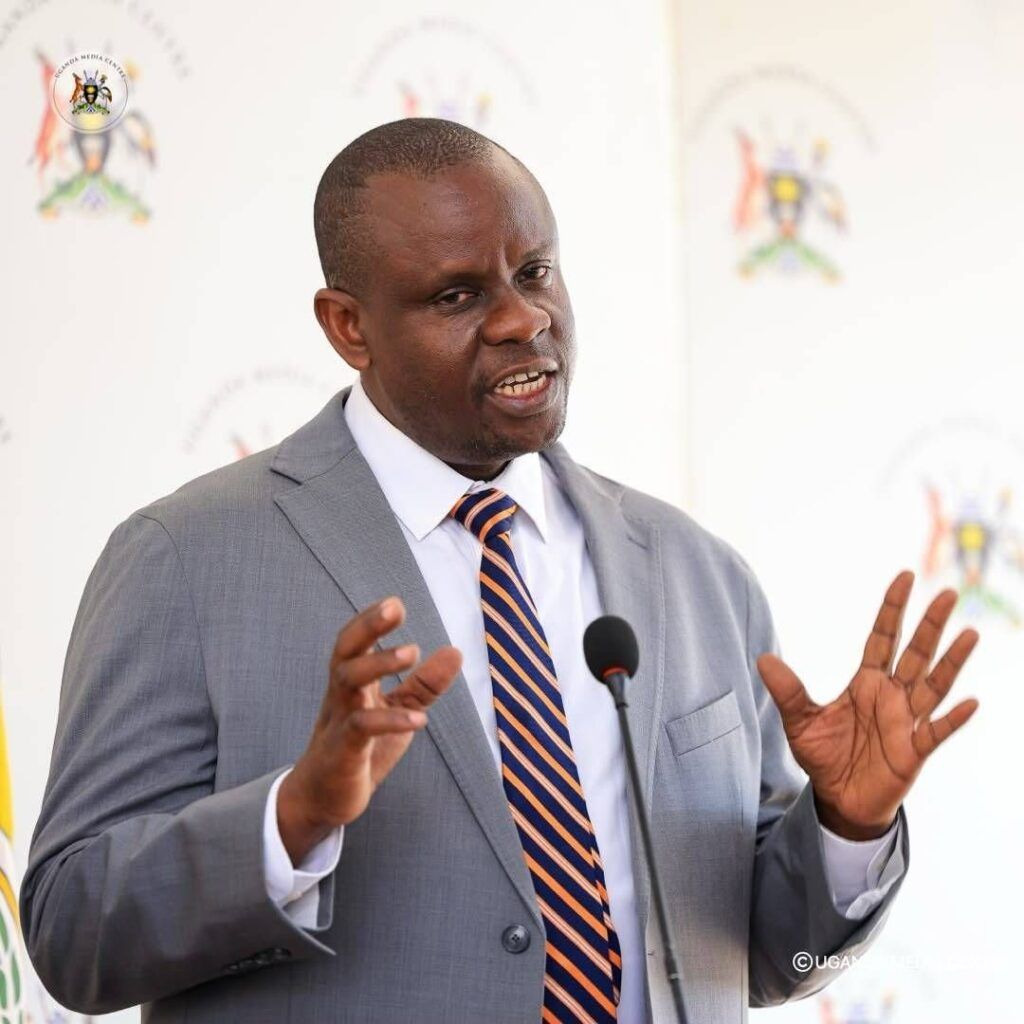
By Micheal Nelson Byaruhanga
Uganda needs a corruption crackdown. But when arrests become public theatre, legal process risks becoming an afterthought, and the costs of the campaign remain insufficiently explained, citizens have every right to ask who is watching the watchdogs.
Let us do some simple mathematics.
What does it cost to facilitate a minister travelling across the country to monitor local government services? Who pays for the transport, the personnel, the equipment, the logistics and the public rallies? And how do we know that the money is being spent transparently?
Minister Balaam Barugahara is not travelling like a minister conducting routine administrative inspections. At times, the operation resembles a mobile festival; trucks, sound equipment, a sizable crew, public rallies and a nationwide tour to expose the corrupt.
To be fair, corruption in Uganda's local governments is not an imaginary problem. Allegations of ghost workers, inflated school enrolment, questionable procurement, shoddy roads and missing public funds deserve serious investigation. Citizens whose taxes disappear while their health centers lack essential services have every reason to demand accountability.
But here is the uncomfortable question: who is accounting for the anti-corruption campaign itself?
Balaam Events is a business separate from its proprietor's public office. Legally, a company may indeed have a separate identity from its owner. But legal separation does not automatically settle questions of public ethics.
If equipment associated with a minister's private events business is being used in connection with official ministry activities, citizens deserve evidentiary clarity. Is the equipment privately provided, publicly funded, or hired under a government contract? If there is a contract, what procurement process was followed? Who approved the expenditure? Were competing suppliers considered? What safeguards prevent a public office from conferring a commercial advantage on a business associated with its holder?
These are questions, not verdicts. I have seen no documentary evidence establishing that Balaam Events has received an improper government contract or that public money has been diverted to it. But the absence of proven wrongdoing is not a reason to dismiss legitimate questions about transparency. It is a reason to answer them with records.
The public should not have to choose between believing a minister's explanations and entertaining conspiracy theories. Procurement documents, expenditure disclosures and clear declarations of interests would be far more useful than either option.
When accountability becomes a performance
The country has watched public officials confronted, accused and arrested during highly publicized inspections. The images are dramatic. The minister arrives, complaints are aired, orders are issued, and suspects are sometimes led away before the cameras.
It makes compelling political theatre. But a camera is not a court, an accusation is not a conviction, and a minister's outrage is not a substitute for evidence.
The concerns are not merely those of political opponents. In September, head teachers raised complaints about intimidation and arrests, while government officials acknowledged the need to treat suspected wrongdoers fairly. The Inspectorate of Government has also warned that the campaign must respect natural justice and that ad hoc interventions can expose the state to costly litigation.
In October, the Inspector General of Government reportedly renewed concerns about suspects being treated as guilty before the law had established their culpability.
These concerns deserve attention, even from those who welcome the campaign.
The question is not whether corrupt officials should be investigated. They should. It is whether investigations are being conducted in a manner that protects evidence, respects the rights of suspects and ultimately produces lawful, sustainable outcomes.
A public servant may be corrupt. Another may be incompetent. Another may have made an administrative mistake while working in an underfunded institution. These are not interchangeable categories. Each requires evidence and an appropriate response.
Even where there is compelling preliminary evidence, an arrest is the beginning of a legal process, not its conclusion.
The missing ending
What if the country becomes so captivated by the spectacle of exposing corruption that it forgets to ask what happens afterwards?
What becomes of the cases announced at rallies? Which files reach prosecutors? Which suspects are charged? Which cases proceed to trial? Who is acquitted? Who is convicted? How much money is recovered, and where does the recovered money go?
In August, the government reported arrests and investigations arising from the campaign. In October, the reported national figures had grown substantially. Those figures may indicate the scale of the problem and the reach of the operation. They do not, by themselves, tell us how many cases have resulted in final judicial decisions or how much public money has actually been recovered.
That is the difference between a campaign that generates headlines and one that delivers justice.
If officials are arrested, publicly humiliated and later return to work, the public deserves an explanation of what happened. Were they released on police bond? Were investigations inconclusive? Were allegations unsupported? Were disciplinary proceedings completed? Were charges withdrawn or cases dismissed? Each possibility has a different meaning.
Nor should an official's return to work automatically be interpreted as proof of a secret deal. Due process can legitimately end an investigation or restore an employee to office. But where cases are abandoned without clear explanations, the public is entitled to demand institutional accountability.
The answer is not to assume guilt. It is to demand that the process be transparent enough to distinguish justice from impunity.
Who is financing the show?
A nationwide operation costs money. There are transport costs, personnel, accommodation, fuel, communications, equipment and event logistics. Some expenses may be covered by government budgets; others may be provided through existing institutional resources or other lawful arrangements.
Which arrangements apply here? The government should publish the campaign's budget, its funding sources and the expenditure incurred. Where private businesses associated with public officials provide goods or services, the relevant contracts, procurement decisions and conflict-of-interest safeguards should be disclosed to the extent permitted by law.
This is not an accusation that Balaam Events has been paid through kickbacks. I have no verified evidence to establish that claim, and it would be irresponsible to present it as fact.
It is, however, a legitimate question of public accountability: how is the campaign financed, and who benefits commercially from its operations?
The answers should be straightforward. If the arrangements are proper, transparency will help demonstrate that. If there are irregularities, scrutiny should expose them.
And if public officials are suspected of receiving bribes in exchange for avoiding prosecution, those allegations must be investigated independently. No one should be permitted to use the anti-corruption campaign as a shield against scrutiny, just as no one should be condemned by insinuation.
We already have institutions for this
Uganda has institutions mandated to investigate corruption, examine public expenditure, prosecute offences and hold public officers accountable. These include the Inspectorate of Government, the police, the Office of the Director of Public Prosecutions and the courts, alongside specialized anti-corruption bodies.
The campaign's supporters argue that taking investigations directly to communities helps expose wrongdoing that entrenched networks might otherwise conceal. President Yoweri Museveni has defended the field inspections on the grounds that they bypass officials who might obstruct accountability. That argument should not be dismissed lightly.
But neither should the existence of bureaucratic obstacles become a permanent justification for bypassing safeguards.
The minister can help bring complaints to light. He can monitor service delivery, demand explanations and refer suspected offences to the competent authorities. The institutions responsible for investigation and prosecution must then do their work independently and lawfully.
If those institutions are failing, reform them, resource them and demand results. If they are compromised, investigate the compromise. But do not confuse a dramatic intervention with a durable solution.
And if the campaign succeeds in exposing wrongdoing, its success should be measured not by the number of officials paraded before cameras, but by the quality of the evidence, the fairness of the proceedings, the recovery of public funds and improvements in services delivered to citizens.
Justice is not a fundraising event
There is a final danger in this spectacle: the possibility that public anger becomes a resource to be exploited rather than a force for reform.
When citizens are encouraged to see every accused official as already guilty, every arrest as proof of success and every critic as an enemy of accountability, scrutiny itself becomes suspect. That is a dangerous place for a democracy.
Uganda must fight corruption. Those who steal public money should be held accountable, repay what the law requires them to repay, where applicable, and face the appropriate legal consequences. Recovery of stolen funds matters, but repayment must not become a substitute for criminal accountability where prosecution is warranted.
Nor should the public be asked to trust a crusade simply because it carries an anti-corruption label. A war against corruption cannot be fought by abandoning the principles that distinguish justice from persecution.
So, who will answer the, what if question?
What if the real test of this campaign is not how loudly it exposes others, but how openly it submits itself to scrutiny?
What if the most important thing the minister can do next is publish the accounts, clarify the procurement arrangements, explain the status of the cases and let the courts determine guilt?
And what if the greatest victory against corruption would be to make the campaign so transparent that nobody needs to speculate about who is paying, who is benefiting or why a case has stalled?
We do not need another travelling festival of outrage. We need evidence, transparent public spending, independent investigations, fair trials and convictions where guilt is proved.
If Balaam's campaign can deliver those things, it will deserve credit. If it cannot, the sound system will eventually fall silent, the trucks will return to their depots, and the public will be left with the same old question: where did the money go, and who was held accountable?
The anti-corruption crusaders must not be exempt from the very scrutiny they demand of everyone else. Otherwise, we risk replacing one culture of impunity with another—only this time, it will arrive with louder speakers.


Leave a Comment
Your email address will not be published. Required fields are marked *