 SHS296M GONE? NDA Spokesman Abiaz Rwamwiri, Faces Court Over Fake Accountabilities.
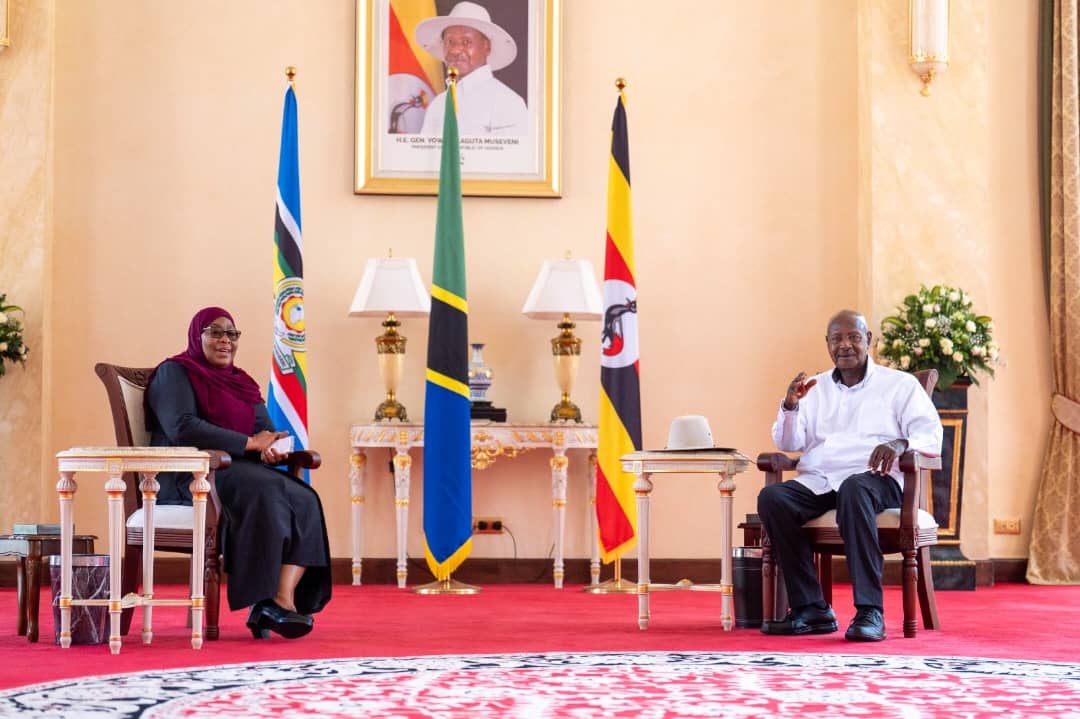 H.E MUSEVENI AND H.E SAMIA SEAL THE OIL DEAL: EACOP 93.9% DONE, SGR NEXT
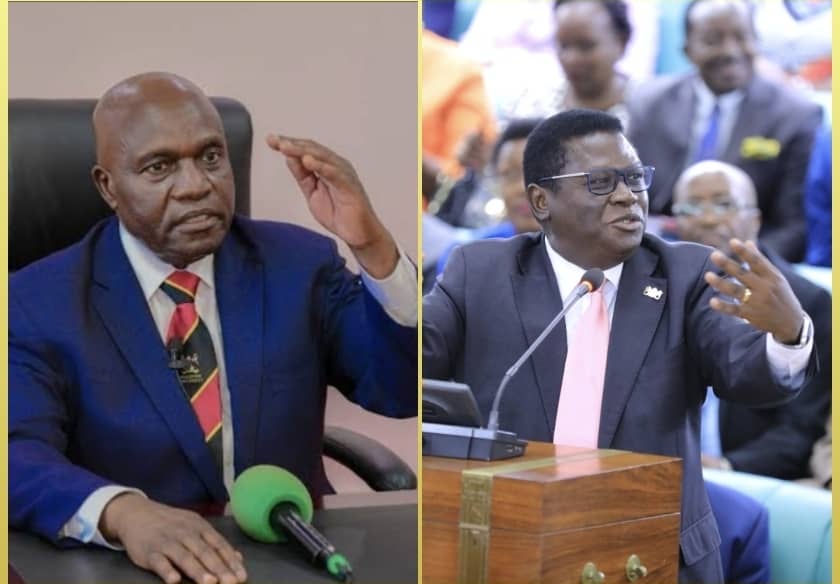 MAO TO MWENDA: You Cannot Beat People In Basements And Call It Transformation. Dr. KIYONGA Backs Him In Parliament.
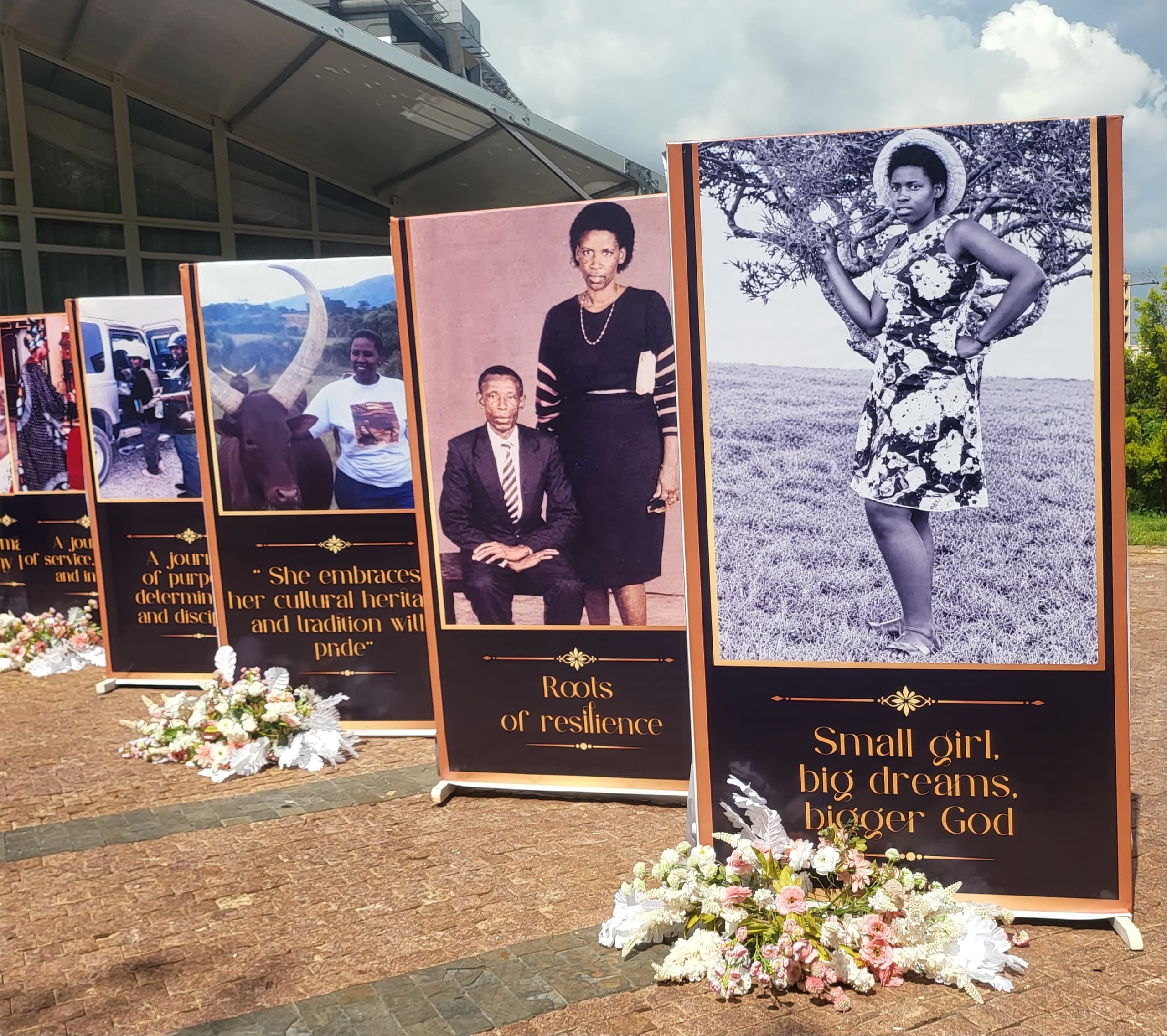 Dr. KELLEN KAYONGA: The Woman Who Needs No Title To Lead- Honoured At Glamorous Serena Dinner.
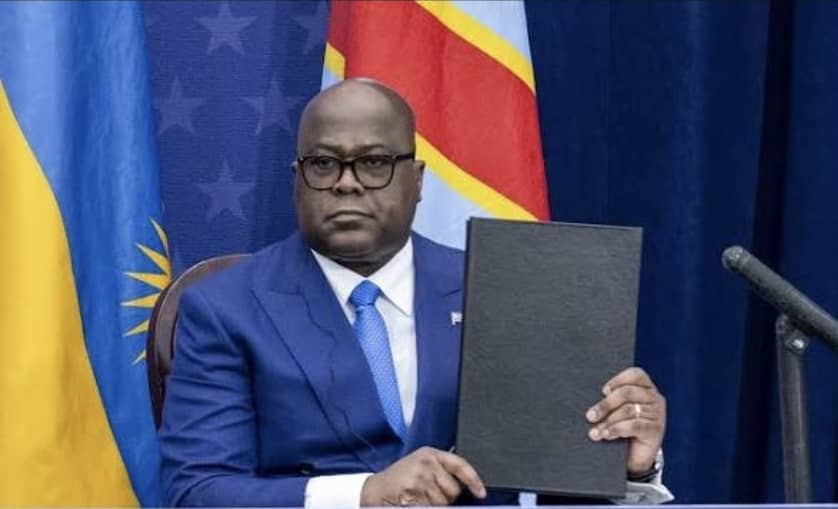 10 YEARS IN JAIL FOR RIGGING ELECTIONS: Who Will Punish The Powerful? Tshisekedi’s New Referendum Law Explained.
H.E MUSEVENI AND H.E SAMIA SEAL THE OIL DEAL: EACOP 93.9% DONE, SGR NEXT

By Musa Rwamigoye.
Uganda and Tanzania have agreed to fast-track major regional infrastructure projects, including the East African Crude Oil Pipeline (EACOP), the Standard Gauge Railway (SGR) and cross-border energy connectivity initiatives, in a renewed push to deepen economic cooperation and regional integration.
The agreement was reached during bilateral talks between President Yoweri Museveni and his Tanzanian counterpart, Samia Suluhu Hassan, at State House, Entebbe, on Wednesday, November 18, 2026.
President Hassan is in Uganda for a two-day state visit from November 18 to 19, accompanied by Tanzanian ministers and senior government officials.
H.E MUSEVENI: Prosperity Needs Markets, Not Just Production.
Addressing a joint press briefing after the meeting, Museveni called for deeper economic integration, arguing that sustainable prosperity depends on countries exploiting their natural resources, developing productive populations, securing markets for their goods and investing in efficient transport and communication infrastructure.
He said production alone could not generate wealth without reliable markets, citing the United States as an example of a country that had built prosperity by harnessing its resources and strengthening its economic systems.
Museveni also backed plans to establish a refinery in Hoima alongside support for a larger refinery in Tanzania’s Tanga, arguing that regional coordination would allow the countries to pool resources and develop strategically located facilities.
He described failure to pursue such arrangements as a “crippling mistake”, saying cooperation should extend to refining, storage, distribution and other aspects of the petroleum value chain.
EACOP Now 93.9% Complete.
President Museveni said the two countries had agreed to expedite the completion and commissioning of EACOP, which has now reached 93.9% completion, while also accelerating the development of the SGR.
“We agreed to expedite the completion and commissioning of EACOP which is now 93.9% complete, and accelerate the development of the SGR. We also discussed strengthening electricity connectivity, developing Tanga as a regional energy hub and removing trade barriers,” Museveni said.
The 1,443-kilometre pipeline is designed to transport crude oil from Uganda’s Lake Albert oilfields in Hoima to a marine terminal near Tanga on Tanzania’s Indian Ocean coast, where the crude will be exported to international markets.
The two leaders described EACOP as a flagship regional project expected to strengthen energy security, attract investment, create jobs and accelerate socio-economic development in Uganda, Tanzania and the wider East African region.
Tanga Energy Hub and Power Links.
The two Presidents called for an integrated regional energy industry anchored in value addition, industrialisation and joint investment.
They directed relevant authorities to expedite implementation of the August 2026 Memorandum of Understanding to develop Tanga into a Regional Energy Hub. The proposed facility will support petroleum storage, refining, trading, distribution and logistics, as well as investments in fertilisers, plastics, industrial chemicals and other petroleum-based products.
They also called for faster development of natural gas and refined petroleum products pipelines, alongside the 400kV electricity interconnector linking Wobulenzi, Masaka, Ibadakuli and Shinyanga.
SGR, Lake Victoria and Ports.
On railway infrastructure, the two Presidents welcomed the signing of a Framework Agreement for the Isaka–Lusahunga–Murongo/Kikagati–Mpondwe Standard Gauge Railway project.
They directed the responsible ministries, railway authorities and other institutions to expedite feasibility studies, technical designs, financing arrangements and other outstanding preparatory work.
The railway is expected to improve cross-border connectivity, facilitate trade, reduce transportation and logistics costs and strengthen regional integration.
President Hassan also announced plans for the MV Mwanza vessel to begin operating between Mwanza and Port Bell. The vessel has a capacity of 400 metric tonnes of cargo and 1,200 passengers, providing an additional connection for trade and passenger movement.
She said Tanzania was also modernising the ports of Dar es Salaam and Tanga while expanding its railway network to improve regional connectivity.
The two leaders welcomed efforts to improve transport services on Lake Victoria, including plans to upgrade Port Bell and strengthen its railway connection to Kampala. The improvements are expected to enhance multimodal transport and increase cargo-handling capacity.
H.E Museveni Raises Concerns Over Second-Hand Clothes.
The two governments also committed to promoting balanced and mutually beneficial trade through improved market access, diversification of goods and services, value addition and stronger private-sector partnerships.
However, Museveni challenged Uganda and Tanzania to protect their textile industries, warning that continued imports of second-hand clothes, commonly known as Mivumba, were undermining local manufacturing.
He questioned why the issue had not been prioritised by the countries’ inter-ministerial committee in Arusha and urged officials to address it during their forthcoming engagements.
Museveni argued that strengthening textile manufacturing would expand industrial production, create employment and retain wealth within the region. He called on Tanzania to support Uganda’s position in the discussions.
However, he cautioned against retaliatory trade restrictions, saying protectionist measures could undermine regional integration and hurt producers in both countries.
Citing concerns about Tanzanian rice entering the Ugandan market, Museveni said he had rejected calls to block the imports because the rice was cheaper and of better quality.
He warned that restricting Tanzanian farmers could trigger similar measures against Ugandan products in neighbouring markets, urging East African countries to embrace competition and integration rather than erect trade barriers.
Women, Youth, Clean Cooking and UN Reform.
The two leaders also discussed Women and Youth in Trade under the African Continental Free Trade Area, and Clean Cooking.
They further called for reforms of the United Nations system to make it more representative, democratic and responsive to contemporary global realities. They particularly advocated equitable African representation on the UN Security Council in line with the Ezulwini Consensus and Sirte Declaration.
The Presidents expressed satisfaction with the outcomes of their discussions and pledged to translate the agreed commitments into concrete action to strengthen the longstanding partnership between Uganda and Tanzania.
Museveni thanked President Hassan for accepting his invitation, while the Tanzanian leader expressed appreciation to the Government and people of Uganda for the reception and hospitality extended to her delegation.
Leave a Comment
Your email address will not be published. Required fields are marked *