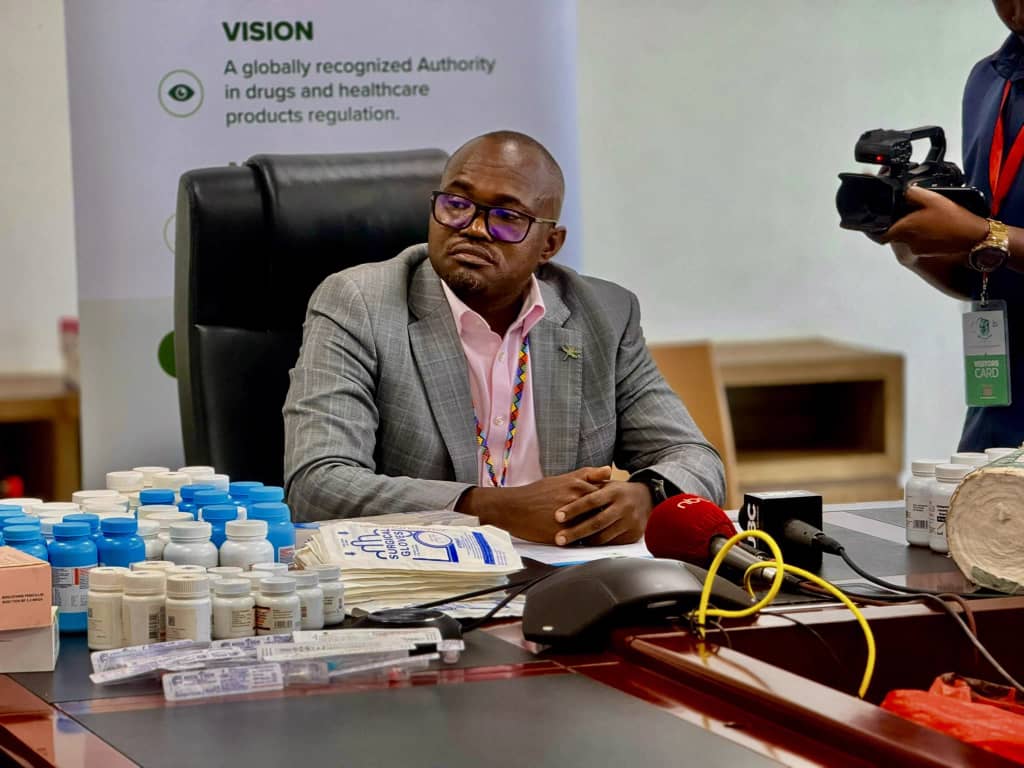
 SHS296M GONE? NDA Spokesman Abiaz Rwamwiri, Faces Court Over Fake Accountabilities.
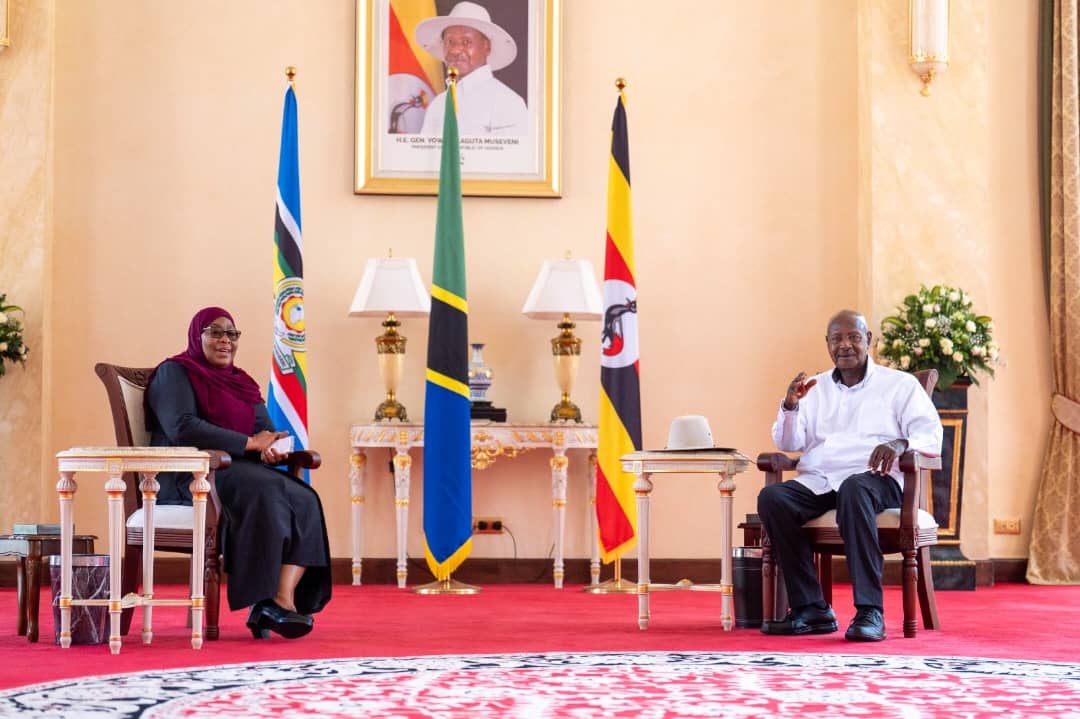 H.E MUSEVENI AND H.E SAMIA SEAL THE OIL DEAL: EACOP 93.9% DONE, SGR NEXT
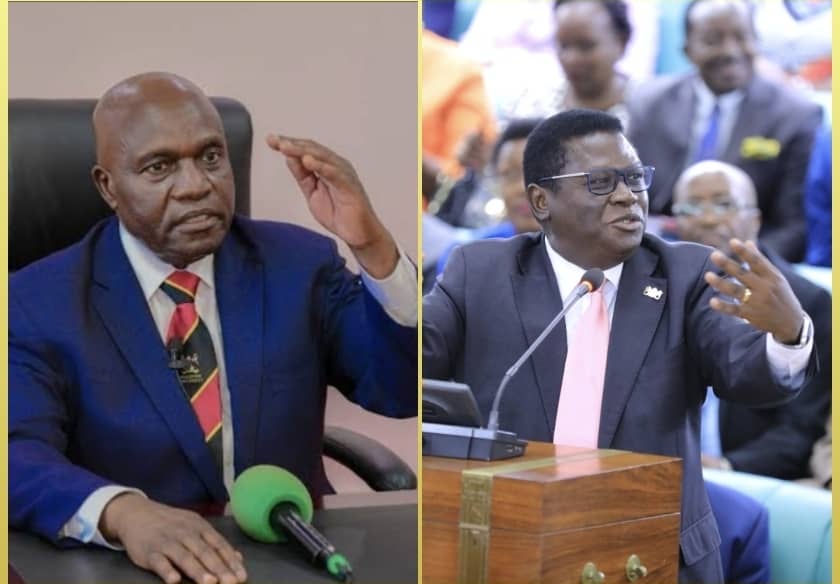 MAO TO MWENDA: You Cannot Beat People In Basements And Call It Transformation. Dr. KIYONGA Backs Him In Parliament.
 Dr. KELLEN KAYONGA: The Woman Who Needs No Title To Lead- Honoured At Glamorous Serena Dinner.
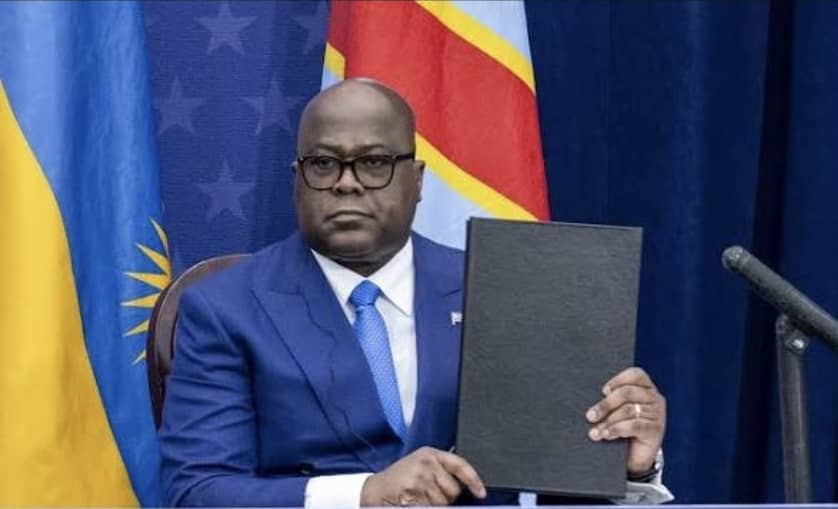 10 YEARS IN JAIL FOR RIGGING ELECTIONS: Who Will Punish The Powerful? Tshisekedi’s New Referendum Law Explained.
USAID EXIT COSTS UGANDA BILLIONS: URA Misses Target By UGX727Bn As NGOs Close.
By Musa Rwamigoye.
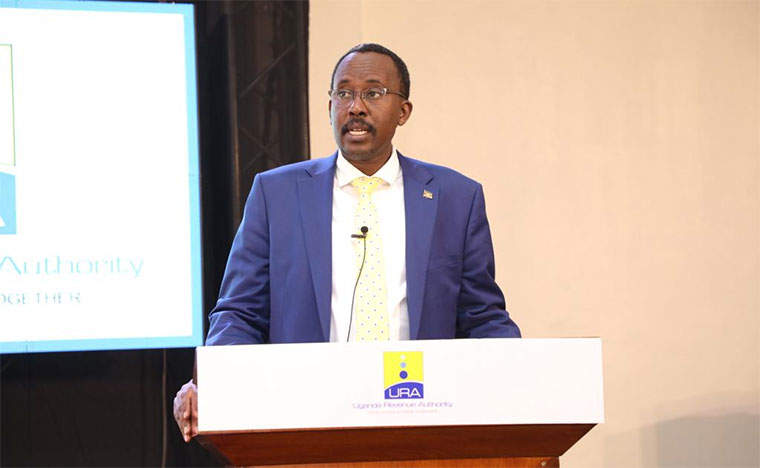
KAMPALA: Uganda Revenue Authority (URA) collected UGX36.012 trillion in FY2025/26 against a target of UGX36.739 trillion, leaving a shortfall of UGX727.26 billion, Commissioner General John Musinguzi told Parliament’s Finance Committee on 13th November 2026.
The biggest blow came from Pay As You Earn (PAYE), which fell short by UGX174.8 billion after the withdrawal of USAID funding forced several NGOs to close.
URA had projected to collect UGX5.99 trillion in PAYE but collected UGX5.815 trillion, a performance of 97.08%. Despite the shortfall, PAYE still grew by about 8%.
Musinguzi attributed the gap to reduced remittances from extraterritorial organisations, health, public administration and real estate sectors.
“Tax heads did not perform as expected, starting with Pay As You Earn, which despite the growth had a shortfall of UGX174 billion. This mainly came from reduced remittances from extraterritorial organisations and bodies, human health activities, public administration, and the real estate sectors. The main reason was reduced donor support. As we all know, the withdrawal of USAID-funded projects affected a number of these organisations,” he said.
“A number of NGOs had to close down and therefore the fraction of pay that they were contributing was impacted,” he added.
VAT And Rental Tax Also Hit.
URA also missed its target on VAT on imports, collecting UGX4.009 trillion against a projection of UGX4.491 trillion, a shortfall of UGX482 billion.
Rental income tax recorded a shortfall of UGX100 billion, partly because NGO closures left many commercial properties vacant.
“Rental tax performance was not good for two reasons. There was reduced occupancy as a result of reduced funding, especially for the NGO world. A number of them were hiring premises. Following the withdrawal of funding by USAID, they have since closed, so that impacted collections,” Musinguzi said.
He added that low compliance and slow adoption of the Electronic Fiscal Receipting and Invoicing Solution (EFRIS) had worsened the problem, with many landlords under-declaring rental income, especially in Kampala’s Central Business District.
“There is also a low degree of technology absorption in this sector. It is one of the outstanding battles we are still fighting, to have landlords receive their payments through the EFRIS system and declare fully what they earn. A lot of landlords are still under-declaring their rental incomes,” he said.
Excise Duty Drops As Ugandans Shift To WhatsApp Calls.
Excise duty on imports fell short by UGX137 billion, while local excise duty fell short by UGX178.5 billion.
The decline in local excise was driven by the telecom sector, where URA recorded a fall in voice calls as Ugandans shifted to WhatsApp and other internet-based calls.
“Collections from voice calls are reducing because citizens now prefer to make more calls over the internet. They also pay some tax on data, but it is not as much as it used to be on voice calls. When you make a phone call, you spend more than when you use data and internet calls over WhatsApp,” Musinguzi said.
He warned that excise duty on data could also be affected by unlicensed WiFi operators redistributing internet without paying tax.
“The Wi-Fis being redistributed by other unlicensed operators are also eating into that market share. That is a regulation issue which I believe UCC is looking into, to make sure that whoever is dealing in data pays the right tax,” he said.
Delays In Excise Law Cost UGX90 Billion.
Musinguzi further told the Committee that delays in bringing the excise duty law into effect had cost about UGX90 billion in revenue from petroleum products in the first two months of FY2026/27.
He said URA was emphasising manufacturer education and checks on delivery trucks, warning that untaxed products were reducing revenue from manufacturers that pay tax.
He told MPs that kombucha drinks made in garages were reaching trading centres across Uganda, while enforcement teams faced a backlash when seizing bottles without tax stamps.
MP Queries Fatal Shooting In Busia
Elgon North MP Nangoli Gerald challenged URA over the fatal shooting of a child in Busia, asking whether its enforcement officers were properly trained to handle firearms.
Musinguzi did not give details of the incident during the session, but the question put URA’s enforcement methods under renewed scrutiny.
A 13-to-14-year-old pupil named Dominic Wejuli was shot dead in Busia District during a violent anti-smuggling operation by the Uganda Revenue Authority (URA).
Dominic Wejuli, a Primary Four pupil at Buhobe Primary School was seeking refuge inside a nearby house or tea room when a stray bullet struck him.
The incident triggered local anger over the use of live ammunition and alleged excessive force in a civilian trading center. Reports indicate URA later engaged with the family to cover burial costs and support the injured.
Are Targets Unrealistic?
Brenda Nabukenya (Luwero Woman MP) asked whether URA is consulted when revenue targets are set, arguing that persistent shortfalls could mean the Ministry of Finance is setting unrealistic targets.
“You are the professional ones in this area. You need to advise the Executive and Parliament that maybe with this target, we can only go with this. This won’t be possible, because we end up planning a very big budget that is not realistic. What is your role in this?” she asked.
Musinguzi admitted URA has little say in setting targets and would advocate for lower targets if given the chance. For now, he said, the Authority must work with targets set by Parliament and the Ministry of Finance.
He, however, argued that Uganda still has room to grow revenue, noting that the country’s tax-to-GDP ratio stands at 14%, below the 20% minimum needed to finance development priorities.
“Going by the tax-to-GDP indicator, I think there is still room for improvement for our country because now we are at 14% and yet for our country to develop, we need to collect a minimum of 20%,” he said.

Leave a Comment
Your email address will not be published. Required fields are marked *