 SHS296M GONE? NDA Spokesman Abiaz Rwamwiri, Faces Court Over Fake Accountabilities.
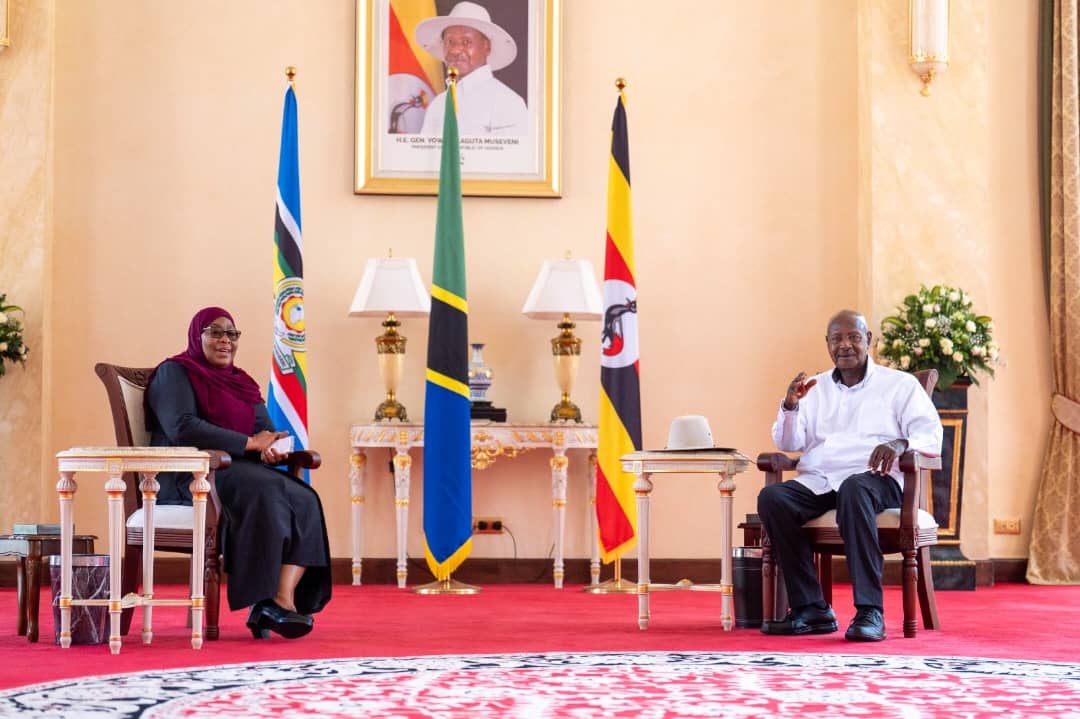 H.E MUSEVENI AND H.E SAMIA SEAL THE OIL DEAL: EACOP 93.9% DONE, SGR NEXT
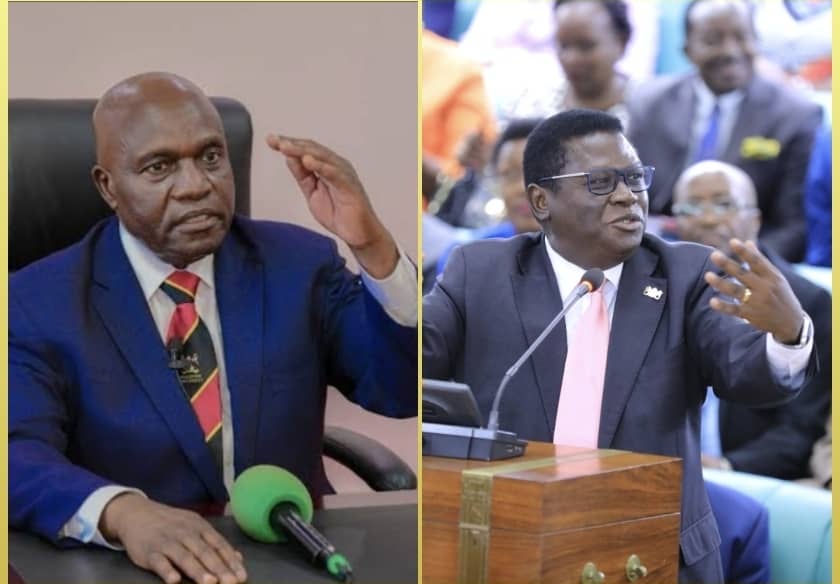 MAO TO MWENDA: You Cannot Beat People In Basements And Call It Transformation. Dr. KIYONGA Backs Him In Parliament.
 Dr. KELLEN KAYONGA: The Woman Who Needs No Title To Lead- Honoured At Glamorous Serena Dinner.
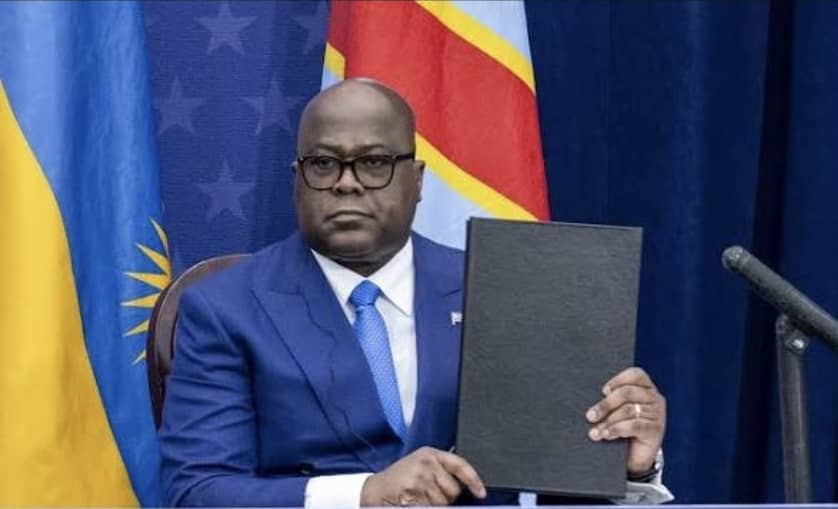 10 YEARS IN JAIL FOR RIGGING ELECTIONS: Who Will Punish The Powerful? Tshisekedi’s New Referendum Law Explained.
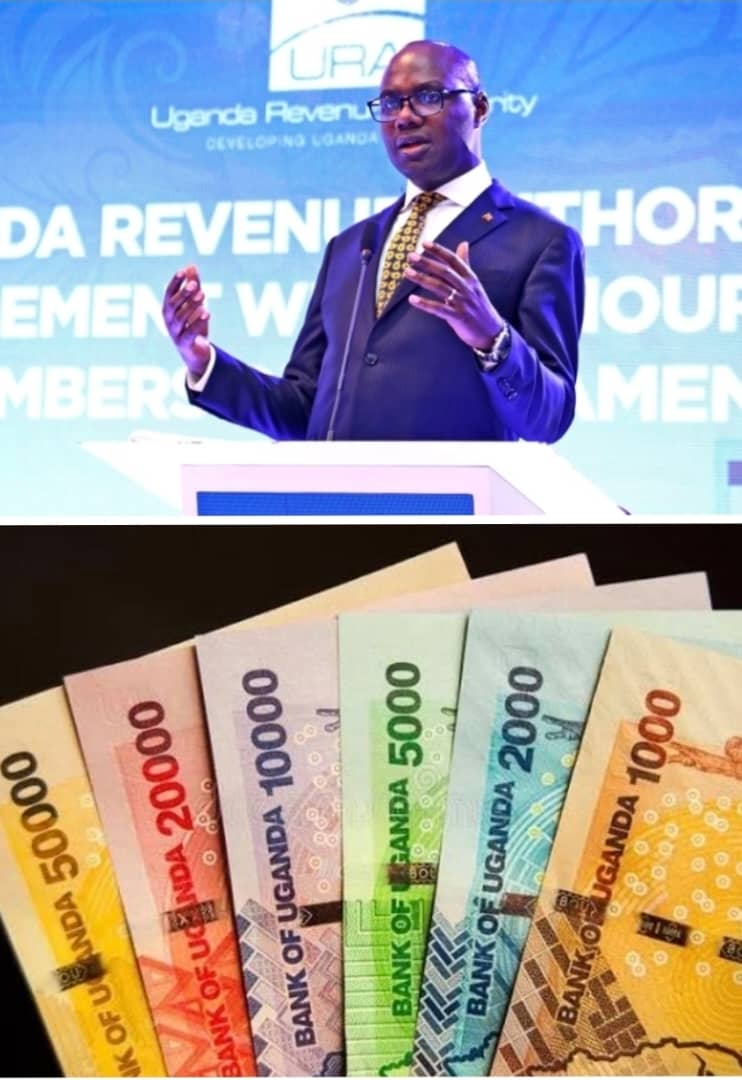
MUSASIZI TO UG PARLIAMENT: UGANDA’S ECONOMY GROWS TO Shs250 TRILLION, BUT SHILLING UNDER PRESSURE.
By Musa Rwamigoye .
Finance Minister Hon. Henry Musasizi has presented the Annual Budget Performance Report and the Macroeconomic and Fiscal Performance Report for FY2025/26 to Parliament’s Committee on Budget, chaired by Hon. Amos Kankunda.
In the reports, the Minister revealed that Uganda’s economy remained resilient and continued on a strong growth path despite global uncertainty and supply chain disruptions.
Economy Grows By 6.4%.
Uganda’s economy grew by 6.4% in FY2025/26, up from 6.3% in the previous financial year.
The size of the economy expanded to Shs 250.4 trillion (USD 69.3 billion), compared to Shs 227.9 trillion (USD 62 billion) in the previous year.
According to the Ministry of Finance, the growth was mainly supported by stronger aggregate demand, increased investment and export activity reflected by growth in the Agriculture, Industry and Services sectors.
What Drove The Growth?
Preliminary estimates from the Uganda Bureau of Statistics (UBOS) show:
- Services sector remained the largest contributor to GDP, accounting for 42.1%
- Agriculture, forestry and fishing* grew by 6.5%, driven by strong performance in food crops which grew by 4.9% and cash crops growing by 12.1%
- Industry grew by 6.4%, supported by gains in manufacturing, construction and electricity production
Positive Outlook Ahead.
The Ministry says the economic outlook remains positive, with real GDP growth projected at 7.6% in FY2026/27* and 9.1% in FY2027/28.
The positive performance has already continued into the first three months of FY2026/27, with the Purchasing Managers’ Index (PMI) averaging 54.5 and the Business Tendency Index (BTI) averaging 56.6.
Inflation also remained low and stable, averaging 3.3% in FY2025/26, down from 3.5% in FY2024/25, while the Ugandan shilling appreciated by 1.9% against the US dollar during that period.
Musasizi told the Committee that Government will continue to focus on agro-industrialisation, tourism, mineral-based development, and science, technology and innovation (ATMS) to sustain growth and move Uganda towards a USD 500 billion economy by 2040.
BUT SHILLING UNDER PRESSURE: Musasizi Explains Depreciation To Parliament.
However, on *October 27th, Musasizi delivered a statement to Parliament on the State of Uganda’s Economy, explaining the recent depreciation of the Uganda shilling and the measures Government and the Bank of Uganda are taking to stabilise it.
The Ugandan shilling has come under significant pressure, weakening from approximately Shs 3,604 per US dollar in March 2026 to around Shs 4,500 by late October 2026.
Why Is The Shilling Falling?
Musasizi said the underlying pressure arises from an imbalance between the demand for and supply of foreign exchange, particularly US dollars.
When demand for dollars to finance imports and meet other external obligations exceeds the supply generated by exports, investment and other foreign-exchange inflows, the price of the dollar rises.
He noted that the higher international petroleum costs have increased Uganda’s demand for foreign exchange, adding that geopolitical tensions in the Middle East have heightened uncertainty and pushed up petroleum-related costs, including shipping and insurance.
The demand for foreign exchange has increased across other sectors of the economy, adding that international financial conditions and market expectations have also contributed to the pressure.
He also noted that the declining global prices for key agricultural exports, particularly coffee and cocoa, and reduced tourism receipts have temporarily constrained Uganda’s foreign-exchange inflows.
How Government and Bank of Uganda Are Responding.
The Bank of Uganda has tightened monetary conditions, including raising the Central Bank Rate from 9.75 percent to 12 percent and increasing commercial banks’ *cash reserve requirement to 13.5 percent from 11 percent.
These measures are intended to moderate excessive demand, contain inflationary pressures and support confidence in the shilling.
The Bank of Uganda will continue to manage liquidity and, where necessary, intervene in the foreign-exchange market to address excessive volatility, consistent with its mandate.
Musasizi also stated that Uganda remains committed to a market-determined exchange rate which allows the economy to adjust to changes in external conditions.
Commenting about the international reserves, he stated that they provide an important buffer against external shocks and their prudent management is necessary to address disruptive market conditions while preserving the country’s capacity to meet external obligations.
On the fiscal side, Government is supporting monetary policy through expenditure restraint and careful prioritisation.
Key Messages From Musasizi.
1. Avoid panic buying: Let us avoid panic buying of foreign currency, speculative transactions driven by rumours and other behaviour that can amplify short-term pressure on the shilling. Remain calm, avoid panic-driven decisions.
2. Government will keep communicating: Government and the Bank of Uganda will continue to provide timely, factual communication to support informed decisions and confidence in the economy.
3. Fundamentals remain strong: Despite the current economic pressures, the fundamentals of our economy remain strong. Uganda’s economy continues to grow, supported by increased production, investment and exports.
4. Prudent response: Government and the Bank of Uganda are responding through prudent fiscal management and appropriate monetary policy.
5. Cut non-essential spending: Government will rationalise non-essential expenditure, including foreign and domestic travel, workshops, meetings and other administrative costs, while protecting critical public services and priority development investments.
6. Advice to households: Households should prioritise essential expenditure, conserve fuel and energy, and make informed purchasing decisions.
7. Advice to businesses:Businesses should eliminate waste, improve operational efficiency, source inputs locally where commercially viable, and expand production for export markets.



Leave a Comment
Your email address will not be published. Required fields are marked *