
 HON MINISTER LYDIA WANYOTO, HON. JAMES KABERUKA ENCOURAGE KAMPALA PARENTS TO TAKE LEARNERS TO KAMPALA STANDARD NURSERY AND PRIMARY SCHOOL KYANJA FOR HOLISTIC LEARNING EXPERIENCE.
 BOY FROM THE HILLS OF NYARUSHANJE NOW CHIEF JUSTICE: Zeija Thanks God, Museveni. H.E MUSEVENI TO KIGEZI: Education Must Go Hand In Hand With Wealth Creation.
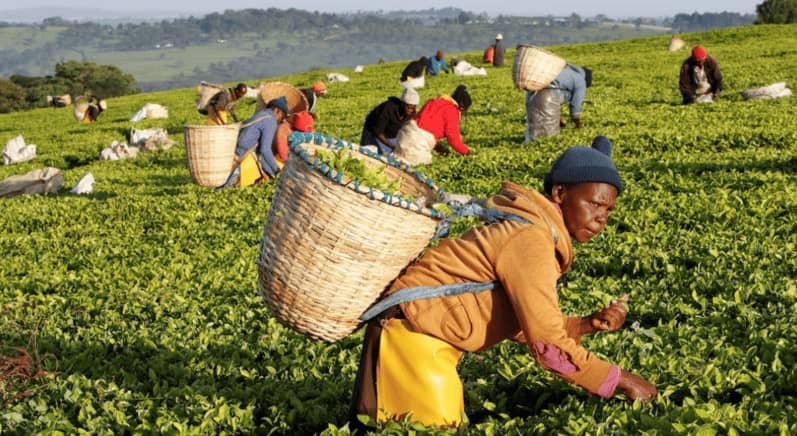 TEA FARMERS WIN BIG! GOVT RELEASES Shs 89BN TO RESCUE TEA SECTOR: AS HON. KARIISA KOY PUSHES TEA BILL FROM SEEDLING TO CUP
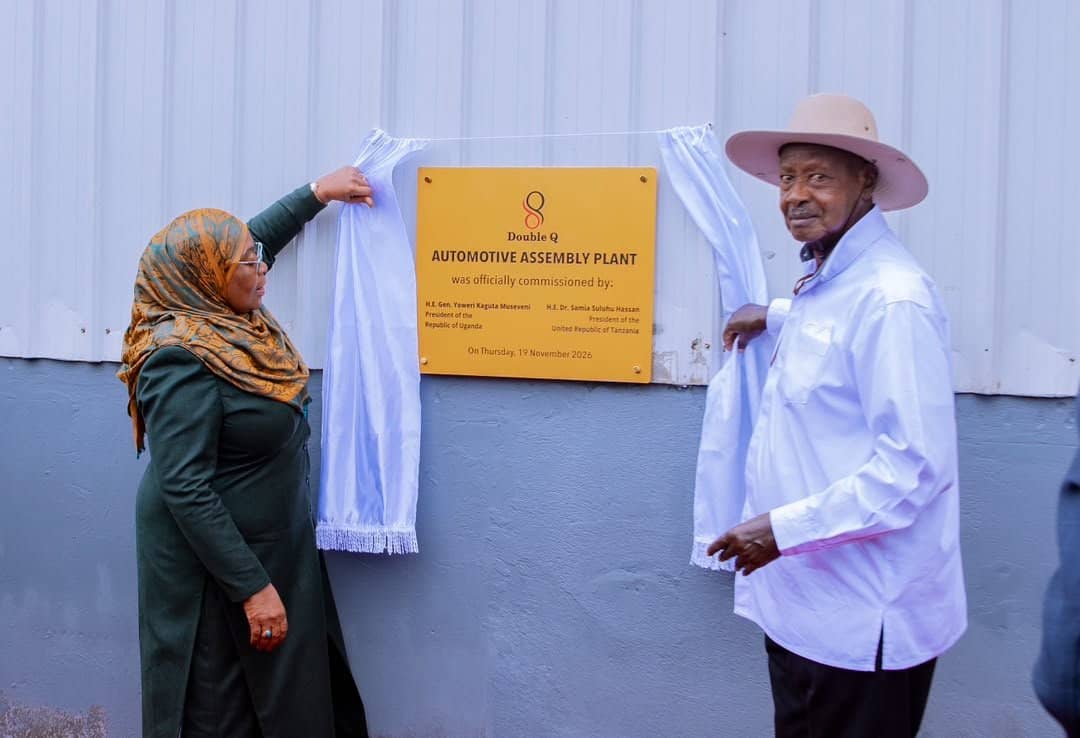 EAST AFRICA MUST COMPETE WITH THE WORLD, NOT ITSELF. H.E MUSEVENI & H.E SAMIA LAUNCH $30M TRUCK PLANT – UGANDA TO BUILD 4,000 TRUCKS A YEAR
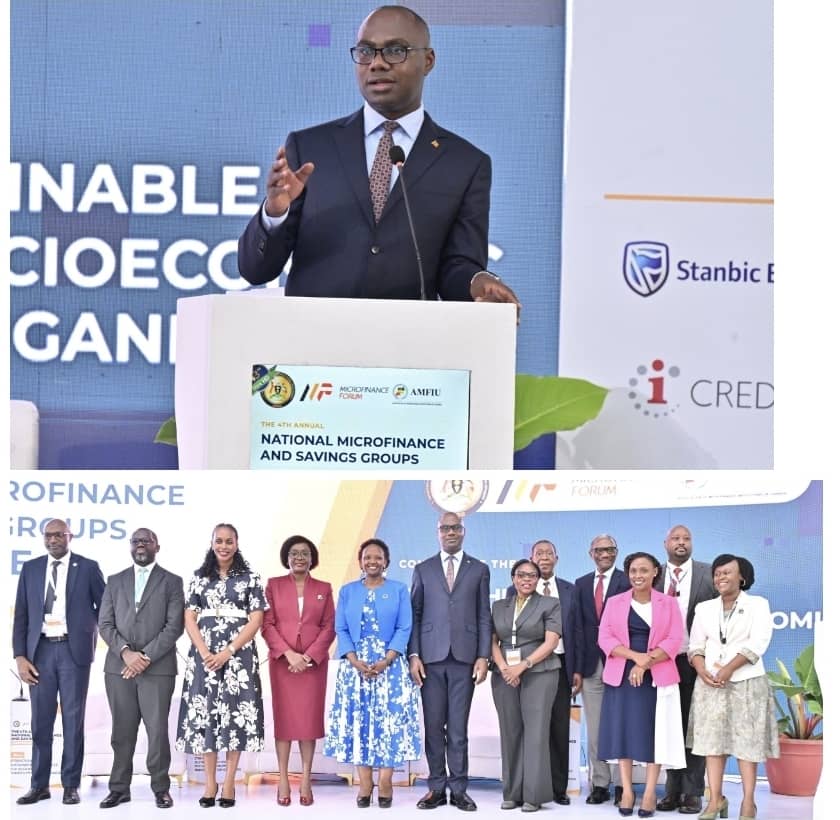 GOVT HAS PUT TRILLIONS IN YOUR HANDS, BUT MANY UGANDANS DON’T KNOW: MUSASIZI AND MUSHERURE TELL SACCOs TO SHOUT LOUDER.
TEA FARMERS WIN BIG! GOVT RELEASES Shs 89BN TO RESCUE TEA SECTOR: AS HON. KARIISA KOY PUSHES TEA BILL FROM SEEDLING TO CUP

By Musa Rwamigoye.
KAMPALA: The government has released Shs 89.2 billion to settle outstanding claims by tea nursery bed operators and committed Shs 80 billion towards a broader fertiliser subsidy programme, as it moves to address the crisis affecting Uganda’s tea sector.
However, a proposed Shs 152 billion working capital support package for struggling tea factories remains under consideration pending an independent assessment of their financial liabilities by the Auditor General.
The interventions are contained in a statement presented to Parliament by Finance Minister Henry Musasizi, who acknowledged that the tea industry is facing severe challenges arising from declining global tea prices, which have reduced earnings for farmers and pushed several factories into financial distress.
Musasizi said some tea factories had already ceased operations, while others were struggling to remain financially sustainable.
“Government is fully aware of, and deeply concerned about the sharp decline in global tea prices, which has adversely affected the prices of green leaf paid to farmers and the financial sustainability of tea factories,” Musasizi said.
WHY TEA PRICES FELL.
He attributed the decline in green leaf prices largely to reduced demand in key international markets, arising from geopolitical and economic crises.
The minister also cited declining soil fertility and limited application of fertilisers among Ugandan tea farmers, saying these factors had affected the quality of locally produced tea, making it less competitive and fetching lower prices than tea from other countries in the region.
4 DEMANDS FROM THE INDUSTRY.
The government’s response follows engagements between the Ministry of Finance and industry stakeholders, who proposed four interventions to revive the sector.
These include:
1. Settling claims by tea nursery bed operators for verified seedlings supplied under government programmes.
2. Establishing a Shs 46 billion fertiliser revolving fund.
3. Providing Shs 152 billion in working capital to tea factories.
4. Waiving outstanding tax liabilities
Shs 89.26BN ALREADY PAID.
Musasizi said government had so far paid Shs 89.26 billion to nursery bed operators.
Of this amount, Shs 68.82 billion was paid in fulfilment of a consent judgment in favour of nursery bed operators in the Kigezi sub-region, while Shs 20.44 billion covered tea seedlings supplied by farmers in Buhweju District.
He said the outstanding Shs 18.99 billion owed to Buhweju nursery bed operators would be settled under the government’s broader domestic arrears clearance strategy, beginning in the 2027/2028 financial year and continuing into the medium term.
The minister also said claims from Zombo District relating to tea seedlings that reportedly dried up in nursery beds had been referred to the Ministry of Agriculture, Animal Industry and Fisheries for verification.
Shs 80BN FOR FERTILISER.
On fertiliser support, Musasizi said government had provided Shs 80 billion to the Ministry of Agriculture in the 2025/2026 financial year under a broader fertiliser subsidy programme.
The funding was intended to facilitate the off-take of fertiliser from Intracom, which sources its products from manufacturing plants in Tanzania and Burundi, and Dei BioPharma Limited through its Magoola fertiliser production initiative.
Each company received Shs 40 billion, with the minister saying the funds would be retained in subsequent national budgets.
Shs 152BN FOR FACTORIES STILL PENDING.
However, the proposed Shs 152 billion working capital support to tea factories is yet to be approved.
Musasizi said government was in principle willing to support the industry but wanted an independent assessment of the outstanding liabilities incurred by the factories before committing public resources.
“The Government is in principle open to offering support to the Tea industry but would like to undertake an independent assessment of the extent of the outstanding liabilities incurred by the Tea factories,” he said.
The Auditor General is currently undertaking a verification exercise focusing on the governance structures of the factories, outstanding tax obligations, loans from financial institutions, statutory obligations and claims by suppliers and other creditors.
The exercise is yet to be concluded.
Shs 39.3BN IN TAX ARREARS.
The Uganda Revenue Authority (URA) had, as of May 31, 2026, reported that tea factories had accumulated domestic tax liabilities amounting to Shs 39.329 billion.
Musasizi said his ministry had asked the URA Commissioner General to review the circumstances surrounding the outstanding tax liabilities and advise government in accordance with Section 43 of the Tax Procedures Code Act.
He said the ministry was still awaiting feedback from URA.
“Upon conclusion of the verification exercise by the Auditor General, Government will consider the findings and recommendations,” Musasizi said.
HON. KARIISA PRESSED GOVERNMENT IN AUGUST.
The tea sector crisis was raised in Parliament on October 7, 2026, by Igara West MP Amanya Cohen Kyampene, who presented a matter of national importance concerning the collapse of the industry and the low prices of green leaf paid to farmers.
But the pressure on government had started earlier.
During a parliamentary sitting in August 2026, Kariisa asked the Prime Minister for an update on an April presidential directive regarding support for tea factories and payment to tea nursery suppliers.
Kariisa demanded clear timelines for:
- When nursery operators would be paid
- When tea factories would receive funds to revamp operations
- When fertilisers would be supplied for tea
It was that sustained parliamentary pressure that forced government to come back to Parliament with the Shs 89.2bn and Shs 80bn interventions.
HON. KARIISA SECONDS NATIONAL TEA BILL — “FROM SEEDLING TO CUP”.
During the October 28, 2026 plenary sitting, Kariisa seconded a motion granting Igara West MP Cohen Amanya leave to introduce a Private Member’s Bill the National Tea Bill to establish a legal framework for the sector.
Kariisa noted that fragmented regulations and lack of a legal framework affect quality, stating the bill aims to improve tea standards “from the seedling to the cup” to fetch better local and international prices.
The Bill, if passed, is expected to:
- Create a clear legal framework for tea growing, processing and marketing
- Set quality standards for seedlings, green leaf and processed tea
- Protect farmers from exploitation
- Make Ugandan tea more competitive in regional and international markets
Parliament granted Amanya leave to prepare the Bill, marking a major step towards a permanent solution beyond one-off bailouts.
The government’s latest intervention comes amid concerns over the financial sustainability of tea factories and declining incomes among farmers who depend on the crop for their livelihoods.


Leave a Comment
Your email address will not be published. Required fields are marked *