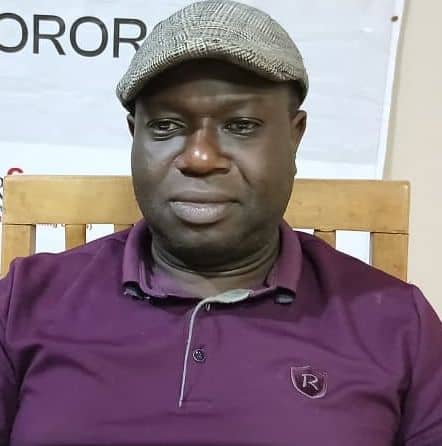
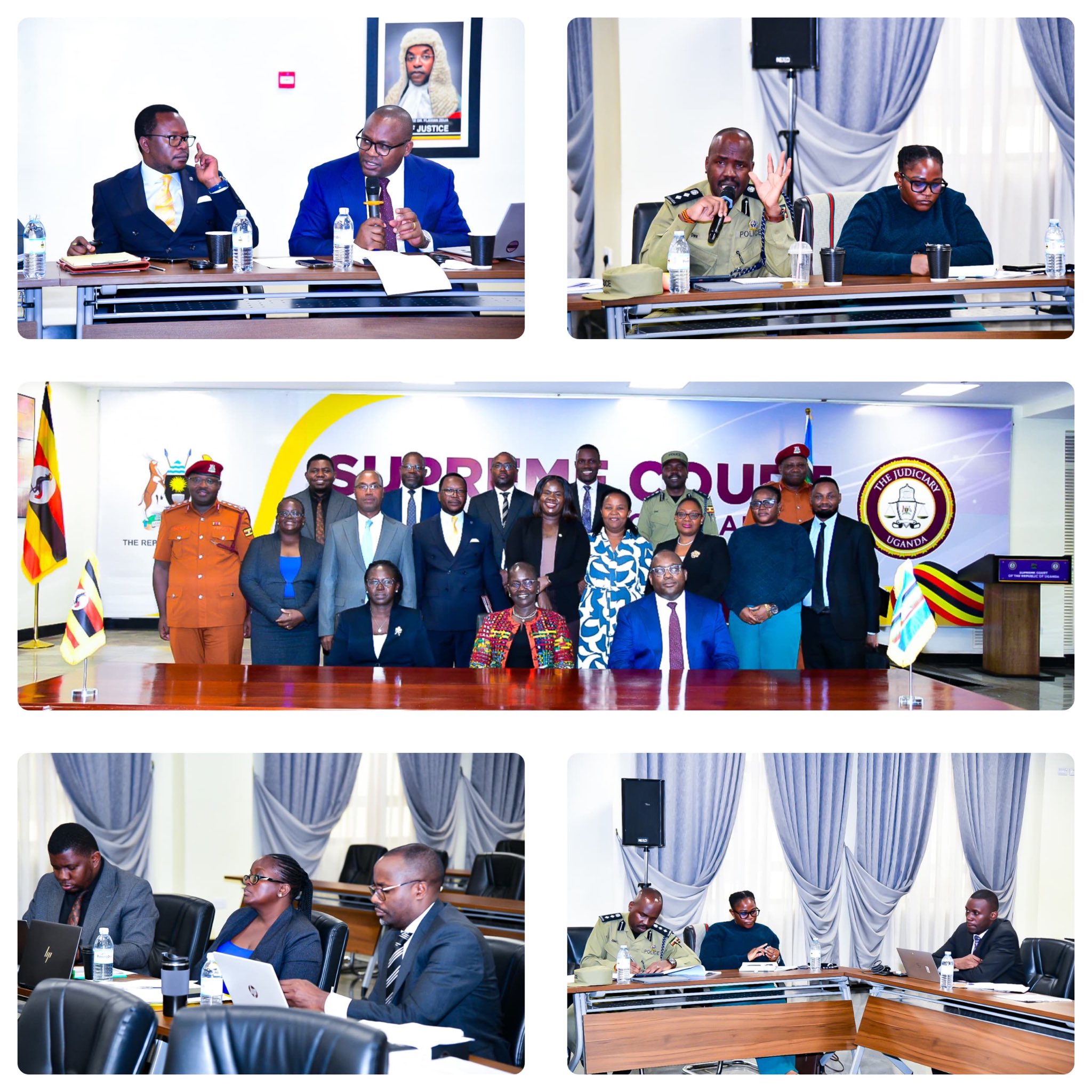
 DR PIUS BIGIRIMANA AND JUDICIARY LEADERSHIP DESERVES DISTINCTION FOR TRANSFORMATIONAL REFORMS, SAYS ONC RESEARCH OFFICER BEN SSEBUGUZI
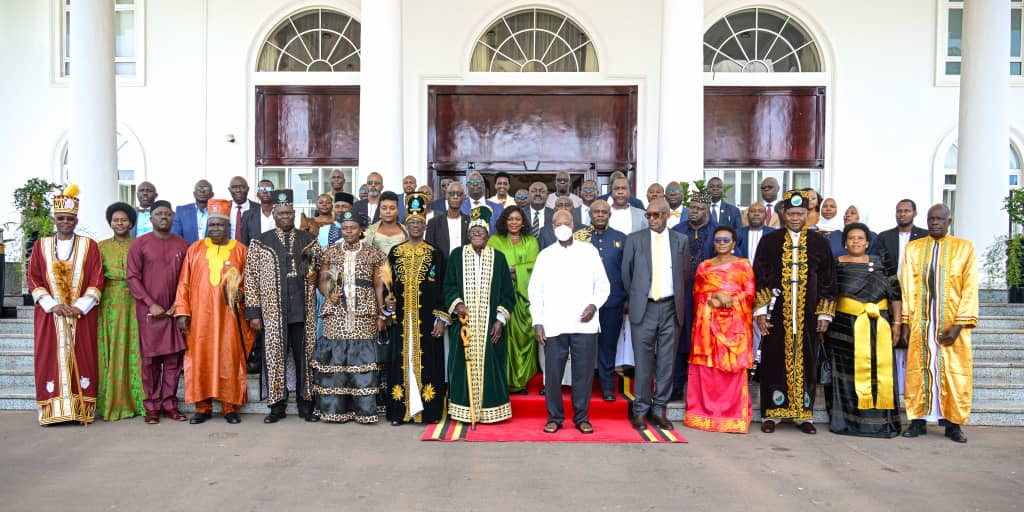 H.E Museveni to Cultural Leaders: Preserve Heritage, Create Wealth, Unite Africa. “You Are Strategic Partners, Not Custodians of Rituals”
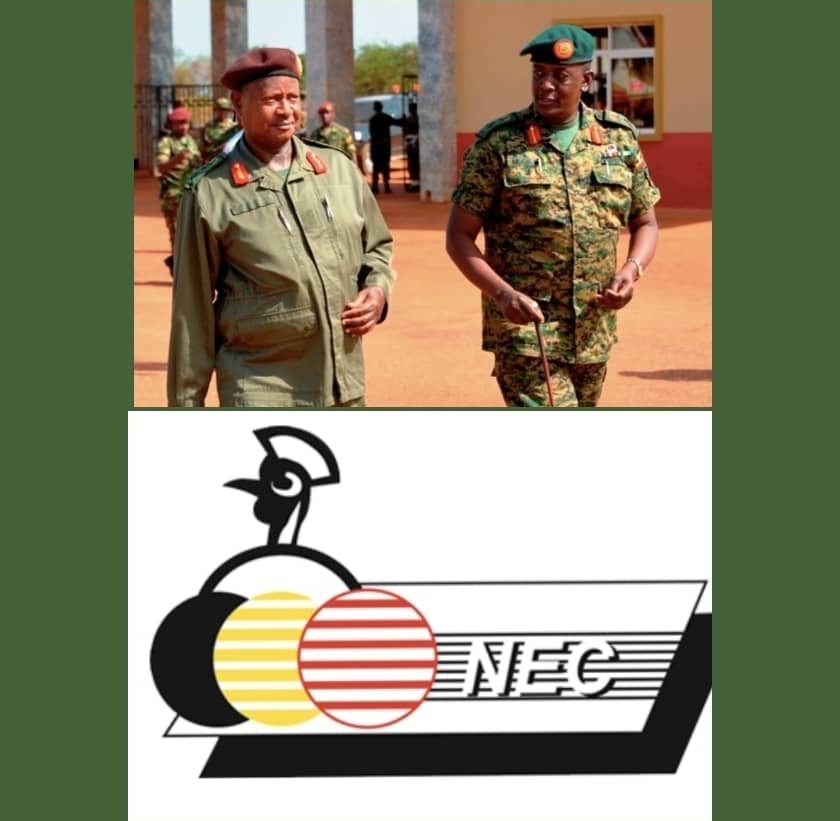 From a Quiet 1989 Venture to East Africa’s Super Empire: How Lt. Gen. Mugira Turned NEC into Uganda’s Multipurpose Business Giant.
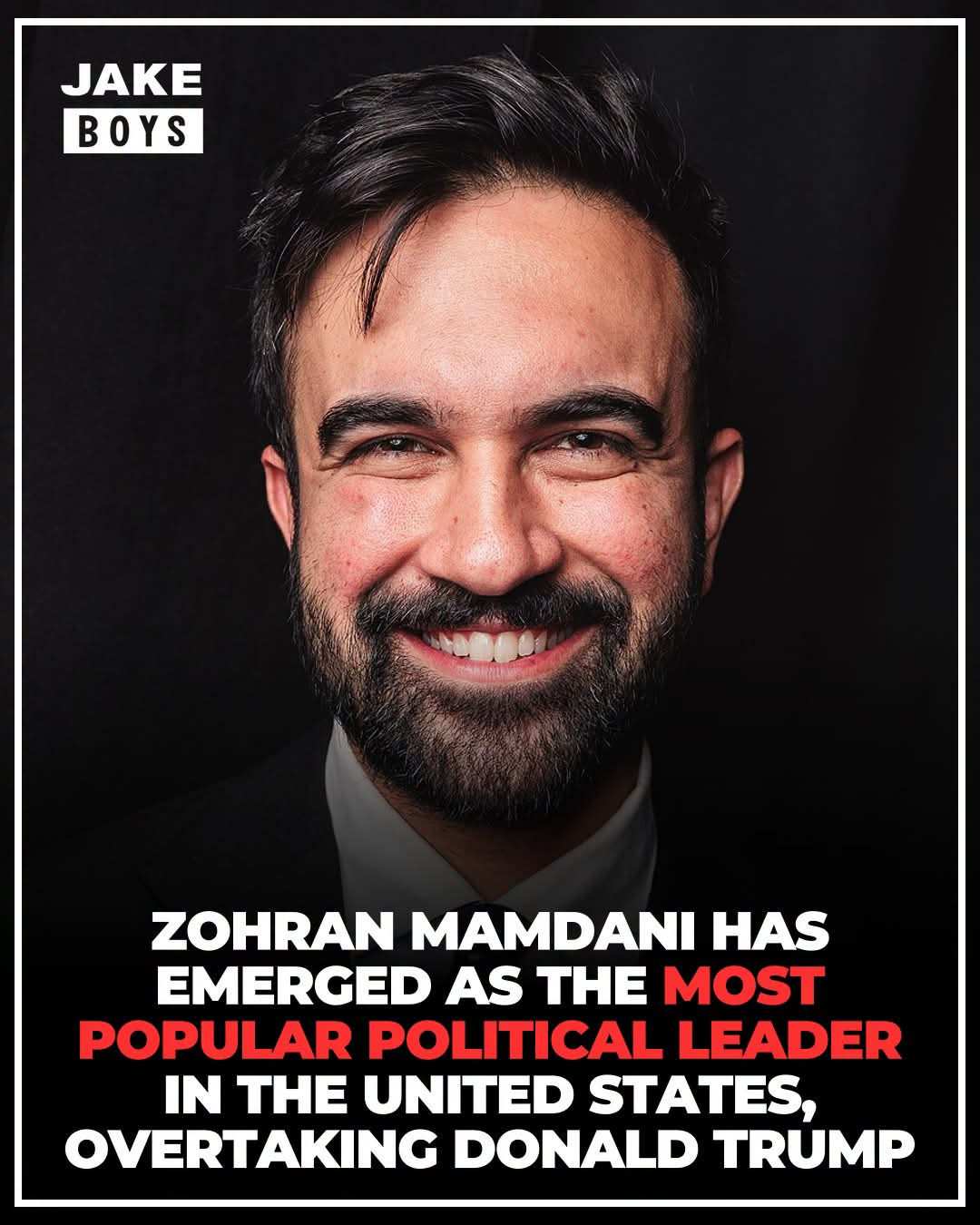 Zohran Mamdani Has Emerged As The Most Popular Political Leader In The United States
 HOW ASAN KASINGYE LOST HUNDREDS OF MILLIONS IN A FAILED LORRY BUSINESS
H.E Museveni to Cultural Leaders: Preserve Heritage, Create Wealth, Unite Africa. “You Are Strategic Partners, Not Custodians of Rituals”

By Musa Rwamigoye.
President Yoweri Kaguta Museveni has challenged traditional and cultural leaders to assume a more proactive and historic role in the preservation of Africa’s heritage, the promotion of continental unity, and the transformation of communities through wealth creation.
The President noted that cultural institutions are not mere custodians of customs and rituals, but strategic partners in the socio-economic transformation agenda. He emphasized that Africa’s heritage must be preserved not as a museum artifact, but as a living force that inspires dignity, identity, and Pan-African solidarity.
Furthermore, President Museveni underscored that true preservation of culture is meaningless if the people remain trapped in poverty. He therefore called upon Their Majesties and all cultural leaders to champion the message of wealth creation at the household level, to mobilize their subjects for production, and to complement government efforts in eradicating poverty and building a self-sustaining economy.
He reaffirmed that when cultural leadership aligns with the principles of patriotism, Pan-Africanism and socio-economic transformation, our cultural institutions will remain relevant, respected, and central to Uganda’s journey to modernity.
President Yoweri Kaguta Museveni has underscored the critical responsibility of cultural institutions in safeguarding Africa’s historical identity, indigenous knowledge systems, languages, traditional skills, and cultural practices, many of which were systematically undermined by colonialism and its aftermath.
The President made the remarks today while officially opening the first day of a two-day Cultural Leaders Conference at State House, Entebbe.
He noted that colonialism did not only subjugate Africa politically and economically, but also launched a deliberate assault on African identity, seeking to erase indigenous knowledge and portray African heritage as backward. It is therefore the historic duty of cultural leaders to reverse that distortion, to restore pride in African civilization, and to ensure that our languages, values, and traditional skills are preserved, documented, and transmitted to future generations.
President Museveni emphasized that a nation that loses its culture loses its soul, and that without a firm cultural foundation, socio-economic transformation cannot be sustainable.
President Yoweri Kaguta Museveni has said that Africa’s shared history, common cultural heritage and deep linguistic connections should serve as a solid foundation for strengthening cooperation, accelerating economic integration and consolidating unity among African countries.
The President made the remarks while addressing the Cultural Leaders Conference at State House, Entebbe.
Quoting the Holy Scriptures in Matthew 19:6, _”Therefore what God has joined together, let no man put asunder,”_ President Museveni urged Africans to rise above artificial divisions imposed by colonialism and to recognize their common heritage, shared destiny and collective interests.
He noted that Africa is one people, bound by blood, culture and history, and that balkanization into small, unviable states has been the greatest impediment to Africa’s transformation. The President therefore called upon cultural leaders to become champions of Pan-African unity, preaching oneness among their subjects and supporting the broader continental agenda for integration, prosperity and strategic security.
President Yoweri Kaguta Museveni has emphasized that cultural institutions should complement, rather than compete with, elected government structures, noting that each institution has a distinct and constitutionally defined mandate.
According to the President, cultural leaders should concentrate on their core responsibilities of preserving cultural heritage, promoting indigenous knowledge systems, and providing moral and cultural guidance to their communities, while leaving matters of legislation, public administration, and formal governance to the respective constitutional organs.
He cautioned against the politicization of cultural institutions, stressing that their relevance and reverence depend on remaining above partisan politics and staying firmly rooted in their traditional roles of cultural preservation, community guidance, and fostering social cohesion.
President Museveni further identified the preservation and promotion of indigenous knowledge as one of the most profound and enduring contributions cultural institutions can make to national development, adding that Africa’s traditional wisdom in medicine, agriculture, craftsmanship, and environmental conservation remains an untapped resource for socio-economic transformation.
President Yoweri Kaguta Museveni has cited Africa’s rich reservoir of traditional expertise in agriculture, livestock keeping, fishing, blacksmithing, carpentry, leather tanning, pottery and other forms of indigenous craftsmanship, emphasizing that such invaluable knowledge must be systematically documented, preserved, and transferred to younger generations.
He urged cultural leaders to champion indigenous food systems, including traditional crops and indigenous livestock breeds, as a strategic intervention to strengthen food security, enhance household incomes, and build economic resilience at the grassroots.
The President further reiterated that Africa’s development must be guided by what he described as the five historical missions of the African people: liberation from colonialism, democracy, economic prosperity, strategic security, and African unity.
He explained that political independence alone is insufficient without economic independence, noting that true sovereignty requires nations to produce goods and services, add value to their resources, and access bigger markets through regional integration and Pan-African cooperation.
President Museveni therefore challenged cultural leaders to align their institutions with these historical missions and become catalysts for mindset change, productivity, and transformation within their communities.
In this regard, President Museveni highlighted regional integration through the East African Community (EAC), the Common Market for Eastern and Southern Africa (COMESA) and the African Continental Free Trade Area (AfCFTA) as critical frameworks for expanding markets, boosting intra-African trade and creating sustainable opportunities for producers.
He further underscored the imperative of stronger strategic security and deeper East African integration, arguing that the region’s shared history, deep cultural affinities and common economic interests provide a firm and organic foundation for closer cooperation and eventual political federation.
Cultural Leaders Propose Strategic Development Partnerships with Government.
In their joint presentation, cultural leaders called for a strengthened and institutionalized collaboration with Government to harness Uganda’s rich cultural diversity as a strategic resource for social and economic transformation.
Through their representative, the leaders described traditional kingdoms, chiefdoms and community-based cultural institutions as indispensable pillars for preserving national identity, inculcating moral values, strengthening social cohesion and advancing reconciliation and lasting peace.
They proposed structured joint programmes with Government in key priority areas including wealth creation, agricultural transformation, community industrialization, tourism development, cultural preservation, women’s economic empowerment and youth skills development.
Under the proposed wealth creation initiative, cultural institutions offered to avail land for the establishment of model agricultural farms that would serve as centres of excellence for practical training, agricultural innovation, technology transfer, food production and agribusiness development.
They appealed to Government to support the initiative with improved seeds, improved livestock breeds, irrigation infrastructure, agricultural machinery, extension services and technical expertise.
The leaders further proposed the establishment of small- and medium-scale production facilities within cultural communities to accelerate agro-processing, food manufacturing, textiles, crafts, leather processing and other value-addition enterprises aimed at job creation and household income growth.
On cultural preservation and tourism, the leaders proposed the establishment of a National Digital Cultural Park to showcase Uganda’s kingdoms, traditional governance systems, historical sites, cultural artefacts, indigenous knowledge, music, dance, traditional cuisine and other cultural expressions.
They further called for strategic partnerships to develop and package cultural tourism destinations around royal palaces, historical sites and traditional burial grounds.
The cultural institutions also announced plans to organize the Uganda National Cultural Festival in collaboration with the Ministry of Gender, Labour and Social Development. The proposed festival is expected to convene cultural institutions, artists, local communities, tourism stakeholders, the youth and the private sector to celebrate Uganda’s diversity, foster national unity and stimulate cultural tourism.
Other proposals included strengthening women’s economic empowerment through enterprise development, cooperative formation, vocational skilling and enhanced access to financial services, as well as expanding community-based skills development and employment opportunities for the youth.
The leaders called for a clear and predictable framework of engagement, regular dialogue and mutual respect between Government and cultural institutions to enable their effective participation in national development programmes.
They highlighted persistent challenges affecting cultural institutions, including inadequate staffing, limited infrastructure, funding constraints and low public awareness, and appealed for Government support to strengthen the Forum of Cultural Institutions as a coordination mechanism for all cultural institutions across the country.
The Minister of Gender, Labour and Social Development, Gen. Henry Tumukunde, urged cultural leaders to work closely with Government in addressing pressing social challenges affecting communities.
He cited gender-based violence, harmful cultural practices, child marriage, teenage pregnancy, poverty, unemployment and discrimination against persons with disabilities as issues demanding collective and culturally-rooted action.
The Minister further drew attention to the immense economic potential of Uganda’s creative and cultural industries, commonly referred to as the Orange Economy, encompassing music, film, performing arts, fashion, crafts, cultural tourism, publishing, design and digital creativity. He noted that the sector presents vast opportunities for employment creation, enterprise development and inclusive economic growth.
The two-day high-level conference, convened at State House Entebbe, brought together traditional and cultural leaders representing kingdoms, chiefdoms and cultural institutions from across Uganda to deliberate on cultural preservation, indigenous knowledge, social transformation and the strategic role of traditional institutions in Uganda’s national development agenda.
Related Post

Leave a Comment
Your email address will not be published. Required fields are marked *