
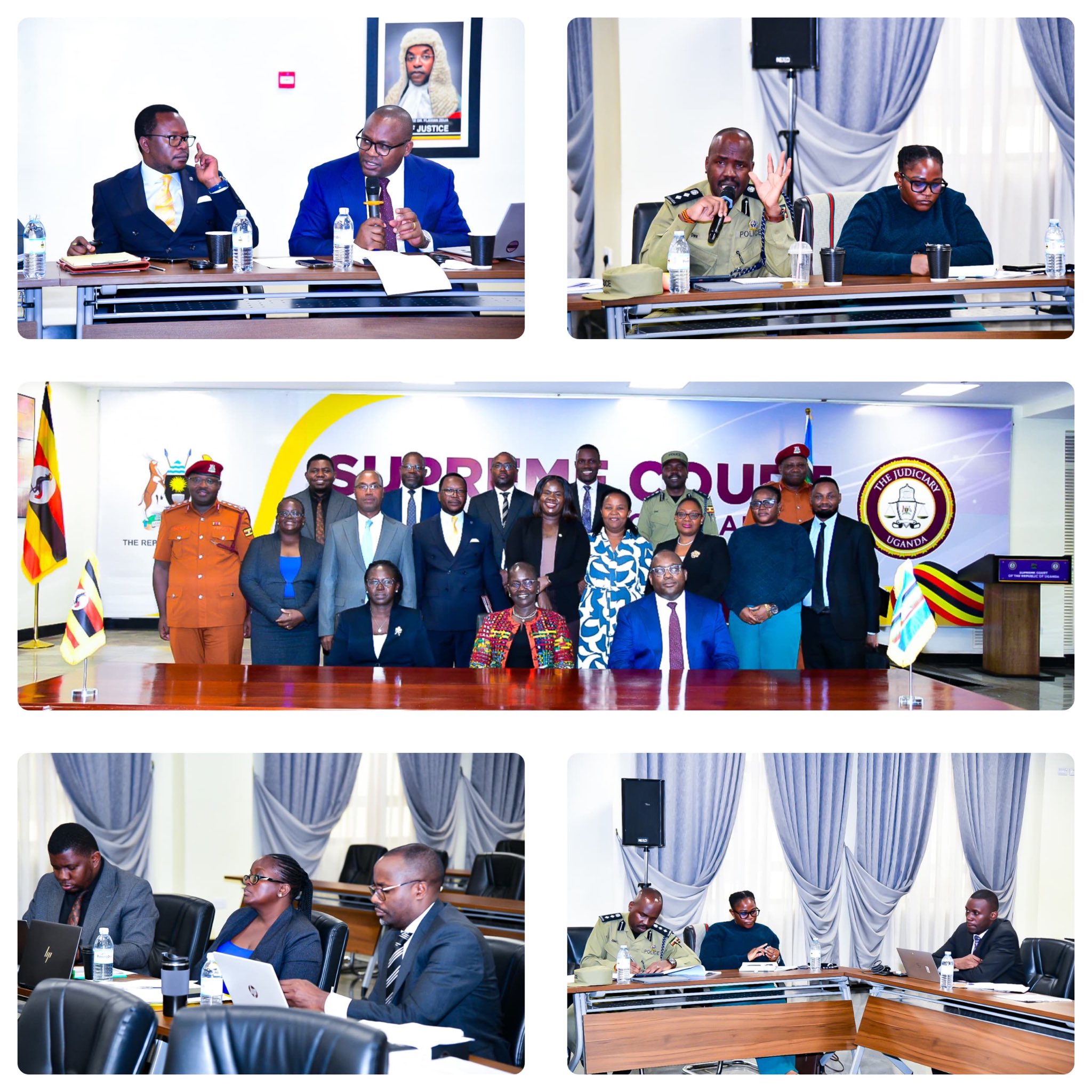
 DR PIUS BIGIRIMANA AND JUDICIARY LEADERSHIP DESERVES DISTINCTION FOR TRANSFORMATIONAL REFORMS, SAYS ONC RESEARCH OFFICER BEN SSEBUGUZI
 H.E Museveni to Cultural Leaders: Preserve Heritage, Create Wealth, Unite Africa. “You Are Strategic Partners, Not Custodians of Rituals”
 From a Quiet 1989 Venture to East Africa’s Super Empire: How Lt. Gen. Mugira Turned NEC into Uganda’s Multipurpose Business Giant.
 Zohran Mamdani Has Emerged As The Most Popular Political Leader In The United States
 HOW ASAN KASINGYE LOST HUNDREDS OF MILLIONS IN A FAILED LORRY BUSINESS
DR PIUS BIGIRIMANA AND JUDICIARY LEADERSHIP DESERVES DISTINCTION FOR TRANSFORMATIONAL REFORMS, SAYS ONC RESEARCH OFFICER BEN SSEBUGUZI

By Ben Ssebuguzi
I have read in the media that the Public Service is undertaking fresh performance reviews and vetting of Permanent Secretaries across the country. In my view, Dr. Pius Bigirimana is not just a leader, but a revolutionist and a patriot who has transformed the Judiciary of Uganda to serve ordinary people effectively. President Yoweri Kaguta Museveni is rightly impressed with Dr. Bigirimana's performance, and he deserves immense praise for his foresight in appointing such a capable public servant to steer this critical technical leadership.
Dr. Pius Bigirimana was in April 2026 recognized by Public Opinions with the prestigious Responsible Investment Global Award as the Uganda Judicial Reforms Champion for his remarkable work in reforming the judicial system. His ongoing work at the Judiciary remains exceptionally impressive and continues to set a high standard for public administration.
Additionally, due to his visionary style of leadership and management, the Judiciary of Uganda was last week recognized by Public Opinions after making it onto the list of the Best 12 public institutions in Uganda. Out of over 100 government agencies evaluated, only 12 public institutions reached the rigorous 80% performance mark. The Judiciary was specifically named the Uganda Human Rights Champion after being nominated by Ugandans for serving them with patriotism and diligence under the technical leadership of Dr. Pius Bigirimana.
Because of Dr. Pius Bigirimana's leadership, the Judiciary logo was featured among the Public Opinions Uganda Best 12 government institutions, for which over 500,000 awareness posters are set to be disseminated countrywide to inform the public about the best-performing government bodies in Uganda.
Public Opinions deserves immense praise and commendation for its tireless efforts in creating public awareness regarding the various achievements of President Yoweri Kaguta Museveni and for recognizing top-performing public entities.
Against this background, if I were assessing public sector leadership, I would award the Judiciary's leadership a distinction for the various reforms, innovations, and initiatives that have significantly contributed to improving service delivery in the administration of justice.
First, the innovative branding of the Judiciary's perimeter wall demonstrates great creativity and innovation. It reflects leadership's recognition of the importance of communicating the institution's mission, vision, and commitment to promoting the rights of Ugandans. This initiative transforms previously underutilized space into a vibrant platform for public awareness and civic education, proving to be a commendable way of creating real value for the public.
Second, one of the first things visitors notice when they enter Judiciary premises is the clean and well-organized environment. This reflects the deep dedication of Judiciary staff at all levels, from cleaning personnel to senior management. While some employees attend critical boardroom meetings, others are actively engaged in attending to court users and carrying out their respective responsibilities, demonstrating an essential commitment to effective service delivery.
Third, the Judiciary demonstrates a commendable customer service culture characterized by courtesy, effective communication, and a positive attitude toward the public. From the entrance gate to the courtrooms, staff play an important role in shaping the public's perception of the institution. A welcoming and professional environment promotes public confidence and makes access to justice a far more dignified experience.
Fourth, the promotion of a justice system that embraces African values and practices, including mediation, plea bargaining, reconciliation, and restorative justice, has contributed immensely to resolving disputes amicably. These approaches encourage reconciliation, preserve relationships, and restore harmony between disputing parties rather than unnecessarily deepening divisions, while simultaneously contributing to reducing case backlogs and making justice more accessible.
Fifth, the introduction of the Electronic Court Case Management Information System represents an important step toward modernizing the administration of justice. The system facilitates electronic court filing, improves record management, and provides a more transparent and efficient way of tracking cases throughout the judicial process. By reducing unnecessary physical interactions, technology also helps minimize opportunities for corruption and promotes institutional accountability. The reported increase in court filings by 20.6% and the improvement in the average case completion rate by 175% clearly demonstrate the profound impact of these technological reforms.
Sixth, the strengthening of the Small Claims Procedure has provided an accessible and relatively affordable avenue through which individuals and small businesses can resolve commercial disputes. This is particularly important for small-scale entrepreneurs who may otherwise struggle to access formal justice because of the associated costs and delays. By facilitating the swift resolution of commercial disputes, the procedure actively supports business confidence and national economic growth.
Seventh, the reported increase in the number of magisterial areas from 82 to 157 is a significant development in expanding access to justice across the country. This expansion brings judicial services much closer to the people, reduces geographical barriers, and ensures that more Ugandans can access justice without traveling long distances.
Eighth, special court sessions have become increasingly significant in promoting public access to justice. The proceedings following the tragic incident involving children at the Ggaba Early Childhood Development Centre in Makindye Division, in which Christopher Okello Onyum was convicted,demonstrate the importance of bringing judicial proceedings closer to the public. Such sessions promote transparency, public awareness, and overall confidence in the administration of justice.
Ninth, the strengthening of the Inspectorate of Courts through initiatives such as toll-free reporting channels and the installation of enhanced surveillance systems within court premises demonstrates a firm commitment to fighting corruption and promoting accountability. These measures provide practical avenues through which members of the public can report misconduct while strengthening institutional oversight and discipline.
Tenth, the development of modern judicial infrastructure, including the new Supreme Court and Court of Appeal buildings in Kampala alongside the construction and improvement of regional court facilities, demonstrates a clear commitment to strengthening the institutional capacity of the Judiciary. Such investments provide a more conducive working environment for judicial officers and staff while improving the experience of court users and supporting the effective administration of justice.
In conclusion, we take this opportunity to recognize and deeply appreciate Dr. Pius Bigirimana, the Accounting Officer of the Judiciary, for his immense contribution to the various reforms, innovations, and initiatives aimed at transforming the institution and improving service delivery. These efforts have rightfully attracted public recognition, including the reported honor by Public Opinions through its prestigious 2026 Responsible Investment Global Award.
We strongly encourage the continued recognition and retention of hardworking, innovative, and accountable public servants who are committed to delivering value to Ugandans and ensuring that taxpayers' resources translate into tangible improvements in public service delivery. Uganda needs public servants who embrace innovation, accountability, efficiency, and a private-sector approach to institutional management while remaining firmly committed to serving the interests of ordinary citizens.
Long live General Yoweri Kaguta Museveni!
Long live Hajjat Hadijah Namyalo, Senior Presidential Advisor, Personal Assistant, and Manager of the Office of the National Chairman of the NRM! We extend our sincere appreciation to Hajjat for her continued advocacy for effective service delivery and improved public sector performance.
The Author is The Senior Research Officer, Office of the NRM National Chairman.


Leave a Comment
Your email address will not be published. Required fields are marked *