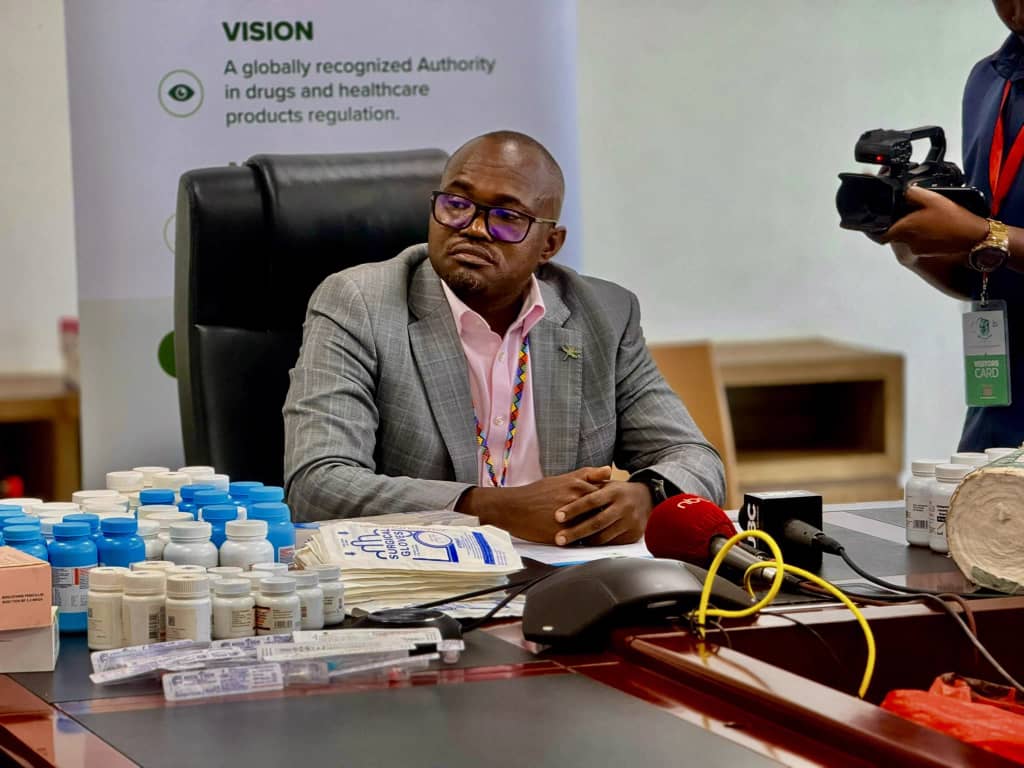
 SHS296M GONE? NDA Spokesman Abiaz Rwamwiri, Faces Court Over Fake Accountabilities.
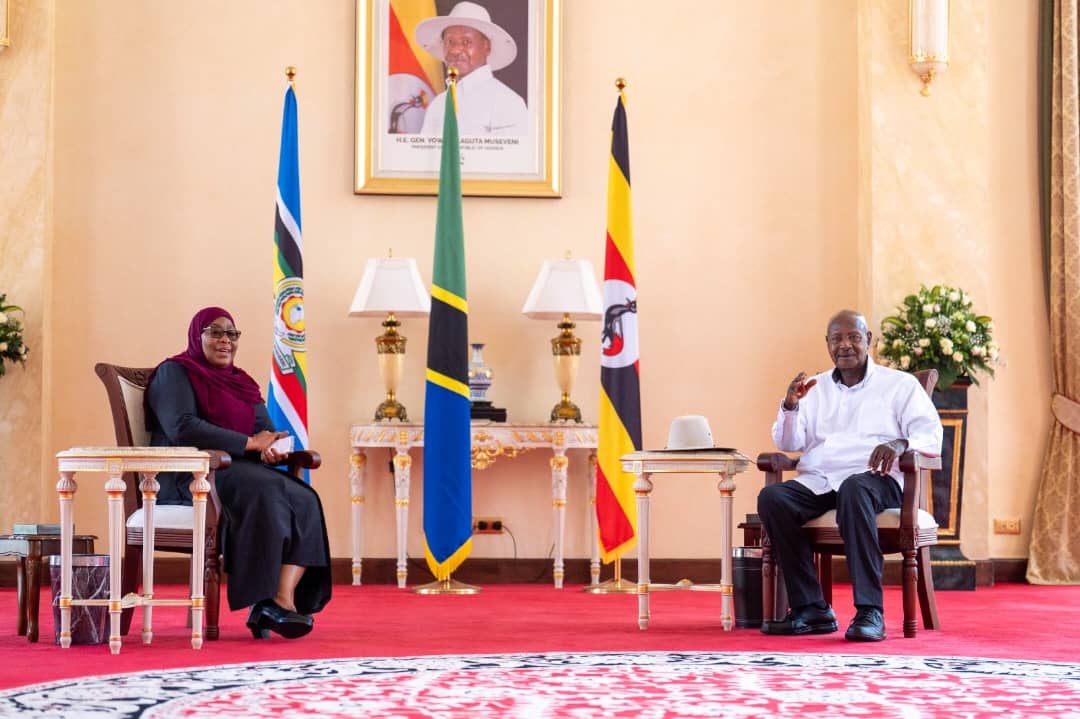 H.E MUSEVENI AND H.E SAMIA SEAL THE OIL DEAL: EACOP 93.9% DONE, SGR NEXT
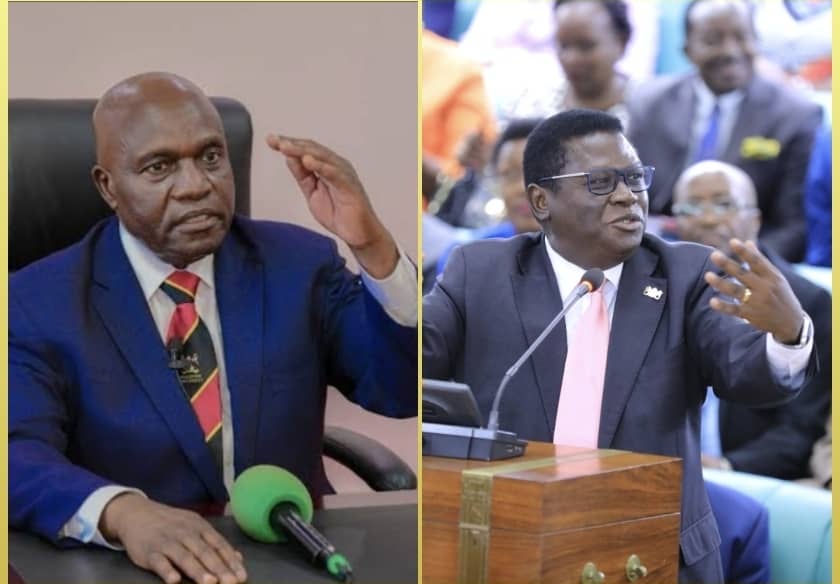 MAO TO MWENDA: You Cannot Beat People In Basements And Call It Transformation. Dr. KIYONGA Backs Him In Parliament.
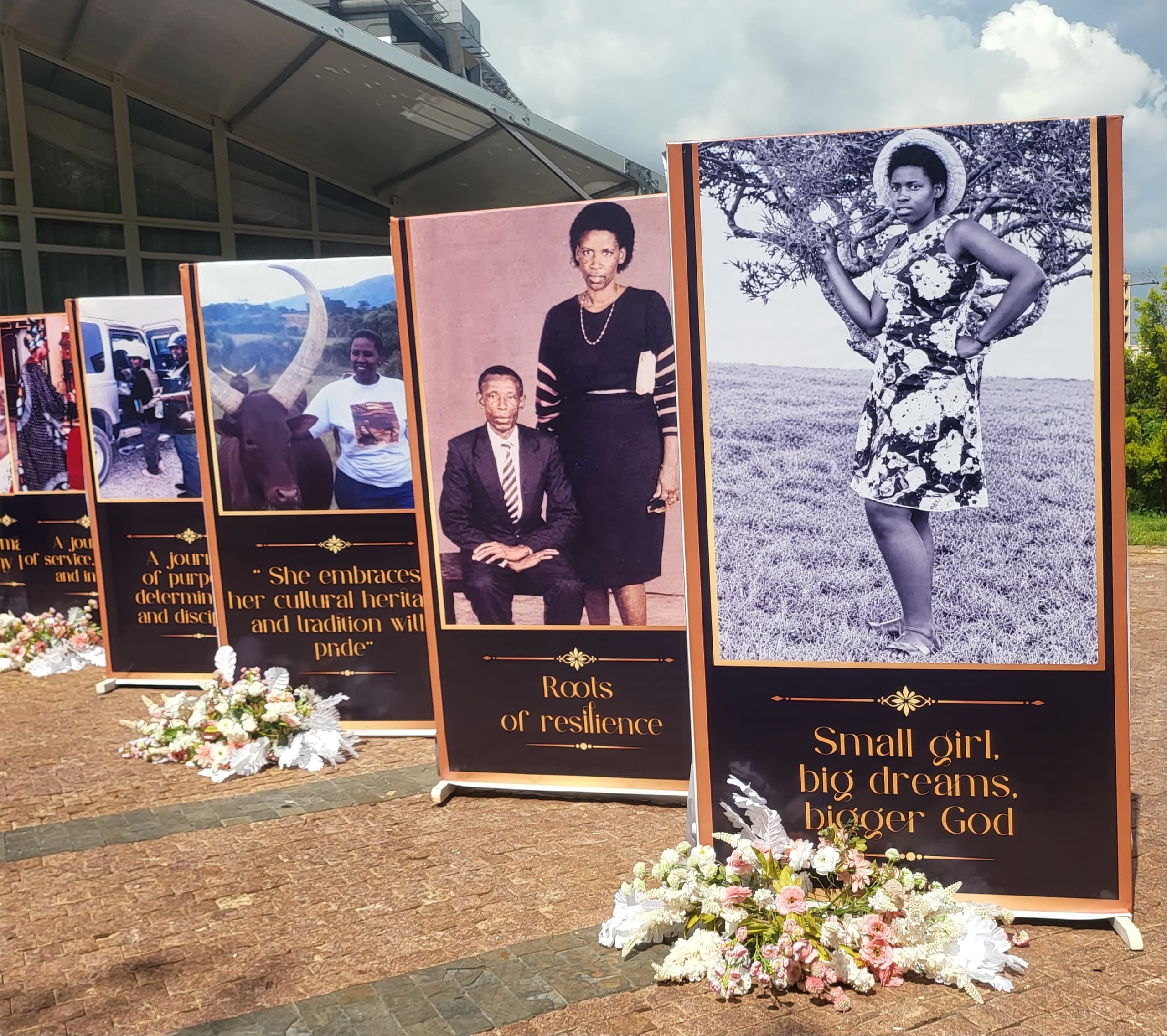 Dr. KELLEN KAYONGA: The Woman Who Needs No Title To Lead- Honoured At Glamorous Serena Dinner.
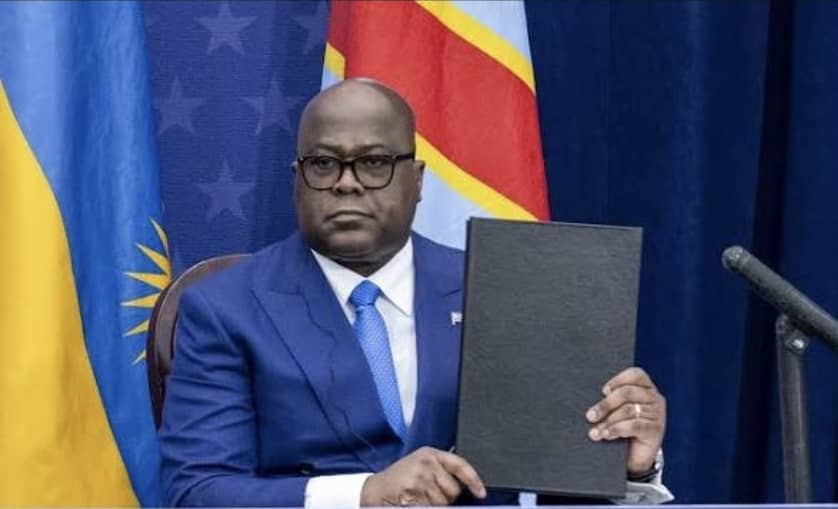 10 YEARS IN JAIL FOR RIGGING ELECTIONS: Who Will Punish The Powerful? Tshisekedi’s New Referendum Law Explained.
NO MORE OFFICE LEADERSHIP: New Women’s Council Told To Go To The Ground And Deliver
By Musa Rwamigoye.
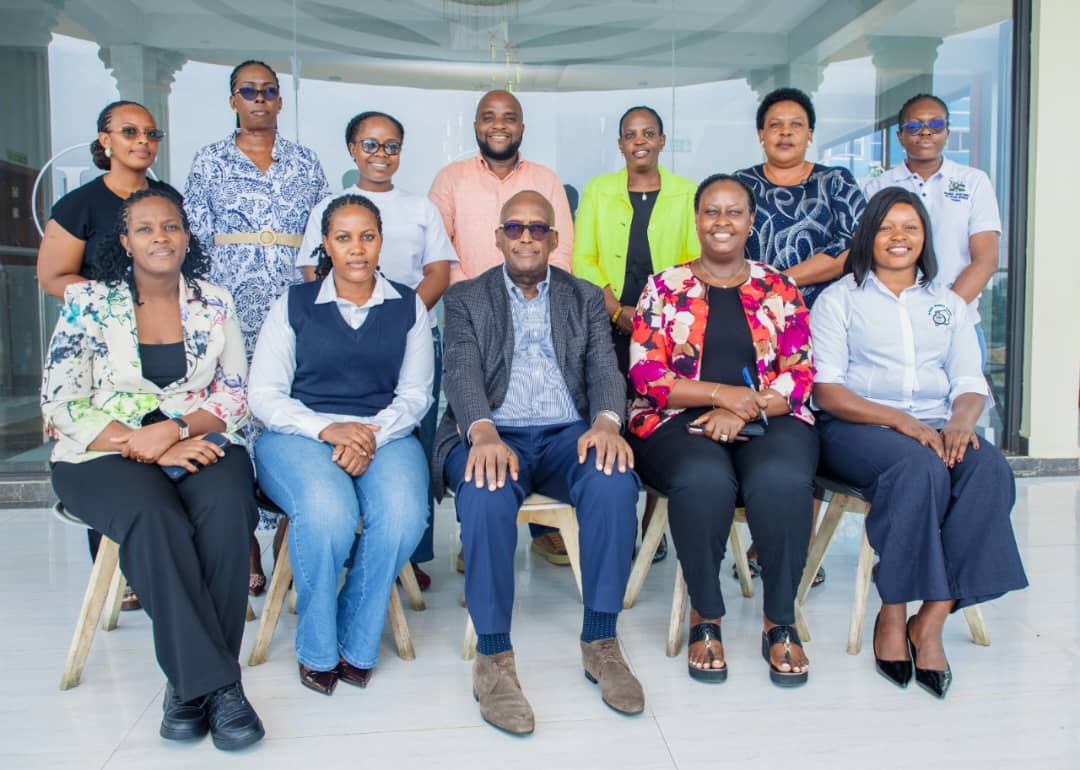
Entebbe: The National Women’s Council (NWC) inducted its newly elected Executive Council members in Entebbe, marking an important step towards strengthening women’s leadership, representation and participation in Uganda’s development agenda.
The newly inducted Executive is expected to champion women’s rights, promote economic empowerment, strengthen grassroots mobilisation, and advocate for policies and programmes that advance the welfare of women and girls across the country.
The three-day (Nov 11th – Nov 13th) Committee Orientation Retreat brought together the new leaders to deepen their understanding of the Council’s mandate, strengthen leadership and governance capacity, and equip them with the knowledge and skills needed to effectively execute their responsibilities.
Lumumba: Leadership Must Go Beyond Offices.
The Chairperson of the National Women’s Council, Ann Ruyondo Lumumba Todwong, challenged the newly elected Executive members to embrace action-oriented leadership and ensure their service translates into tangible improvements in the lives of women across the country.
Addressing members during the induction, she emphasised that their mandate goes beyond occupying leadership positions, calling on them to remain connected to the women they represent and deliver meaningful results.
“It’s not for us to sit in our air-conditioned offices and not have any impact,” she emphasised, urging the new leaders to prioritise service, accountability and community engagement.
She encouraged members to take full advantage of the three-day induction, noting that the expectation is for everyone to leave with substantial knowledge, practical skills and a clear understanding of their responsibilities.
“We are very eager. At the end of the three days, we need to leave with a lot of knowledge,” she said.
Ms. Lumumba also called on the Executive to work together, promote teamwork and maintain a shared commitment towards advancing the interests and welfare of women in Uganda.
Her message set the tone for a leadership approach centred on service, collaboration, accountability and measurable impact at all levels of the Council.
Turyasingura: Inspire Young Women To Lead.
The Executive Secretary of the National Secretariat for Special Interest Groups (NSIG), Osborn Turyasingura, challenged the newly elected Executive to use their leadership positions to inspire young women and show that age, marital status, and other social expectations should not be barriers to women’s leadership.
Speaking during the induction, Mr. Turyasingura observed that young women entering leadership positions send a powerful message to other young women who aspire to participate in decision-making and public leadership.
He noted that many young women are looking up to the newly elected leaders, even when they may not openly express it. He therefore urged the Executive members to recognise the responsibility that comes with being role models and to demonstrate through their actions that women can successfully compete for and occupy leadership positions.
He further acknowledged the barriers women often encounter when pursuing leadership, including societal expectations surrounding marriage, age and gender stereotypes, particularly in male-dominated constituencies.
Mr. Turyasingura expressed optimism that the experiences, knowledge and insights shared during the induction would strengthen the capacity of the Executive to effectively understand and execute its mandate.
He thanked the participants for attending and encouraged them to make the most of the induction as they prepare to serve women across the country.
Day Two: Planning, Budgeting and Women’s Priorities.
Day Two of the Orientation Retreat focused on strengthening leadership, enhancing institutional capacity, clarifying roles and responsibilities, and equipping members to effectively execute their mandate in advancing the rights, welfare and empowerment of women across Uganda.
Mr. Omene Emmanuel, Principal Economist, called on the newly elected leaders to actively engage in government planning and budgeting processes to ensure that women’s priorities are reflected in national development programmes.
He noted that every financial year, government issues Budget Call Circulars providing guidance and direction to government institutions on planning, budgeting and resource allocation. He encouraged the new leaders to familiarise themselves with these guidelines and understand how government priorities and resources are determined.
He specifically urged the Executive to study the Public Finance Management Act, 2015, particularly Sections 9 and 11-13, to strengthen their understanding of public financial management, planning and budgeting processes.
Esther Mukasa, GROW Project Representative, highlighted that the GROW grant is designed to support women entrepreneurs based on the specific needs of their businesses.
She noted that the initiative targets 2,626 eligible women-owned micro and small enterprises across the country, with the aim of strengthening business capacity, boosting productivity and supporting creativity and innovation.
Day Three: Women’s Rights, Agency and Empowerment.
Matsiko Evelyn delivered a session on women’s rights and empowerment during Day Three of the Orientation Retreat.
She highlighted agency as a key resource for women’s empowerment, describing it as the ability of women to make independent decisions and exercise control over important aspects of their lives.
On Day Three, Chairperson Lumumba expressed appreciation for the three-day orientation retreat, noting that it had been highly beneficial to the Council members.
She highlighted that participants had gained a clearer understanding of their roles and responsibilities, acquired valuable knowledge, and learned the appropriate offices and individuals to approach for guidance and support in executing their mandate.
Minister Tumukunde: Focus On Forgotten Women.
In his closing remarks, the Minister of Gender, Labour and Social Development, Lt. Gen. Henry Tumukunde, highlighted the broad mandate of the Ministry, noting that its wide scope of responsibilities sometimes makes it difficult to attend to every constituency adequately.
He challenged the newly inducted leadership to pay special attention to the NET (Not Employed, Not Trained) category of women, who are often overlooked. He urged the Council to use strategic communication and publicity to bring their challenges to national attention, strengthen advocacy, and push for dedicated budgetary support for women’s empowerment initiatives.
Key Message to the New Council.
- Champion the needs of women who are not employed or trained
- Use publicity to elevate women’s economic challenges onto the national agenda
- Advocate for dedicated resources and budgets for women’s empowerment
- Promote innovative, accessible financing for women.
-
Leave a Comment
Your email address will not be published. Required fields are marked *