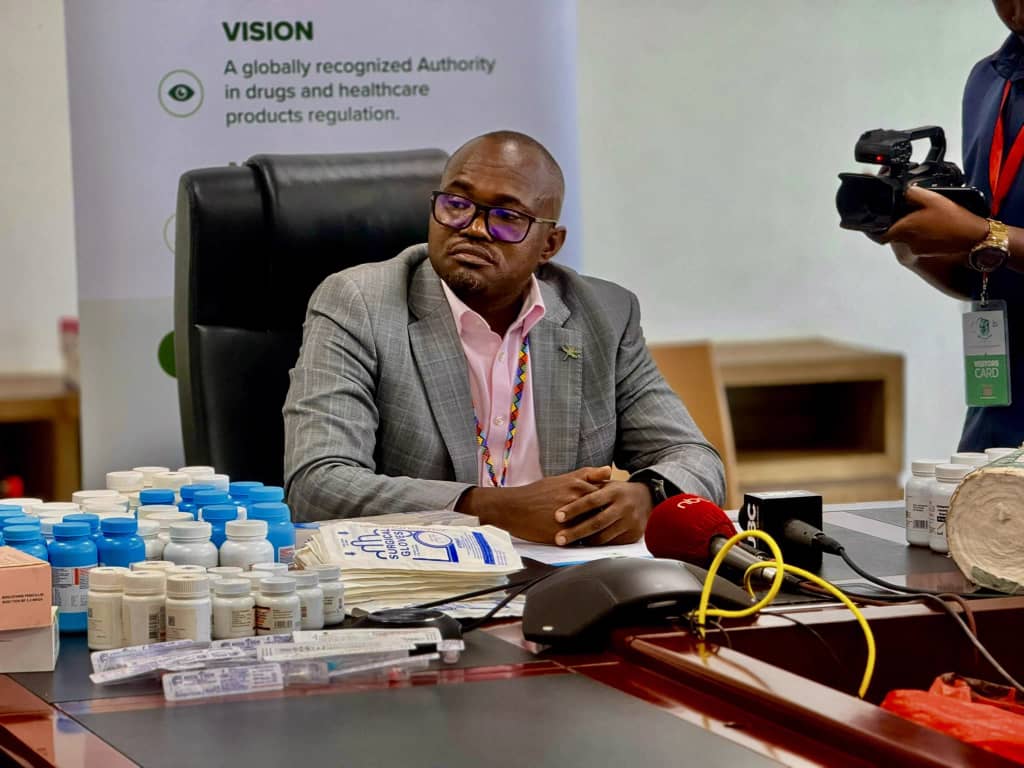
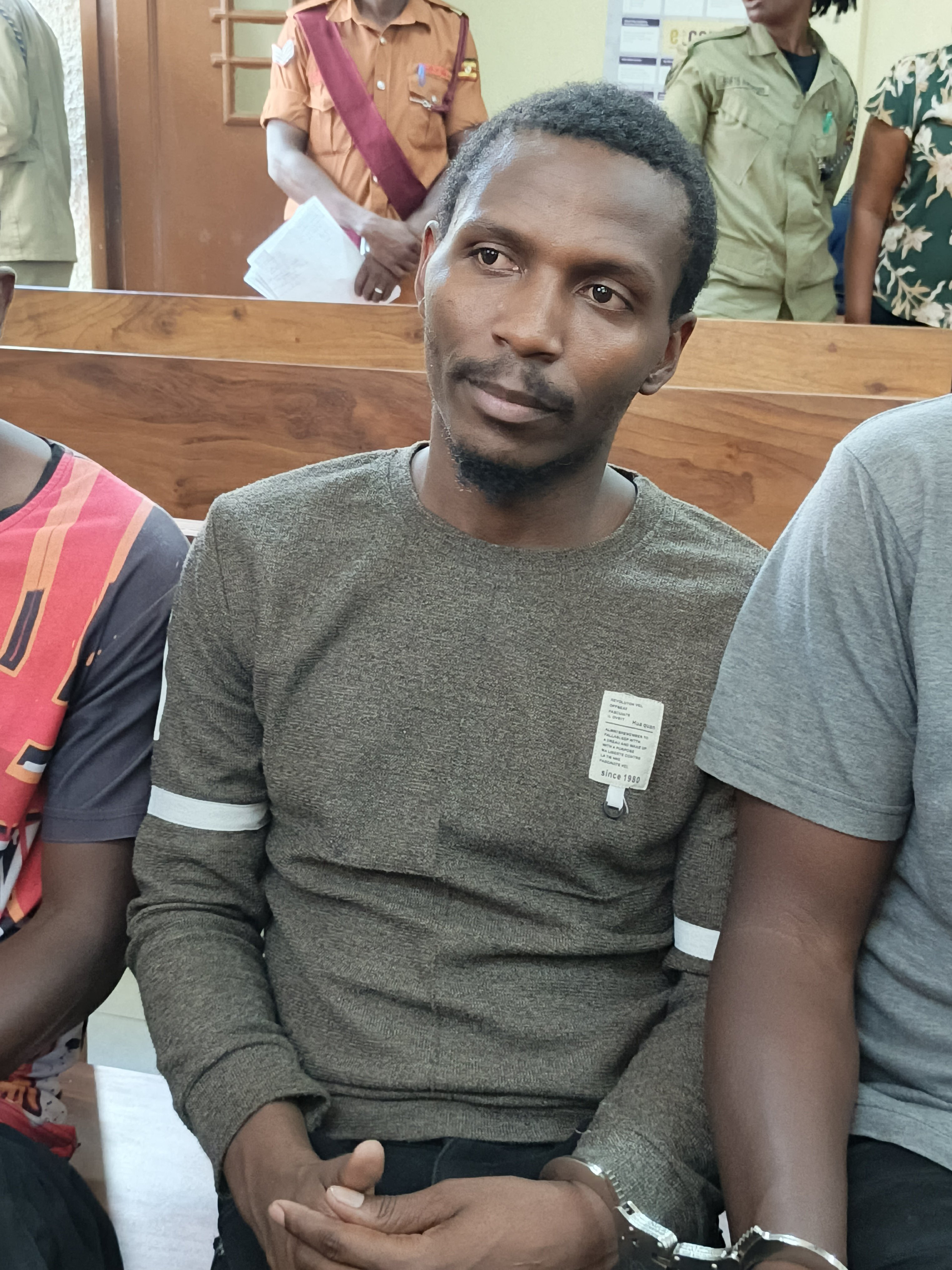
 SHS296M GONE? NDA Spokesman Abiaz Rwamwiri, Faces Court Over Fake Accountabilities.
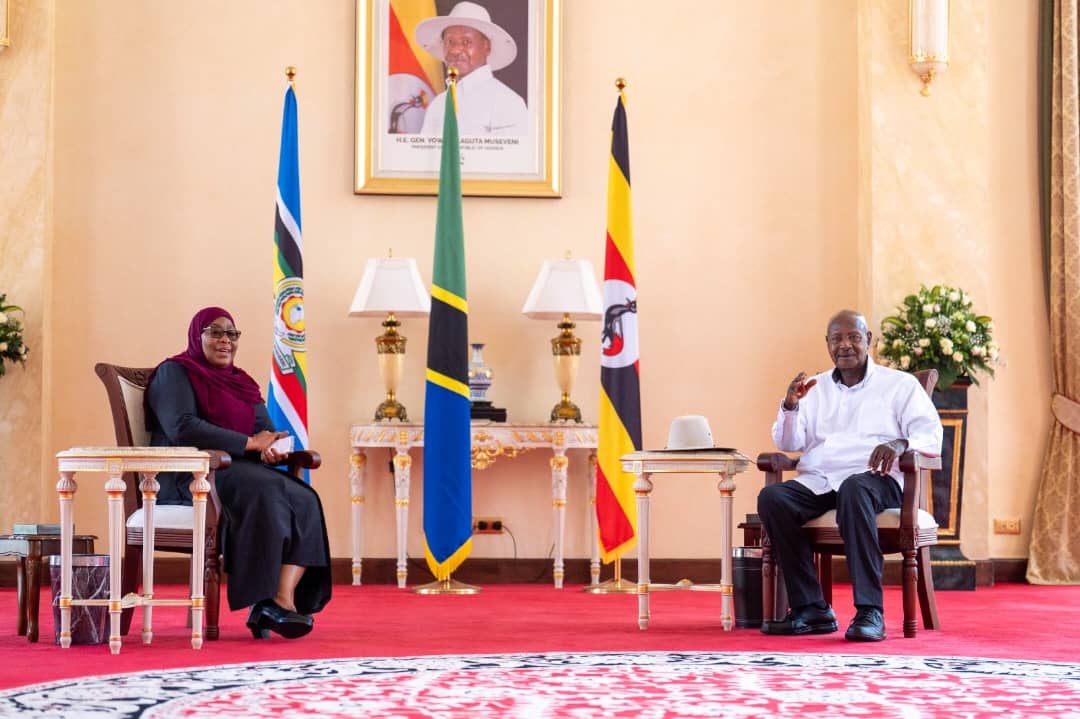 H.E MUSEVENI AND H.E SAMIA SEAL THE OIL DEAL: EACOP 93.9% DONE, SGR NEXT
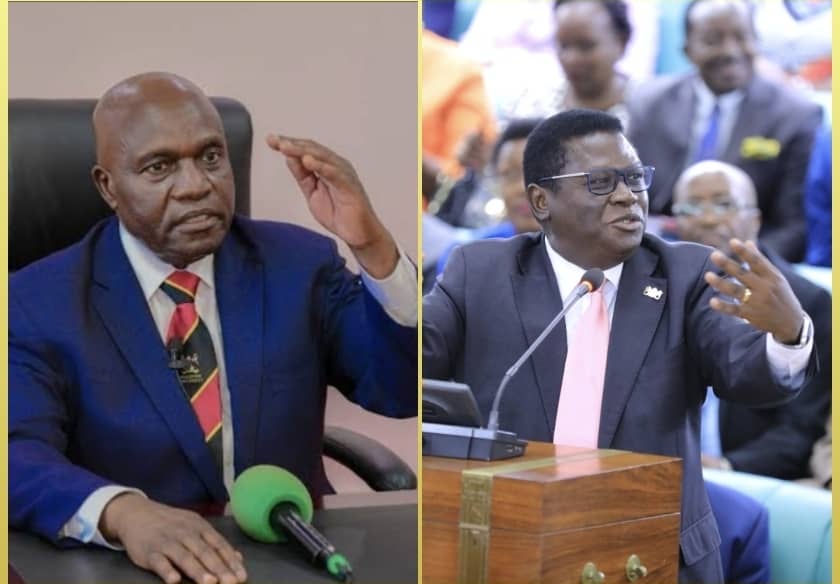 MAO TO MWENDA: You Cannot Beat People In Basements And Call It Transformation. Dr. KIYONGA Backs Him In Parliament.
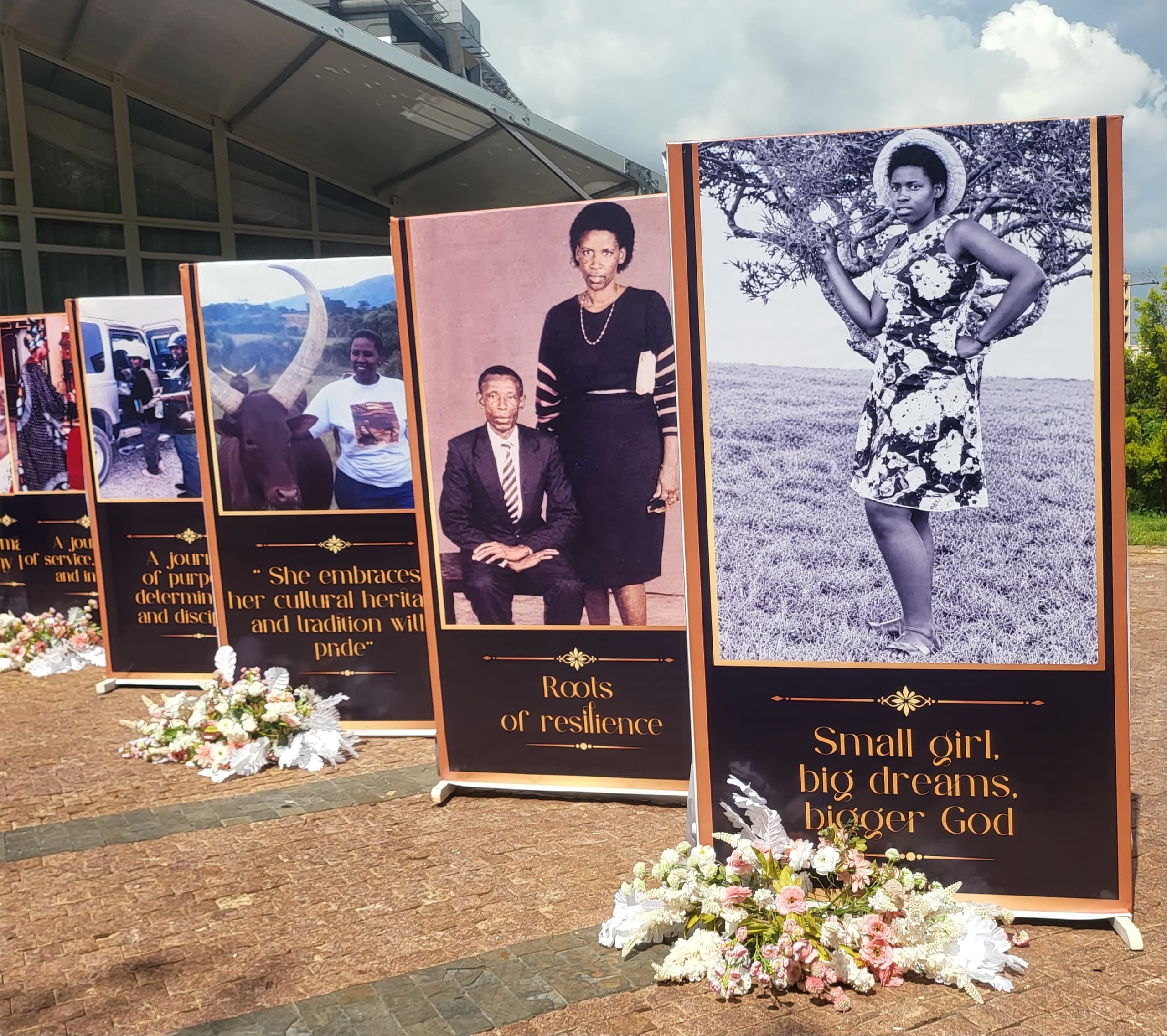 Dr. KELLEN KAYONGA: The Woman Who Needs No Title To Lead- Honoured At Glamorous Serena Dinner.
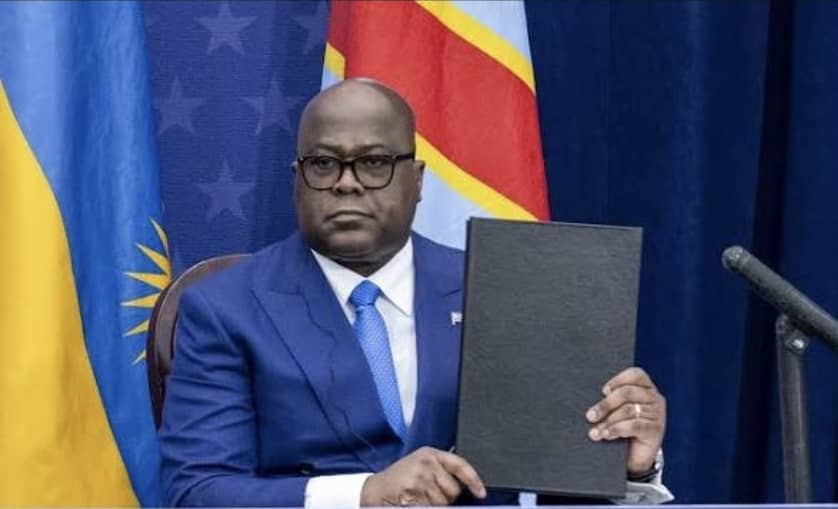 10 YEARS IN JAIL FOR RIGGING ELECTIONS: Who Will Punish The Powerful? Tshisekedi’s New Referendum Law Explained.
SALEH CHAIRS NAKASEKE PACT: CDA JOINS NATIONAL DIALOGUE AS SUCCESSION STORM GATHERS INSIDE NRM.
By Musa Rwamigoye.
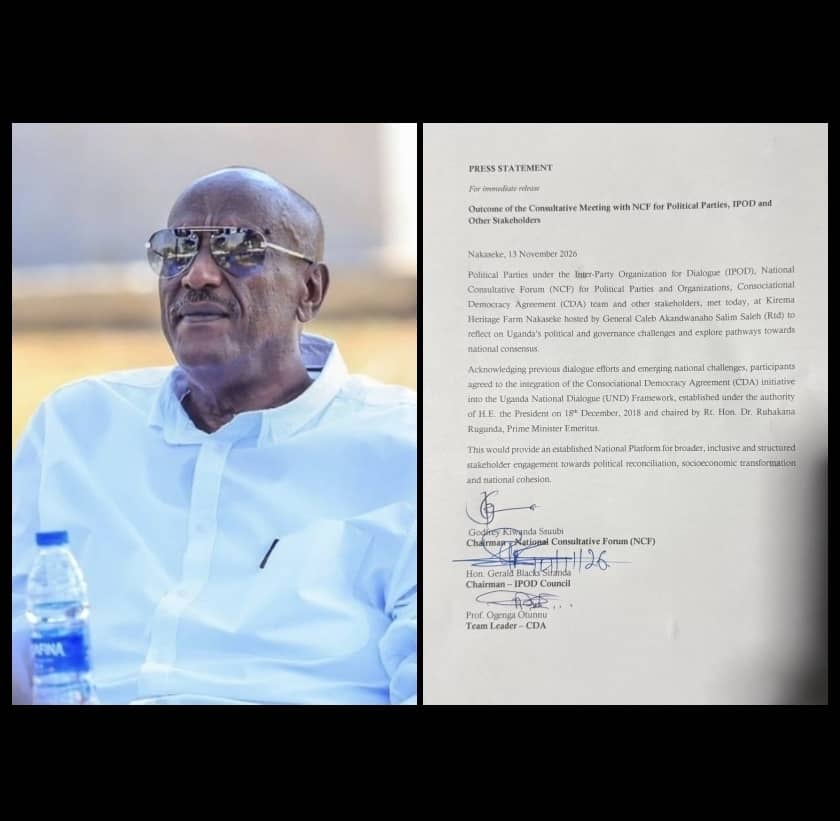
Political parties under the Inter-Party Organization for Dialogue (IPOD), the National Consultative Forum (NCF) for Political Parties and Organizations, the Consociational Democracy Agreement (CDA) team and other stakeholders have agreed to integrate the CDA initiative into the Uganda National Dialogue (UND) Framework.
The agreement was reached during a consultative meeting held on Friday, November 13, 2026, at Kirema Heritage Farm in Nakaseke, hosted by General Caleb Akandwanaho Salim Saleh (Rtd).
According to a press statement issued after the meeting, the leaders met to reflect on Uganda’s political and governance challenges and explore pathways towards national consensus.
The meeting acknowledged previous dialogue efforts and emerging national challenges, with participants agreeing that bringing the CDA into the UND Framework would provide an established national platform for broader, inclusive and structured stakeholder engagement.
The Uganda National Dialogue Framework was established under the authority of H.E. the President on December 18, 2018, and is chaired by Rt. Hon. Dr. Ruhakana Rugunda, Prime Minister Emeritus.
Participants said the integration is aimed at advancing political reconciliation, socio-economic transformation and national cohesion.
The statement was signed by:
- Godfrey Kiwanda Ssuubi, Chairman, National Consultative Forum (NCF).
- Hon. Gerald Blacks Siranda, Chairman, IPOD Council.
- Prof. Ogenga Otunnu, Team Leader, CDA.
WHY SALEH IS PUSHING THE CONSOCIATIONAL AGENDA NOW.
Behind the Nakaseke meeting is a bigger question that Saleh and Otunnu say Uganda can no longer avoid: what happens after President Yoweri Museveni?
Saleh, President Museveni’s younger brother and Chief Coordinator of Operation Wealth Creation, is co-authoring the CDA with Prof. Otunnu. The document, titled Consociational Democracy Agreement: Addressing the Root Causes and Consequences of Sectarianism, Exclusion, Marginalization and Conflicts in Uganda_, is presented as a 128 to 137-page working paper.
According to its authors, the aim is not a secret elite bargain. It is a written, public, five-year national programme (2026-2031) to move Uganda away from winner-takes-all politics toward power-sharing, consensus and inclusion.
Saleh has argued that Uganda needs to revisit the political disagreements that fractured the NRM’s original coalition after 1986, and to stop the younger generation from inheriting the quarrels of the liberation-era leaders.
The proposal envisages a National Consociational Council with three chambers: an Elite Cooperation Chamber for government and parties, a Grassroots and Multi-Stakeholder Chamber for religious, cultural, civil society, women and youth groups, and a Technical Implementation Secretariat to turn agreements into budgets, programmes and measurable targets.
Saleh has also insisted that reconciliation must be backed by money dedicated budget lines to address historical grievances, regional disparities, economic exclusion and marginalisation so that communities see real services, not just declarations.
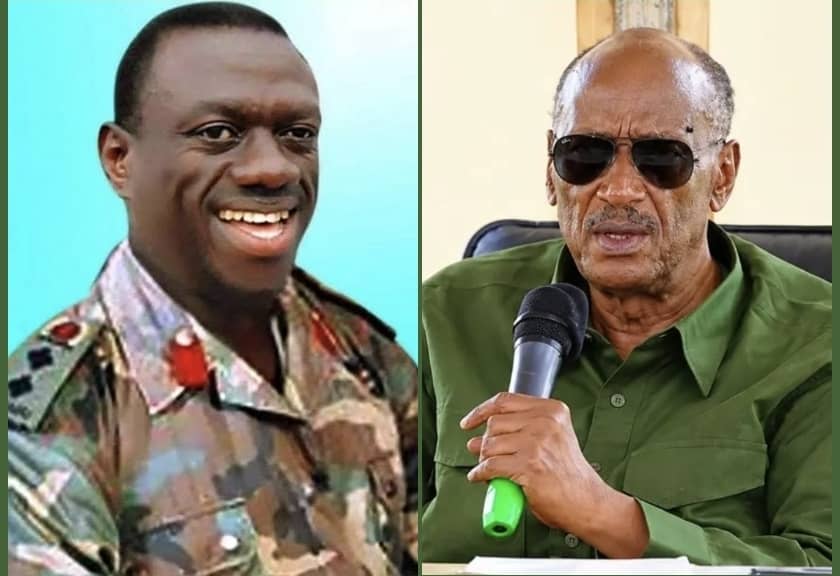
He has also linked the process to his recent re-engagement with jailed opposition leader Dr. Kizza Besigye, saying he hopes that within three to six months, they can reach a “combined outlook of the Uganda we want.”
OTUNNU’S ARGUMENT: FIX THE SYSTEM, NOT JUST THE SUCCESSOR.
Prof. Otunnu’s argument, as presented in the paper, is that Uganda’s problem is deeper than who succeeds Museveni.
He argues that past reconciliation efforts failed because they stayed among elites in Kampala and never addressed the root grievances of ordinary citizens regional inequality, sectarianism, exclusion, land disputes, poor service delivery and unequal access to opportunities.
For Otunnu, the CDA must therefore:
1. Be a written, publicly gazetted document, available in local languages – not a backroom deal
2. Reduce, not institutionalise, sectarian identity, while addressing the grievances behind it
3. Link political dialogue from national level down to regional, district, local government and village level
4. Create a structured way to handle transition without violence or collapse
In his framing, Uganda has never had a peaceful presidential handover, and without a new settlement, the succession debate alone could deepen division rather than resolve it.
THE SUCCESSION STORM BEHIND THE DIALOGUE.
The timing of the CDA push has placed it directly in the middle of the succession debate.
Less than six months into Museveni’s ninth presidential term, reports have emerged of disagreements inside the ruling establishment over who should succeed him and how the transition should be managed.
Central to that debate is Gen. Muhoozi Kainerugaba, Chief of Defence Forces and Museveni’s son, who has publicly expressed presidential ambitions for 2031 through the Patriotic League of Uganda (PLU).
Reports, first published by Agence France-Presse (AFP) and citing anonymous participants, claimed that during a closed-door NRM Central Executive Committee (CEC) meeting on November 10, 2026, at State House Entebbe, a vote on Muhoozi’s 2031 candidacy had to be abandoned amid pushback from party elders. The report claimed four members voted in favour and three against before the process stopped, and that some members questioned Muhoozi’s readiness and his combative social media conduct.
NRM Secretary General Richard Todwong has strongly rejected those reports.
In a statement issued on Thursday night, November 12, 2026, Todwong said: “That story is completely false. “He said the CEC routinely meets to discuss political, social and economic issues, and that the party would communicate any decision through official channels at the right time.
Todwong did not, however, give details of what was discussed in the November 10 meeting or confirm whether a succession paper was on the agenda.
THE THREE NAMES INSIDE THE SAME HOUSE: SALEH, MUHOOZI AND RWABWOGO.
What makes the current succession debate unusual is that the three most discussed names all come from within the same extended family and ruling establishment and each represents a different style of leadership.
1. Gen. Muhoozi Kainerugaba, The PLU Candidate.
Muhoozi is the most explicit contender. Through the Patriotic League of Uganda, led in mobilisation by Kasambya County MP Daudi Kabanda, his supporters have been collecting endorsements for a 2031 bid.
His backers argue Uganda needs a strong, decisive leader who can command popular support and maintain national security after Museveni, and point to his military record, Pan-Africanist posture and youth appeal.
His critics inside CEC, according to reports, worry about his temperament, his combative posts on X, and the fact that he is still a serving military officer who has not yet held civilian political office.
2. Odrek Rwabwogo, The Quiet Reformer.
The second name is Odrek Rwabwogo, 56, Museveni’s son-in-law, married to Bishop Patience Museveni. He chairs the Presidential Advisory Committee on Exports and Industrial Development (PACEID) and has spent years building support inside the bureaucracy.
His supporters present him as a sedate, civilian, reform-minded figure focused on exports, industrialisation and institutional reform.
His rivalry with Muhoozi has at times spilled into public view, with exchanges over PACEID and the arrest of Rwabwogo’s aide, Matthew Bagonza a sign, analysts say, that the contest is no longer just theoretical.
3. Gen. Salim Saleh – The Elders’ Preferred Bridge.
The third name, and the one increasingly mentioned by a section of CEC members, is Gen. Saleh himself.
NRM Vice Chairman for Western Uganda, Hajji Hassan Basajjabalaba, is reported to be sympathetic to Saleh. According to reports from the November 10 CEC meeting, Basajjabalaba shared the reservations expressed by NRM Vice Chairman for Eastern Uganda, David Calvin Echodu, about Muhoozi succeeding immediately in 2031.
Basajjabalaba has since insisted that the decision on Museveni’s successor will rest with the party leadership: “We are the ones who will decide who succeeds President Museveni… I don’t want to say too much or reveal any secrets because discussions are still ongoing.”
Crucially, there is no indication that Saleh himself has expressed interest in the presidency. His name is being pushed by others, not by himself.
WHY DO ELDERS AND SENIOR CITIZENS PREFER SALEH?
Among elders, historicals and senior CEC members, Saleh’s appeal is presented not as ambition, but as temperament and experience.
Supporters cite five reasons.
1. A Forgiving, Reconciliatory Character: CEC members who doubt Muhoozi are reported to fear that he is “not politically friendly like his uncle Gen Salim Saleh and father, H.E Museveni, who has a soft heart for forgiving and believes in reconciliation.” They say they want a successor with Museveni’s tolerance, not confrontation.
2. Civilian Leadership Experience: Unlike Muhoozi, Saleh is seen as better prepared for civilian leadership because of his extensive engagement with local communities, grassroots economic mobilisation through Operation Wealth Creation, and long experience in government administration.
3. A Bridge Across Divides: Saleh is one of the few figures who can talk to Museveni, the army, NRM, business, religious leaders and opposition figures at the same time. His recent outreach to Besigye is cited as proof.
4. Influence Without Visible Ambition: Analysts describe Saleh as a leader who has “influence without constantly seeking visibility and exercises power without constantly displaying it.” He has never built a political movement around himself, unlike Muhoozi’s PLU or Rwabwogo’s PACEID network.
5. A Transitional, Not Dynastic, Figure: For elders worried about a father-to-son handover looking like a dynasty, Saleh Museveni’s brother and fellow bush-war veteran is seen as a transitional stabiliser who could manage a 2031-2036 transition and prepare ground for a new generation, rather than entrenching family rule.
In short, for this group, Saleh is not the most powerful candidate on paper, but the safest pair of hands to prevent a split inside NRM and the country.
CAN IPOD HAVE A STAKE IN SUCCESSION?
This is where the Nakaseke agreement becomes strategically important.
Traditionally, succession in Uganda has been treated as an internal NRM matter decided in CEC, State House or the First Family. Opposition parties have had no formal role.
The CDA, if it is folded into the Uganda National Dialogue, could change that logic if IPOD speaks with one voice.
IPOD brings together parties with representation in Parliament, including NRM and opposition parties. The NCF brings a wider forum of political parties and organisations. If those two bodies agree on a common Consociational agenda a written, public, jointly-owned framework for how transition should be managed they would have a legitimate claim to a seat at the succession table, not as bystanders, but as stakeholders in national stability.
In practical terms, IPOD could:
- Demand that succession be discussed as a national transition, not just an NRM internal vote
- Insist that any transition agreement be gazetted, public and binding, with implementation timelines
- Push for guarantees on political freedoms, electoral reforms and inclusion of opposition in a transitional arrangement
- Use the National Consociational Council structure to link elite talks to grassroots views, so that succession is not decided by 28 CEC members alone
That is why, for Saleh and Otunnu, getting IPOD, NCF and CDA under one UND umbrella matters: a fragmented opposition has no leverage. A united IPOD, speaking through one framework, could force the succession debate out of closed rooms and into a national conversation.
Whether that will happen depends on whether IPOD can stay united – and whether NRM will accept that succession is no longer just a party question.
WHY SOME IN OPPOSITION ARE SCEPTICAL.
While Saleh and Otunnu present the CDA as a path to national healing, some opposition actors have read it differently.
The People’s Front for Freedom (PFF), associated with Besigye, has rejected the proposal as currently framed, arguing it could be a return to the Movement system and a way to co-opt opposition figures into government positions without genuine reform.
PFF Acting President Dr. Michael Lulume Bayiga has set four conditions for joining any dialogue: a neutral convener jointly agreed, a jointly developed agenda, broad representation, and an independent guarantor to ensure implementation.
Lulume has also accused the architects of using dialogue language to manage a family-controlled succession, a claim Saleh’s camp has not accepted and which remains contested.
Other opposition parties, including NUP, have also expressed suspicion, questioning whether an initiative led from inside the ruling establishment can credibly deliver genuine democratic reform or is intended to secure a controlled succession.
WHAT NAKASEKE MEANS.
The Nakaseke meeting therefore signals two things at once.
For its supporters, it is an attempt to consolidate different dialogue initiatives – IPOD, NCF, CDA and UND under one national framework before succession pressures deepen divisions.
For its critics, it is a test: will the process be genuinely inclusive, jointly owned and backed by implementation, or will it become another elite arrangement?
What is clear is that the CDA has now moved from a working paper presented in Jinja on October 15-16, 2026, to a formal part of the national dialogue conversation with Saleh and Otunnu at the centre, and the succession question looming over every discussion.
And inside that succession question, three names from one house Saleh, Muhoozi and Rwabwogo now represent three competing visions: stability and reconciliation, strength and continuity, and reform and civilian governance.
Leave a Comment
Your email address will not be published. Required fields are marked *