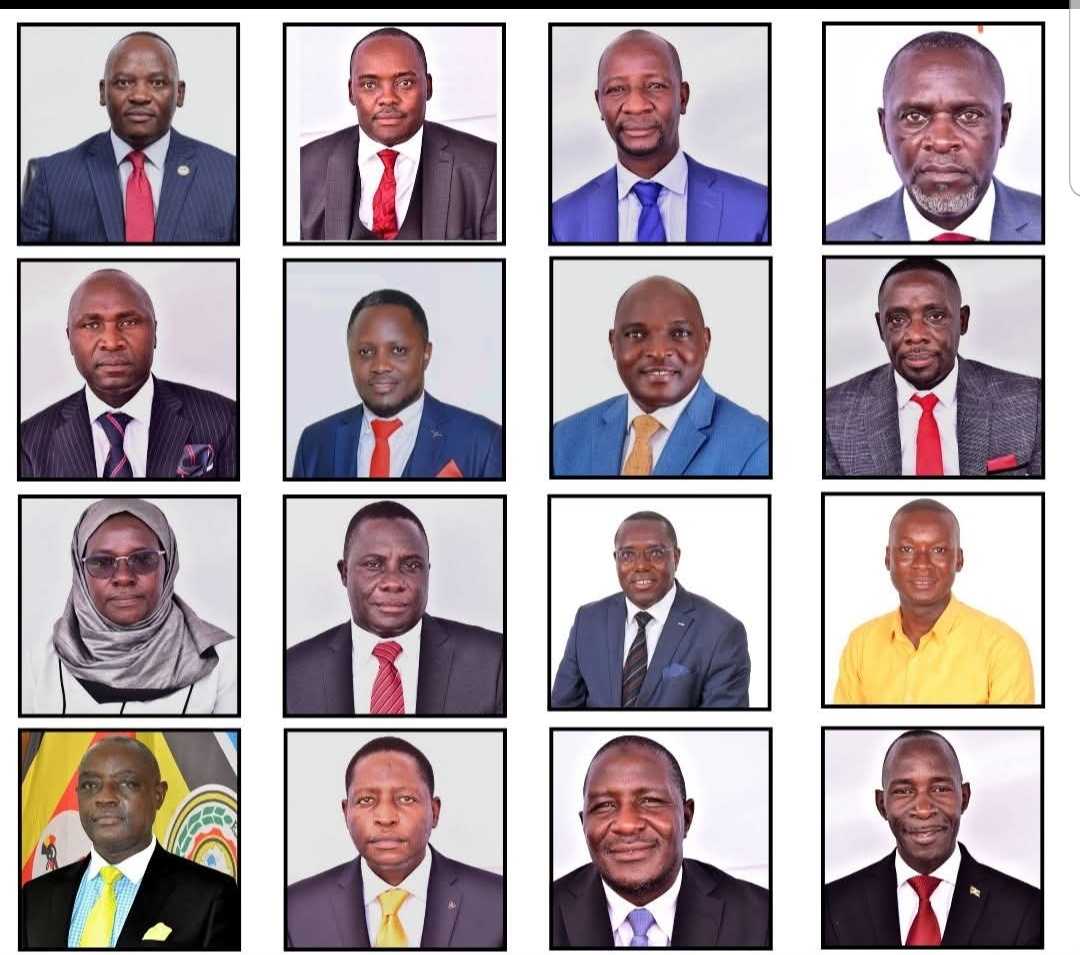
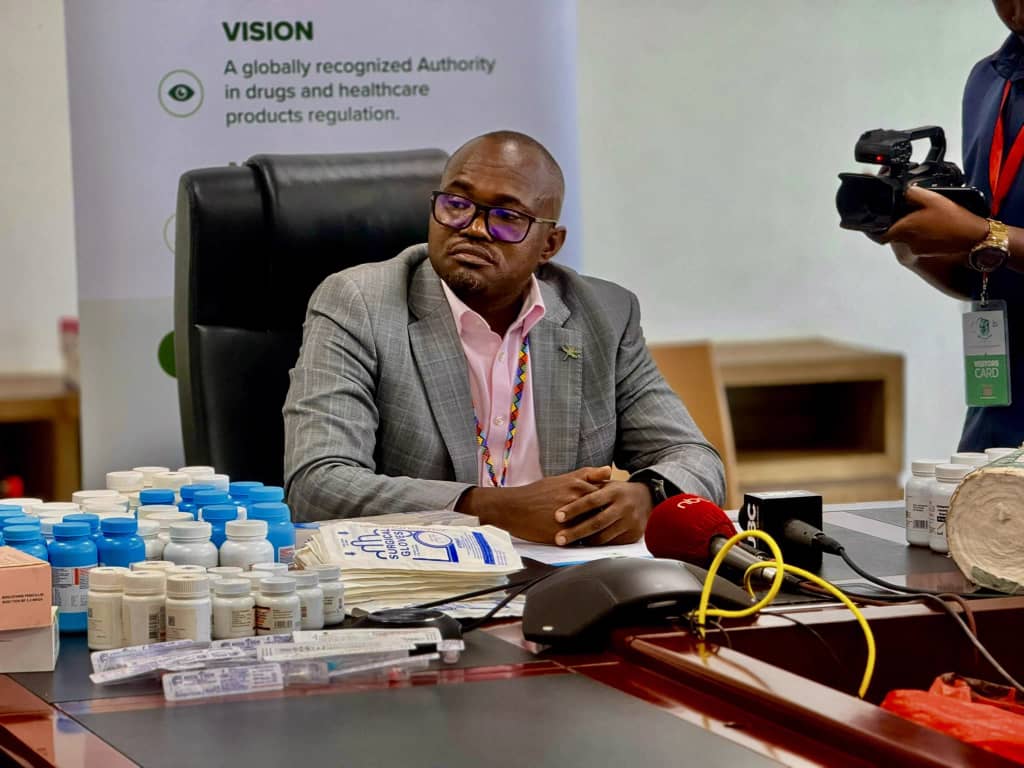
 SHS296M GONE? NDA Spokesman Abiaz Rwamwiri, Faces Court Over Fake Accountabilities.
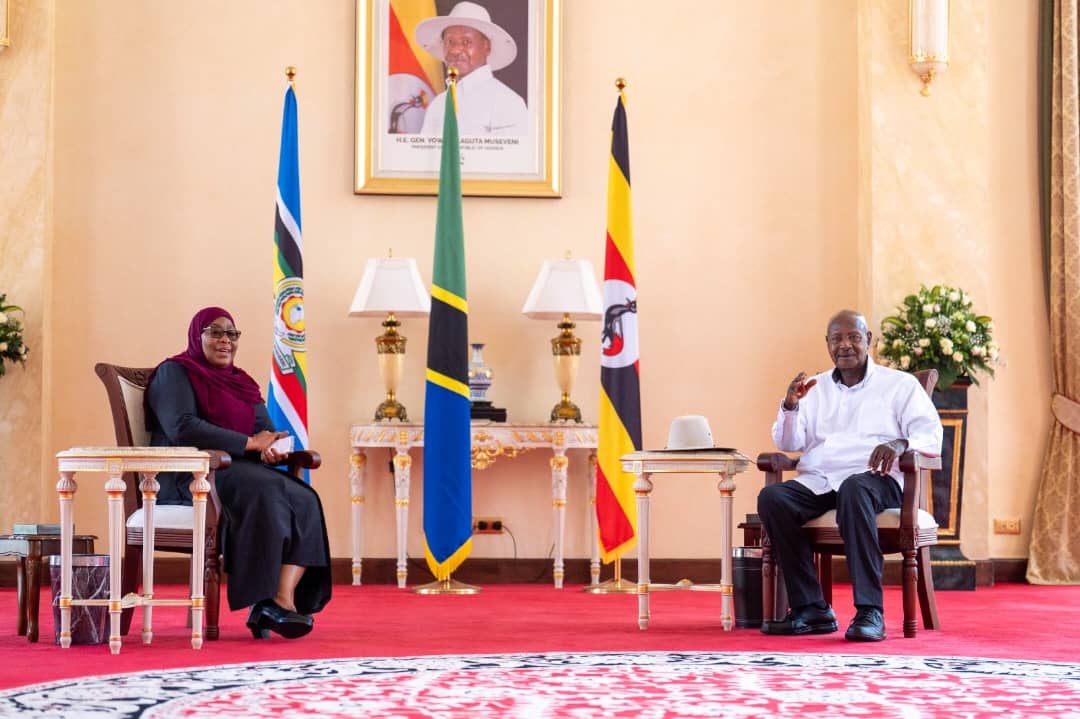 H.E MUSEVENI AND H.E SAMIA SEAL THE OIL DEAL: EACOP 93.9% DONE, SGR NEXT
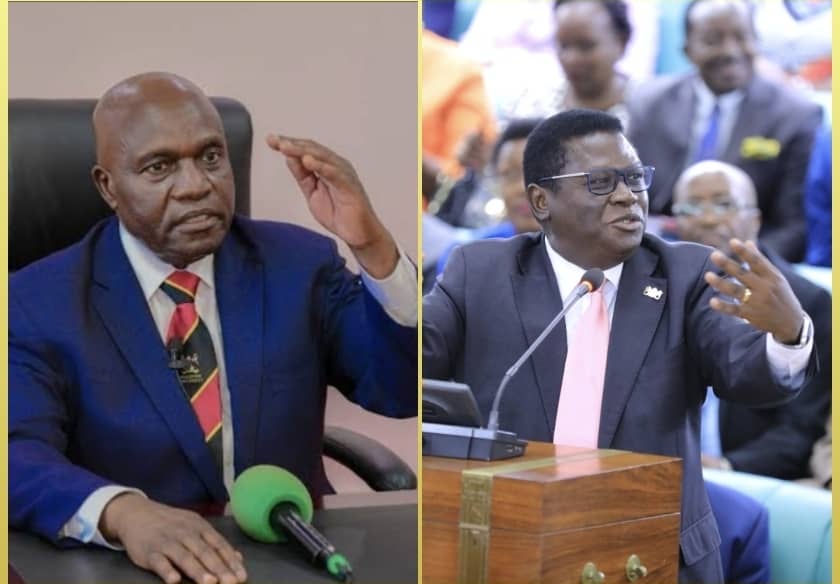 MAO TO MWENDA: You Cannot Beat People In Basements And Call It Transformation. Dr. KIYONGA Backs Him In Parliament.
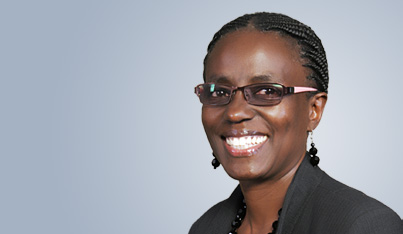
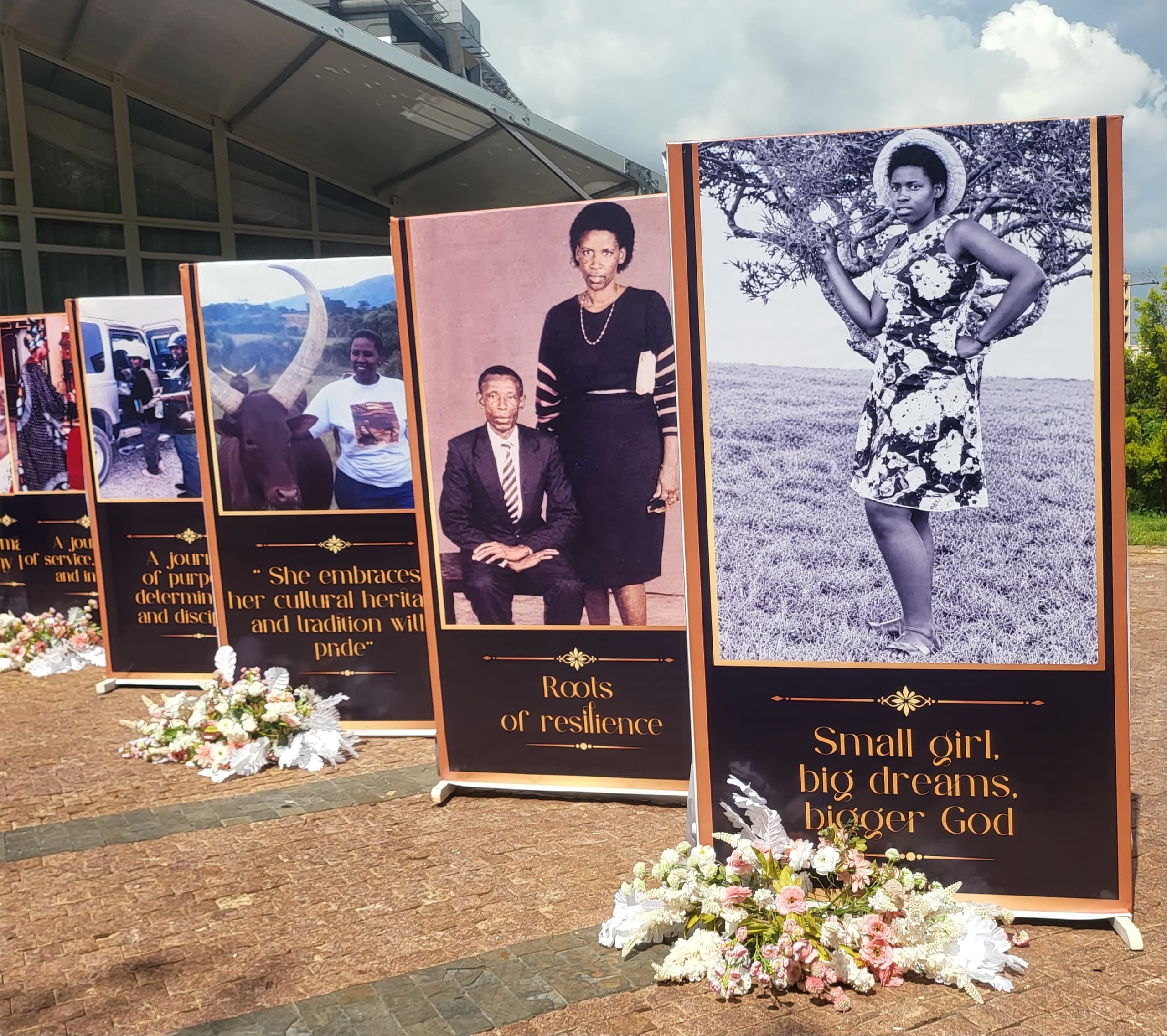 Dr. KELLEN KAYONGA: The Woman Who Needs No Title To Lead- Honoured At Glamorous Serena Dinner.
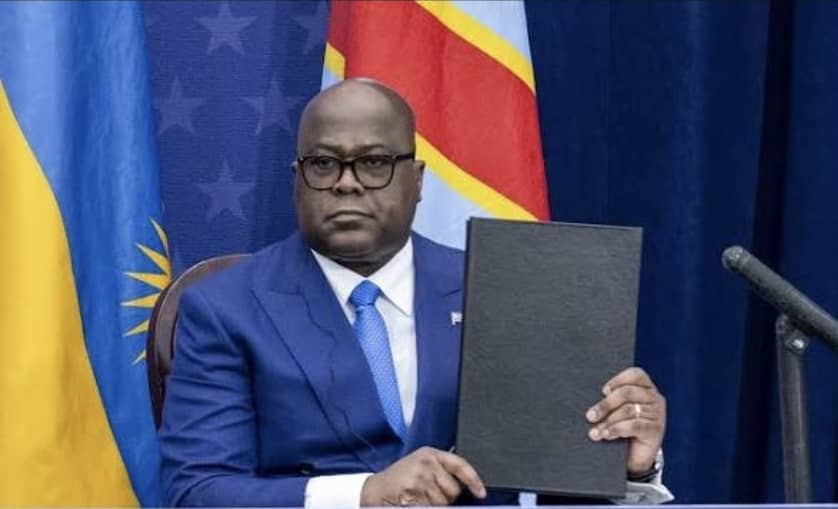 10 YEARS IN JAIL FOR RIGGING ELECTIONS: Who Will Punish The Powerful? Tshisekedi’s New Referendum Law Explained.
TODAY IN HISTORY: THE 14 PAGES DOSSIER THAT SHOOK THE NRM.
By Musa Rwamigoye .
On this day, 27 years ago, Uganda witnessed one of the most consequential acts of political dissent in its post-independence history.
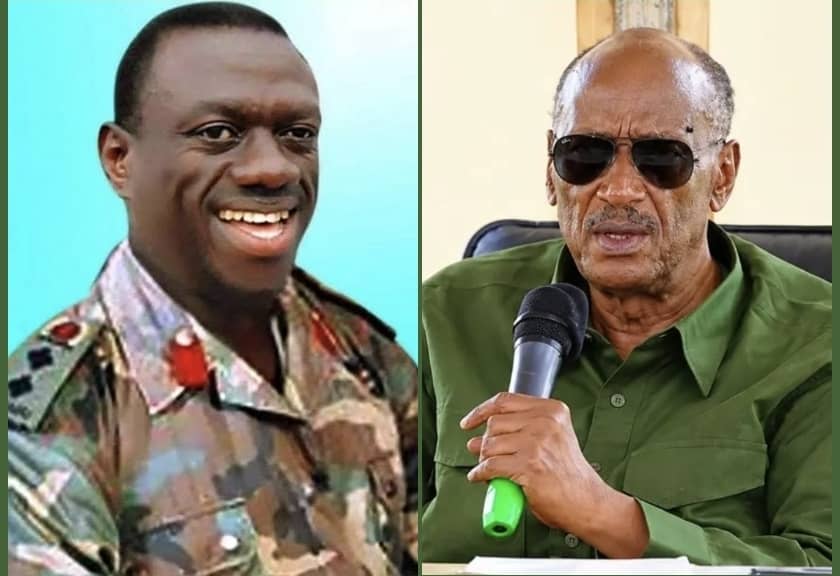
Colonel Dr. Warren Kizza Besigye Kifefe, then a serving senior officer of the Uganda People’s Defence Forces (UPDF) and Senior Military Advisor to the Minister of State for Defence, published a 14-page document that Would permanently alter the trajectory of Ugandan politics.
“Besigye’s Views of How the NRM Lost the Broad Base”
It was not the work of an outsider. T was not the Work C an exile or a S c traditional oppositionist. It was the work of a man who had helped bring the government to power – a bush-war veteran, President Museveni’s personal physician during the guerrilla struggle, former Minister Of State for Internal Affairs, and former National Political Commissar of the NRM.
Besigye used the document to ask the question no insider had dared to ask in public: Had the National Resistance Movement remained faithful to the political ideals that inspired its 1980-1986 Bush War?
I. His answer was a devastating No.
To begin with, Dr. Besigye was an insider who knew Much of what he was talking about.
Besigye did not write as a critic looking in from outside. He wrote as an architect of the Movement looking at a building he no longer recognised.
He had sat .c the High Command. He had sat in Cabinet. He had sat in the National Resistance Council. He knew how decisions were made- and how they had stopped being made.
That is why his criticism carried a weight no opposition press release could ever carry. He was not speculating about the NRM. He was testifying about it.
ii) The Death Of The Broad Base Government System.
At the Centre of Dr. Besigye’s argument was the betrayal of the NRM’S founding covenant, the Broad-Based Government.
When the NRA captured power in January 1986, the NRM did not govern alone. It deliberately brought together Ugandans of different ideological backgrounds -UPC, DP UPM, and independents – under a national consensus government.
It was a government national unity, built on the principle that Uganda could only be healed if all Ugandans e/t they owned the State.
By 1999, Besigye argued, that model had been abandoned.
In its place had emerged an increasingly narrow, exclusionary political order where political survival and personal loyalty to the presidency took precedence over institutional principles, national consensus, and merit.
The Movement that had promised to end sectarianism had, in his view, become sectarian. The Movement that had promised to end personal rule had become personalised.
iii) Corruption, Patronage And The Erosion Of Discipline
The dossier went further, Besigye raised grave concerns about the creeping culture of corruption, patronage and nepotism within Government and the military.
He questioned the growing influence of personal loyalty in appointments and decision-making, where loyalty to the individual, not loyalty to the Constitution or to the Movement’s ideals, had become the currency of promotion.
He argued that the NRM was losing the institutional discipline, the ideological clarity, and the democratic values it had originally promised n the bush.
In his now-famous formulation, later quoted across the country, Besigye accused the NRM of degenerating into a sectarian kleptocracy and a one-man dictatorship”, a regime where the State was being privatised p for the benefit of a few.
iv. The Shrinking Space For Debate
Dr. Besigye further criticised what he described as the shrinking space for internal debate within the NRM.
The Movement had once prided itself on vigorous internal discussion – the famous bush-war kimeeza where even the Commander could be challenged.
By 1999, Besigye alleged, important decisions were increasingly concentrated among a small circle around the presidency, rather than being subjected to wider consultation within the Movement’s organs.
Dissent was no longer treated as contribution. It was treated as treason. The NRM, he warned, was no longer a movement. It was becoming a court.
v. The Confrontation: Soldier Versus State
The publication triggered major confrontation with the military and political establishment.
Dr. Besigye was still an active-duty UPDF officer, making his public criticism particularly sensitive. In military law, an officer does not air political grievances in public. He raises them through the chain of command.
The Military High Command threatened disciplinary action, including a possible court-martial, over his decision to air political grievances while serving in the army. He was charged with airing his views in the wrong forum.”
It was a defining moment: Would the UPDF treat a senior officer’s political conscience as a military offence?
Intervention by senior historical leaders and elders helped ease tensions and delayed formal proceedings. < deal was eventually brokered in 2000- charges dropped in exchange for an apology for publishing the document.
But the confrontation had already done its work. The confrontation contributed directly to Besigye’s departure from the military and his separation from the NRM. He had crossed the Rubicon and there was no going back.
FROM DOSSIER TO REFORM AGENDA.
Dr. Besigye’s break with the ruling movement soon developed into an organised political challenge.
In October 2000, pre-empting what he said was his impending arrest, Besigye announced that he would challenge President Museveni in the 2001 Presidential Election under the Reform Agenda platform.
It was the first time a fellow bush-war historical, a fellow NRA commander, had stood against Museveni at the ballot box.
That challenge marked he beginning of a political rivalry that would shape Uganda’s opposition politics for more than two decades through the 2001, 2006, 2011 and 2016 elections, through the formation of the Forum for Democratic Change (FDC), through arrests, treason charges, and Walk-to-Work protests.
Twenty-seven years later, the questions raised in those 14 pages remain the central questions of Ugandan politics:
I).Is power broad-based or narrowly held?
II). Is loyalty to the Constitution or loyalty to the person the test for public office?
III). Has the liberation movement remained faithful to its liberation ideals?
IV). Is dissent a democratic right or a military offence?
Honestly, on this day in 1999,a soldier traded his uniform for a pen.
Dr. Besigye did not just write document, he opened Uganda’s second liberation struggle for democratic governance from within the very movement that had promised it.
History will remember 6th November 1999 not as the day Besigye left the NRM. History will remember it as the day the NRM was forced to look at itself in the mirror – and did not like what it saw.
THE CONFIRMATION BESIGYE WAITED 27 YEARS FOR.
From the 1999 dossier to Gen. Salim Saleh’s Consociational framework, history has vindicated Dr. Besigye.
“The Movement that had promised to end sectarianism had, in his view, become sectarian. The Movement that had promised to end personal rule had become personalised.” Dr. Besigye’s 6th November 1999 Dossier.
For 27 years, that sentence was treated as treason but today, it is being treated as diagnosis.
A few days ago, Gen. Caleb Akandwanaho, popularly known as Salim Saleh, the younger brother of President Museveni, a founding NRA commander, and one of the architects of the NRM itself frankly told the nation what Besigye had said in 1999.
In reality, Gen Saleh was saying that Uganda is divided? Uganda is sectarian and Uganda needs to be rebuilt on the original fundamentals of NRA.
Speaking to chairpersons of parliamentary committees at Kapeeka, Nakaseke, Gen. Saleh revealed that he is now spearheading a Consociational Democracy Framework, purposely to rebuild and reshape the political image and leadership of this nation for the betterment of future generations.
It is, in substance, a confirmation of Besigye’s 1999 dossier, from inside the very house Besigye was accused of betraying.
Gen Saleh admitted and did not mince words. He traced Uganda’s divisions to the moment the NRM’s original broad-based coalition fractured after 1986.
He admitted that the departure of DP members from the first broad-based government contributed to the loss of what he called “political harmony.”
He admitted that the late 1990s, Dr. Besigye wrote his dossier was the turning point when he and Besigye separated.
“Dr. Besigye wrote that paper of his, a political paper. But for me, I wrote a very subversive document also around that time. But mine was for fighting poverty. I was saying poverty is going to be our main challenge. But Dr. Besigye was saying politics is going to be our big challenge. So, we separated at that moment.” Gen. Salim said .
In other words: Besigye was right about politics. Saleh was focused on poverty. Both were right. But Uganda paid the price for ignoring the politics.
What Is Consociational Democracy?.
Gen. Saleh, working with historian Prof. Ogenga Otunnu, has produced a 128 to 137-page working paper titled “Consociational Democracy Agreement”, addressing the root causes and consequences of sectarianism, exclusion, marginalization and conflicts in Uganda.
Consociational democracy is a political model designed for deeply divided societies. Instead of winner-takes-all where one group wins everything and the loser gets nothing it proposes.
1. Grand Coalition: All major political groups share power, not just the winner.
2. Proportional Representation: Every region, religion and political tendency gets a fair share.
3. Mutual Veto: No major group can be overridden on its vital interests.
4. Autonomy: Communities manage their own cultural and local affairs.
Gen. Saleh’s proposal envisages a 5-year national process, with a National Consociational Council made up of:
I). Elite Chamber: Government and political parties.
II). People’s Chamber: Civil society, religious leaders, women, youth, cultural leaders.
III). Delivery Secretariat: Technical experts to turn agreements into budgets and measurable targets.
As Prof. Otunnu puts it, “We are not institutionalising ethnicity or religion. We are killing its political value by solving the grievances that make people run to tribe and religion for protection.”
Comparing the two documents after 27 years ago.
Dr. Besigye in 1999 said: The NRM lost the broad base. Power became narrow, sectarian, personalised. Corruption and patronage replaced institutional discipline. Debate was killed.
Gen. Saleh 2026 says: Uganda needs a new settlement to address sectarianism, exclusion, marginalisation, regional inequality, disputed elections, land conflicts and poor service delivery. The old secretive elite bargains have failed. We need a written, public agreement.
In other words, it is the same diagnosis. Only the author has changed.
Even more telling, Gen Saleh himself revealed he has reconnected with Dr. Besigye, after Gen. Muhoozi Kainerugaba tasked him on 25th August 2026 with handling Besigye’s case. Gen. Saleh found Dr. Besigye “almost dead” in Luzira Prison and transferred him to JCRC for treatment.
“We are carefully examining what needs to be done for you people of 35, 45, 50, 55, so that you don’t inherit our generational quarrels.” Gen. Saleh said.
“I hope we shall convince each other in the next maybe six months or maybe three months to have a combined outlook of the Uganda we want.” Gen Saleh added.
The two men who separated in 1999, one over politics and one over poverty are now talking again about the same Uganda.
The Lesson For Future Generations.
Dr. Besigye was punished in 1999 for saying what Saleh is now saying in 2026, when said that Uganda cannot survive on sectarianism and personal rule.
History has a way of vindicating prophets late.
If Saleh’s Consociational Framework succeeds, it will not be because it is a new idea. It will be because it finally implements the idea Besigye risked his career, his freedom, and his life to defend in 1999, when he said that Uganda must be governed by broad base, not narrow base. Besigye believed in consensus but not in command and by institutions, but not individuals.
The Movement promised to end sectarianism. Saleh is now admitting it did not.
The question for the future generation is no longer whether Besigye was right. The question is: Will Uganda finally act on what he was right about?.
From The 1999 Dossier To Gen. Salim Saleh’s Consociational Framework: History Has Vindicated Besigye..
Leave a Comment
Your email address will not be published. Required fields are marked *