 SHS296M GONE? NDA Spokesman Abiaz Rwamwiri, Faces Court Over Fake Accountabilities.
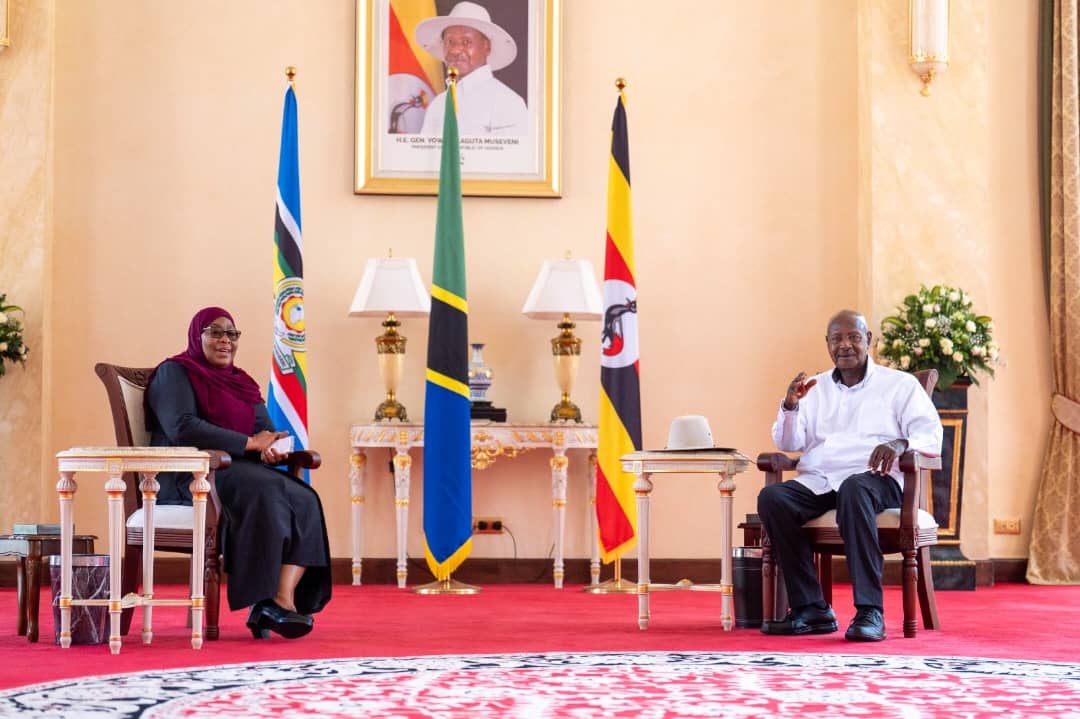 H.E MUSEVENI AND H.E SAMIA SEAL THE OIL DEAL: EACOP 93.9% DONE, SGR NEXT
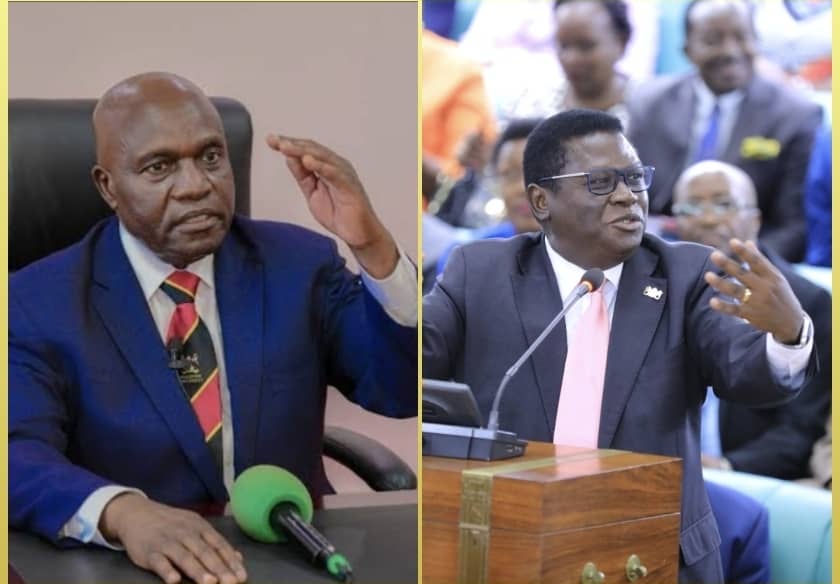 MAO TO MWENDA: You Cannot Beat People In Basements And Call It Transformation. Dr. KIYONGA Backs Him In Parliament.
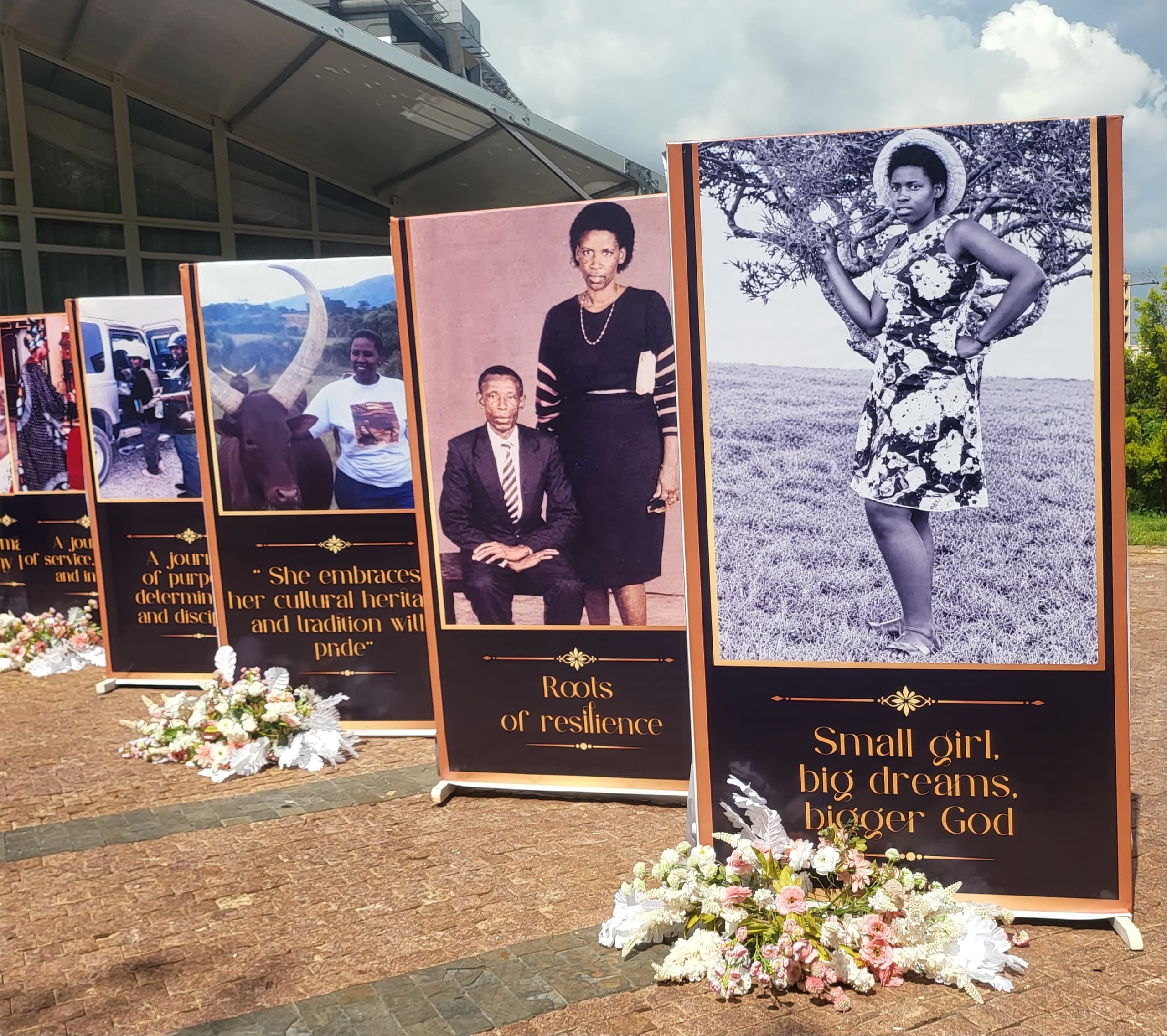 Dr. KELLEN KAYONGA: The Woman Who Needs No Title To Lead- Honoured At Glamorous Serena Dinner.
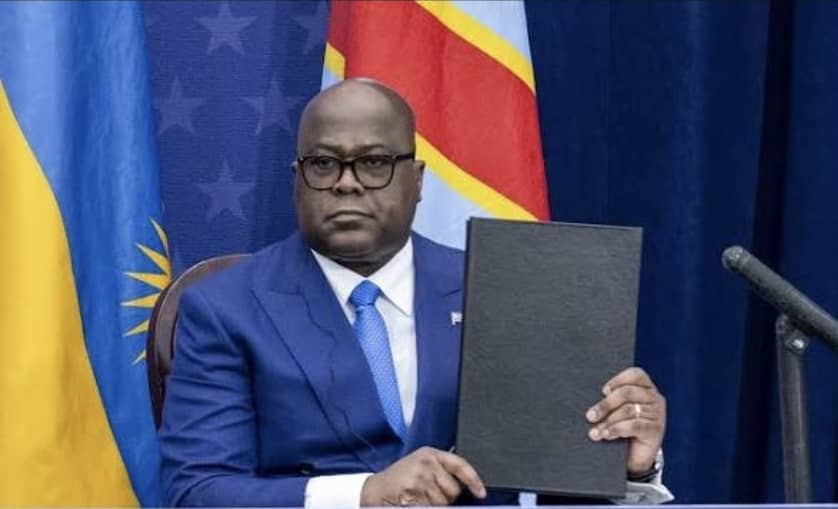 10 YEARS IN JAIL FOR RIGGING ELECTIONS: Who Will Punish The Powerful? Tshisekedi’s New Referendum Law Explained.
PS KUMUMANYA: FROM VILLAGE TEACHER TO ARCHITECT OF DECENTRALISATION- AND NOW TO THE BENCH.
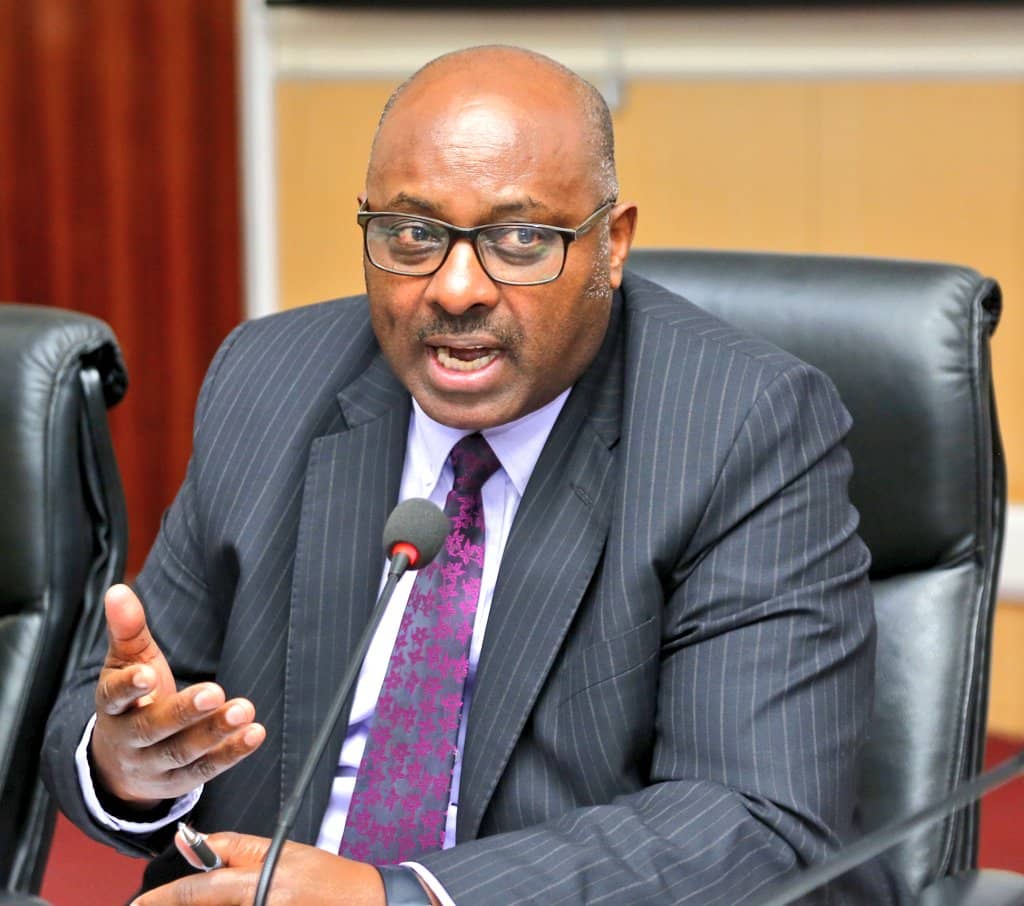
By Musa Rwamigoye .
Benjamin Kumumanya has spent much of his public service career dealing with the structures closest to ordinary Ugandans villages, parishes, sub-counties, municipalities and districts.
Now, after more than three decades in local government administration, he is moving to a different institution, one whose work reaches the country’s courts, judicial officers and administration of justice.
Kumumanya has been redeployed as Permanent Secretary of the Judicial Service Commission (JSC) following President Yoweri Museveni’s latest changes to the leadership of the public service, announced on November 9, 2026.
He moves from the Ministry of Local Government, where he served as Permanent Secretary for about 10 years, replacing Dr. Rose Nassali Lukwago, who was retired in the same reshuffle. Dunstan Balaba has been assigned to take over at Local Government.
The transfer marks a significant shift in his administrative responsibilities, from coordinating local government structures and programmes to managing the secretariat of a constitutional body involved in judicial recruitment, discipline and complaints.
A CAREER BUILT FROM THE GROUND UP.
Kumumanya’s career in public administration dates back to 1997, when he served as Senior Assistant Secretary in the Local Councils Development Department of the Ministry of Local Government.
In 1999, he became Principal Assistant Secretary in the District and Urban Administration Department, a position he held until 2008.
He subsequently served as Assistant Commissioner for District Administration before moving to the Office of the Prime Minister and the Ministry of Foreign Affairs, where he worked as Undersecretary between 2009 and 2016.
In 2016, he was appointed Permanent Secretary of the Ministry of Local Government, a position he held until his latest redeployment.
His academic background includes a Bachelor of Arts in Political Science and Public Administration, a Master of Arts in Development Studies and a Postgraduate Diploma in Governance, Democratisation and Public Policy, all from Makerere University.
Over the years, his work has placed him at the centre of the implementation of Uganda’s decentralised governance framework, through which administrative and development responsibilities are distributed across local government structures.
Kumumanya hails from Ibaare-Omungyenyi, Rushenyi County, Ntungamo District.
At the burial of Kumumanya’s mother, Mukyara Juliet Jonah Batebekyera, in August this year, Rushenyi County MP Naome Kabasharira described him as one of the officials who helped shape the system in the early 1990s.
“In 1993, he was one of the architects of decentralisation in local government and he is of undisputed integrity in service,” Ms Kabasharira said.
THE 1988 STORY: HOW KUMUMANYA AND MUGISHA LEFT TOWN FOR THE VILLAGE.
But long before the titles and offices, there was a defining moment in 1988.
In 1988, Rev. Canon Dr. Sam Rubunda mobilized and recruited both PS Ben Kumumanya and Presidential Advisor Ondogo Mugisha to leave town life and go to Nyabushozi – Nshwerekye to teach at Kaaro High School, historically known as Rwamasha High School.
At that time, Rubunda was a member of the Ranch Restructuring Board, where Hon. Nasasira was the Chairman of the Board.
It is recorded that meetings of the Ranch Restructuring Board would take place at State House, and it was there that Rubunda informed the President how he had landed on young patriots who wished to go back and boost education in the deep areas of Nyabushozi.
It is noted that President Museveni was happy and immediately ordered Rubunda to bring those patriots to him for a cup of tea.
President Museveni was challenged seeing young educated Banyankole boys humbly accepting to leave town life and move deep down into the village to educate their young brothers and sisters.
It is recorded that at that time, employment demand was high to the extent that whoever finished from Makerere would automatically get a good-paying job.
Therefore, President Museveni was shocked to see these two boys with the vigour of going back to the village.
Joy Biraro, a daughter to the late Mzee Rutamwebwa and wife of the late Major General Biraro, rejected the proposal from Rubunda to go back to the village and teach at Rwamasha High School with Mugisha Odongo and Kumumanya Ben, who had accepted the request.
Surprisingly, Mugisha Odongo had already filled recruitment papers to join the Airforce and Ben Kumumanya was going to be retained as an Assistant Lecturer at Makerere after graduating from Makerere University.
Both Ben Kumumanya and Odongo Mugisha were residents of Lumumba Hall.
However, Ben Kumumanya left Rwamasha High School and went back to Kampala, but Odongo Mugisha stayed and ended up becoming the Headmaster.
Ben Kumumanya and Mugisha Odongo taught at Rwamasha High School with Mr. Paul Tandeka J.K. and Independence.
Mugisha Odongo is a young brother of Gen. David Muhoozi, former CDF. Currently, Mugisha is serving as Presidential Advisor on the Kanyaryeru Resettlement Scheme.
THE PDM YEARS.
In recent years, one of the most prominent programmes under the Ministry of Local Government has been the Parish Development Model (PDM), which places the parish at the centre of government efforts to move households from subsistence production into the money economy.
Under the programme, government provides Shs100 million annually to each parish, with the parish chief serving as a key technical officer in coordinating implementation, monitoring and accountability.
Kumumanya became one of the senior public officials associated with the programme’s implementation, regularly engaging local government leaders on their responsibilities in ensuring that the funds reach intended beneficiaries.
In October 2026, during the induction of LC1 and LC2 leaders in Makindye-Ssabagabo Municipality, he urged the local leaders to protect PDM funds, strengthen village governance and promote competition in sanitation and hygiene.
ROADS, MARKETS AND AGRO-PROCESSING.
His work also extended beyond the PDM.
Under the National Oilseeds Project, which began in July 2021, the Ministry of Local Government has been involved in efforts to construct approximately 2,500 kilometres of community access roads across 81 districts over seven years.
At a February 2026 steering committee meeting, Kumumanya linked the roads to the second pillar of the PDM, arguing that improved access would reduce transport costs and connect farmers to markets.
He also oversaw ministry engagements on infrastructure and local economic development projects.
In Kamwenge, for instance, the construction of the Central Market began in August 2022 with a budget of Shs3 billion, including Shs1.2 billion for the first phase. Kumumanya assured vendors that the project would be completed once the necessary funding was secured, while attributing delays partly to the reallocation of funds to the PDM.
Another initiative was the Local Economic Growth Support Project, under which Shs7.87 billion was allocated in August 2022 to establish agro-processing facilities in seven districts to support value addition in agricultural produce, including oilseeds, coffee, rice and maize.
His engagement with Parliament also brought attention to the challenges facing local agro-processing. In March 2024, he told legislators that 279 agro-processing facilities established under the Community Agricultural Infrastructure Improvement Programme had experienced significant sustainability problems, with about 40 percent reportedly failing.
He cited high electricity costs, limited private-sector continuity and inadequate supplies of raw materials among the factors affecting their operations, arguing that the PDM could help strengthen the production base.
CLIMATE FINANCING AND LOCAL REVENUE.
Kumumanya also participated in the expansion of climate adaptation financing through the Local Climate Adaptive Living Facility (LoCAL), which supports local governments to plan and implement climate-resilient development projects.
In April 2026, the programme was reported to have expanded from four pilot districts in 2023 to 24 districts, supported by funding that included a contribution of $23.4 million from Denmark.
In October 2026, he was also credited with mentoring local leaders in Makindye-Ssabagabo, where the municipality reported collecting Shs3.8 billion in local revenue during the first quarter of the 2026/27 financial year.
A NEW TEST AT THE JSC.
At the Judicial Service Commission, Kumumanya will be taking charge of the administrative machinery supporting an institution with a constitutional mandate over judicial appointments, discipline and the administration of justice.
The Commission advises the President on appointments to senior judicial offices, including those of the Chief Justice, Deputy Chief Justice, Principal Judge and judges of the superior courts. It also appoints and disciplines other judicial officers, receives complaints about the Judiciary and advises government on improving the administration of justice.
The move takes Kumumanya from a ministry whose work is visible in thousands of villages and parishes to an institution whose decisions and administrative processes help shape the country’s justice system.
His career has traversed local councils, district administration, central government coordination and development programmes. His new assignment will test that administrative experience in a very different institutional setting.
Leave a Comment
Your email address will not be published. Required fields are marked *