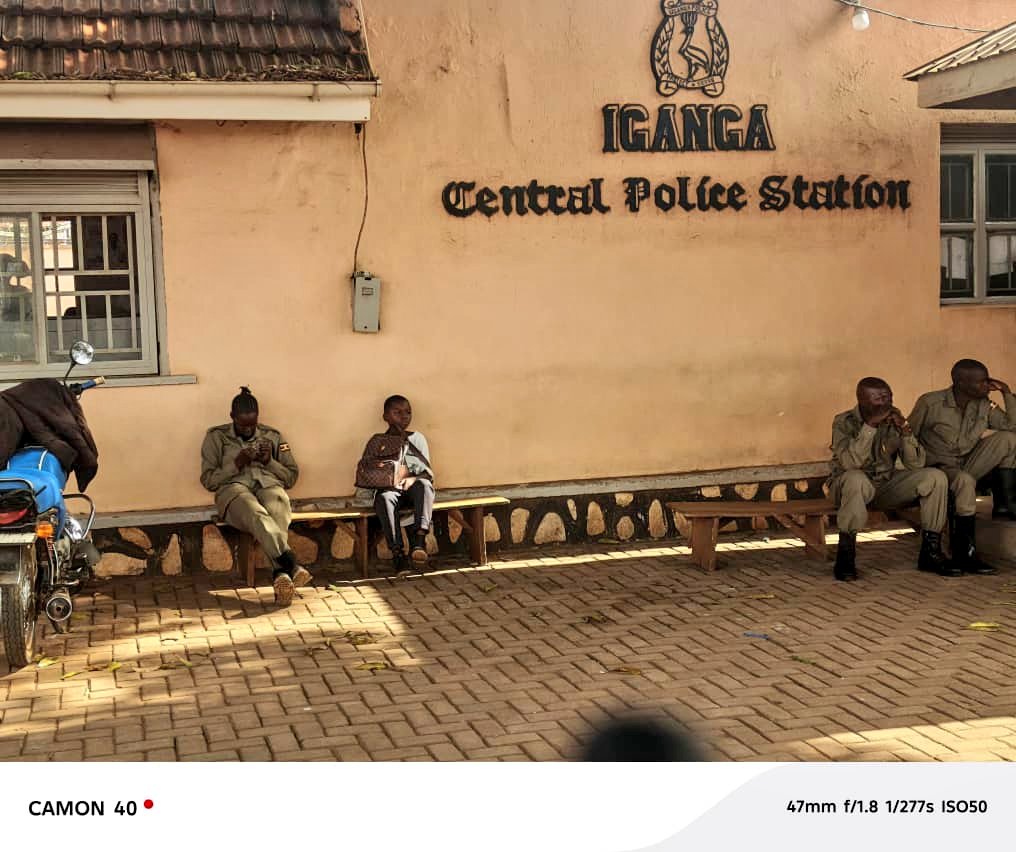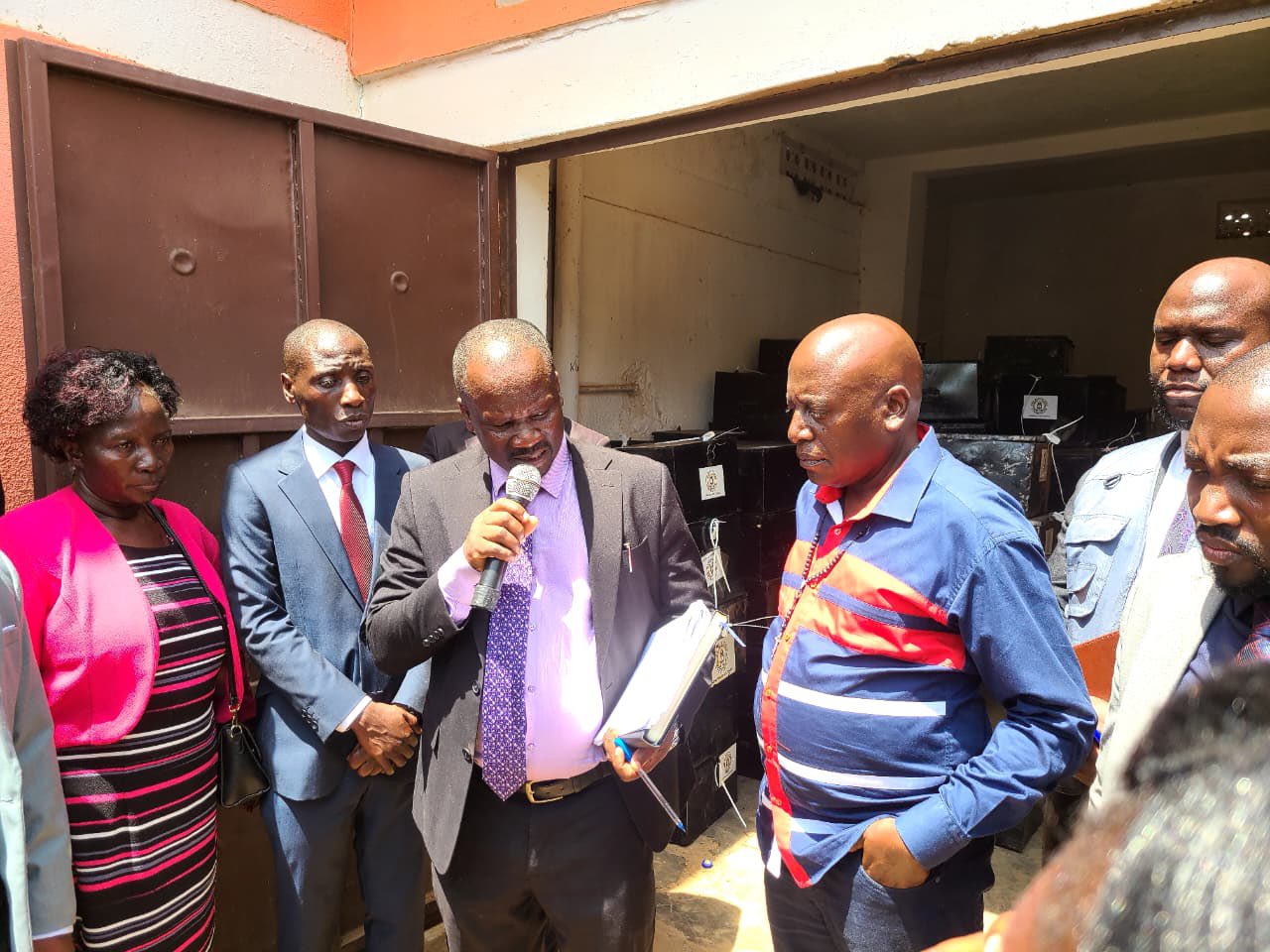
 SHS296M GONE? NDA Spokesman Abiaz Rwamwiri, Faces Court Over Fake Accountabilities.
 H.E MUSEVENI AND H.E SAMIA SEAL THE OIL DEAL: EACOP 93.9% DONE, SGR NEXT
 MAO TO MWENDA: You Cannot Beat People In Basements And Call It Transformation. Dr. KIYONGA Backs Him In Parliament.
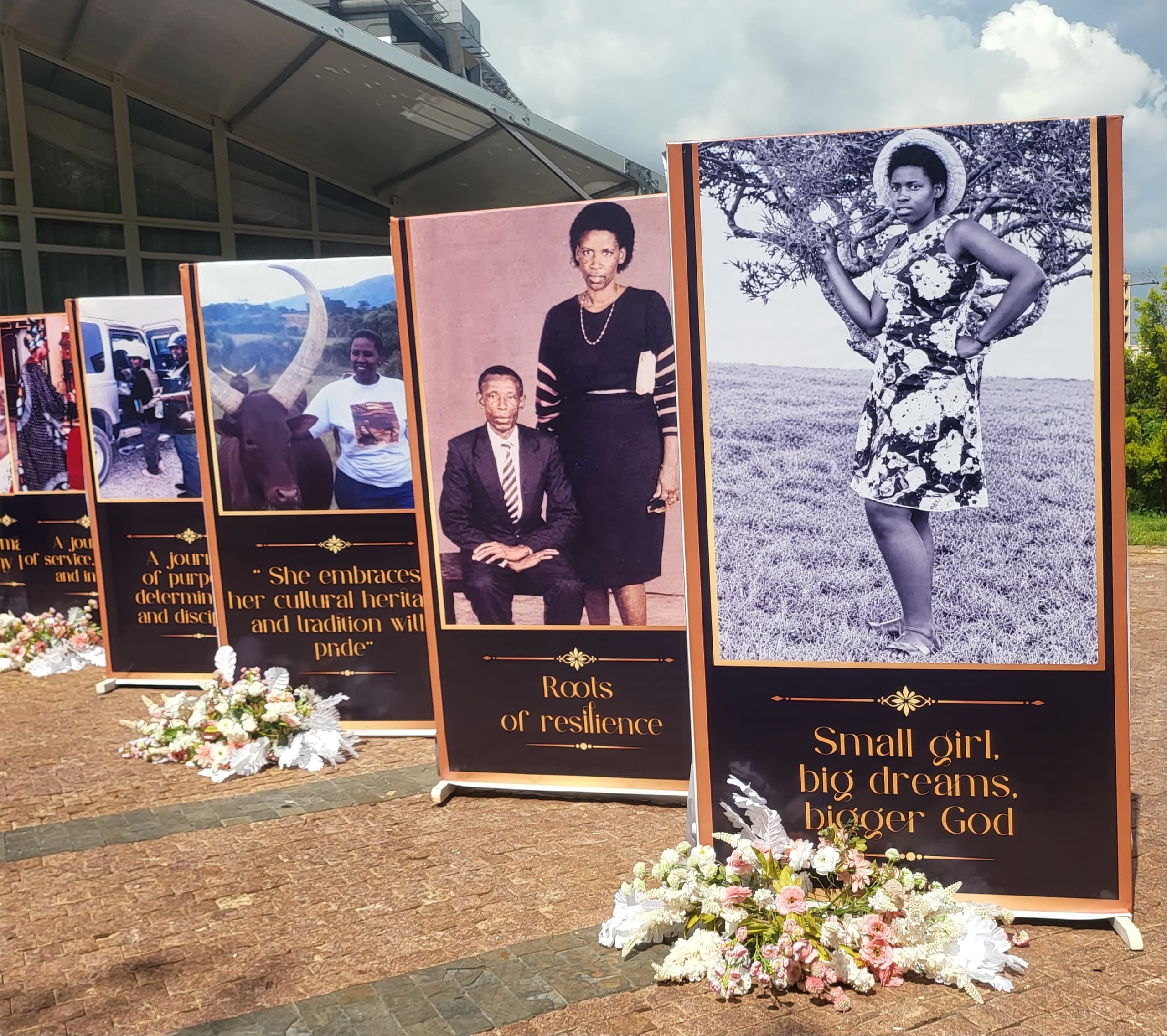 Dr. KELLEN KAYONGA: The Woman Who Needs No Title To Lead- Honoured At Glamorous Serena Dinner.
 10 YEARS IN JAIL FOR RIGGING ELECTIONS: Who Will Punish The Powerful? Tshisekedi’s New Referendum Law Explained.
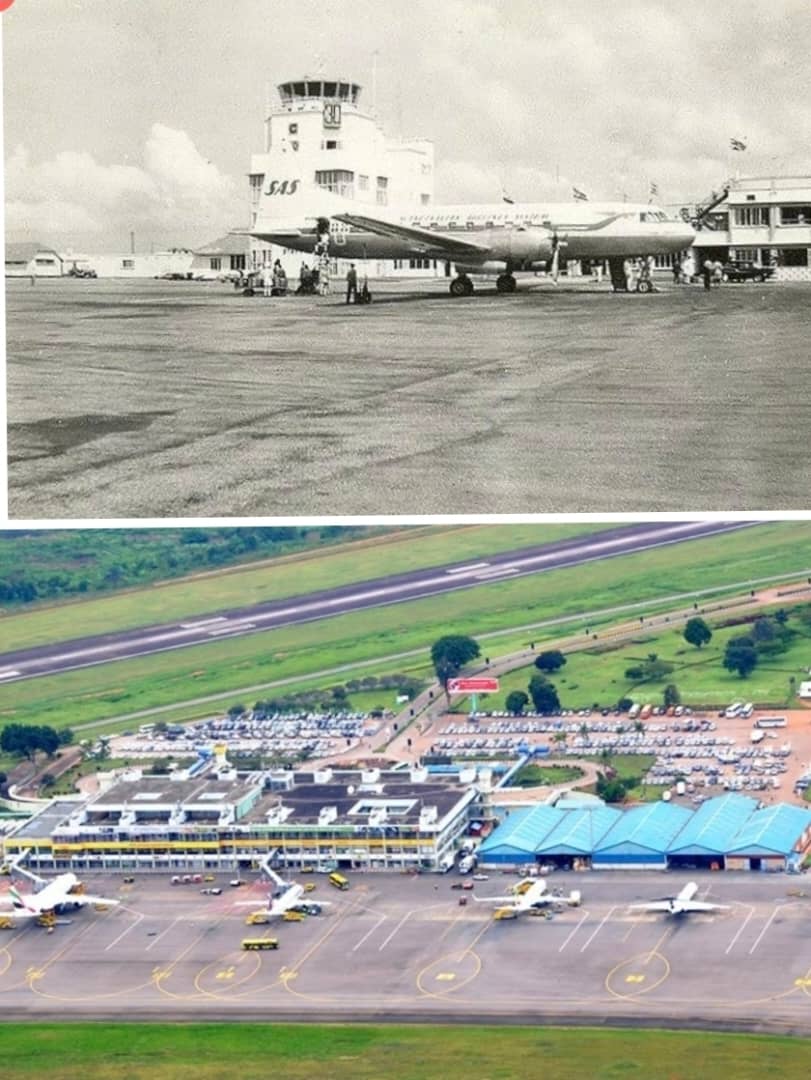
ENTEBBE INTERNATIONAL AIRPORT: The 74-Year Story of Glory, War, Tragedy and Rebirth.
By Musa Rwamigoye.
Entebbe International Airport was officially opened on November 10, 1951, marking a significant milestone in Uganda’s aviation history and establishing the facility as the largest airport on the African continent at the time.
The airport was developed during British colonial rule after authorities identified Entebbe’s strategic location on the shores of Lake Victoria as an ideal centre for international aviation. Its construction followed the selection of the site in 1947, with the project intended to replace primitive landing strips with a modern international airport capable of accommodating the growing demands of commercial aviation.
Entebbe had already played an important role in African aviation during the 1920s and 1930s, when British Imperial Airways operated flying boats that landed on Lake Victoria. The aircraft served historic mail and passenger routes connecting Southampton in England to destinations in South Africa.
The airport was formally reopened after its facilities had been extended. Runway 12/30 was now 9,900 feet (3,000 m), in preparation for services by the de Havilland Comet.
Queen Elizabeth II subsequently visited the airport during her 1952-1954 royal tour, further reinforcing its position as an important international aviation landmark.
As commercial aviation expanded, Uganda embarked on another major development in the early 1970s. The new main terminal building of the airport was designed by Yugoslav-Montenegrin architect Aleksandar Keković and built by Energoprojekt in the 1972-1973 period.
The Old Entebbe Airport is used by Uganda’s military forces. It was the scene of a hostage rescue operation by Israeli Sayeret Matkal, dubbed Operation Entebbe, in 1976 after an Arab-German hijacking of Air France Flight 139 following a stopover in Athens, Greece, en route to Paris from Tel Aviv.
The scene of that rescue was the old terminal, which has been demolished, except for its control tower and airport hall. According to a 2006 published report, plans were made to construct a domestic passenger terminal at the site of the old airport.
The airport was partially destroyed in April 1979 when it was captured by Tanzanian forces during the Uganda-Tanzania War. The damage necessitated structural repairs and rehabilitation during the 1980s.
Accidents and Incidents.
On 30 April 2000, a McDonnell Douglas DC-10 operated by DAS Air Cargo and registered as N800WR overran the runway on landing at Entebbe. All 7 people on board survived but the aircraft was destroyed and written off. The aircraft ended in Lake Victoria.
On 9 March 2009, an Aerolift Ilyushin Il-76, registered as *S9-SAB, crashed into Lake Victoria just after takeoff from Entebbe Airport. Two of the engines caught fire on take-off and the resulting crash resulted in the deaths of all 11 people on board. The aircraft had been chartered by Dynacorp on behalf of the African Union Mission to Somalia. The accident was investigated by Uganda’s Ministry of Transport, which concluded that all four engines were time-expired and that Aerolift’s claim that maintenance had been performed to extend their service life or that the work had been certified could not be substantiated.
In September 2023, Entebbe International Airport together with the Uganda Civil Aviation Authority and Uganda Airlines underwent the ICAO Oversight Safety Audit.
Decades later, the Uganda Civil Aviation Authority embarked on a multi-phase modernisation programme beginning in 2015. The works included runway rehabilitation, expansion of cargo-handling facilities, improvements to the international passenger terminal, and construction of additional parking and access infrastructure.
Further expansion works have continued into the 2020s as Uganda seeks to strengthen Entebbe’s capacity to handle growing passenger and cargo traffic and consolidate its position as a regional aviation hub.
More than seven decades after its opening, Entebbe International Airport remains Uganda’s principal gateway to international air travel.
Related Post



Leave a Comment
Your email address will not be published. Required fields are marked *