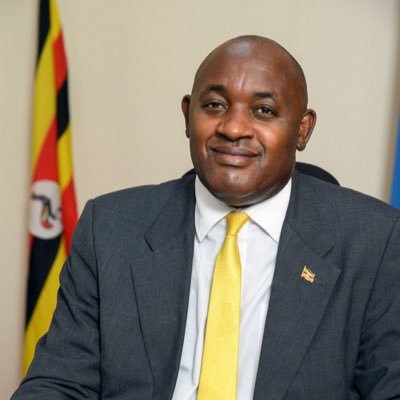
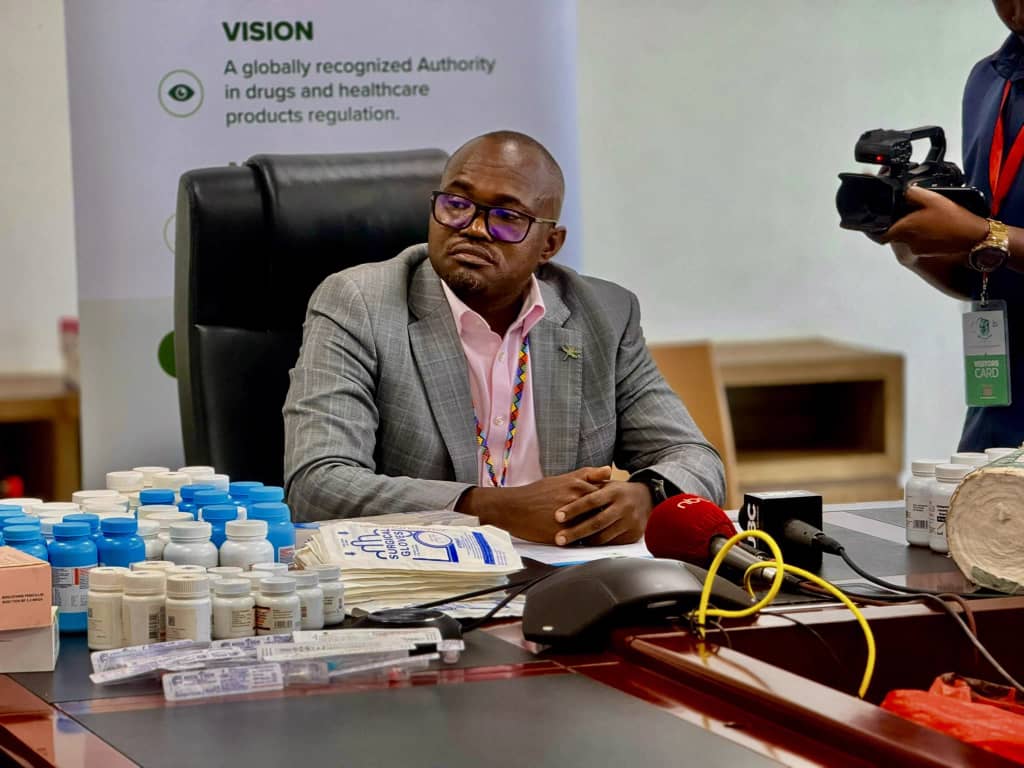
 SHS296M GONE? NDA Spokesman Abiaz Rwamwiri, Faces Court Over Fake Accountabilities.
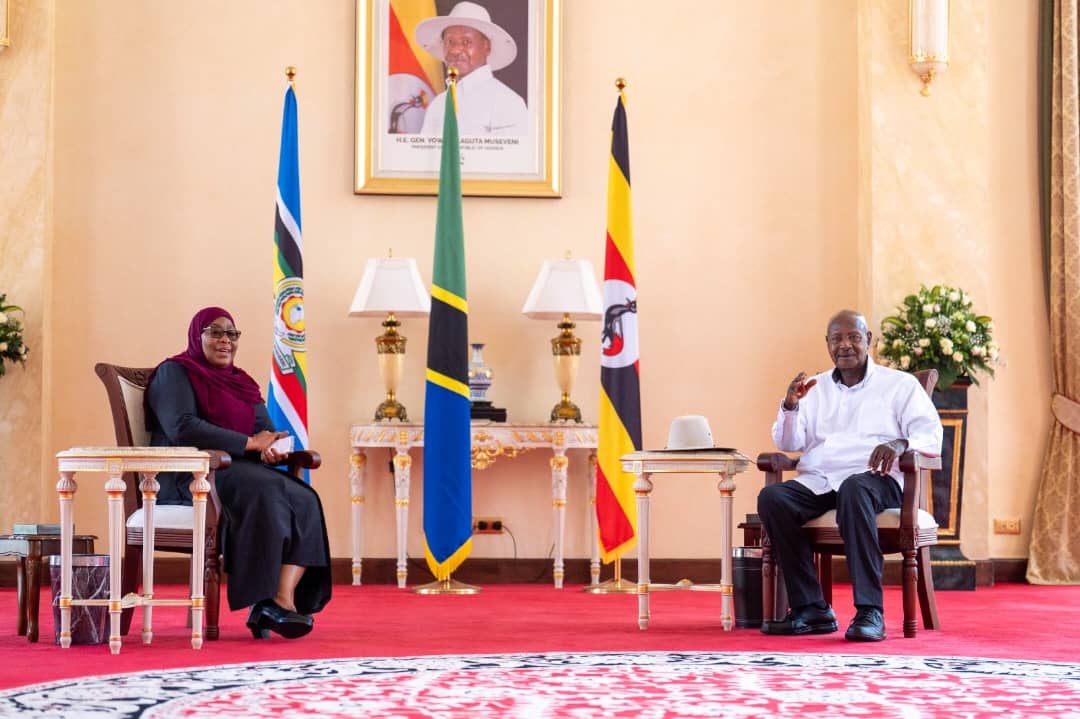 H.E MUSEVENI AND H.E SAMIA SEAL THE OIL DEAL: EACOP 93.9% DONE, SGR NEXT
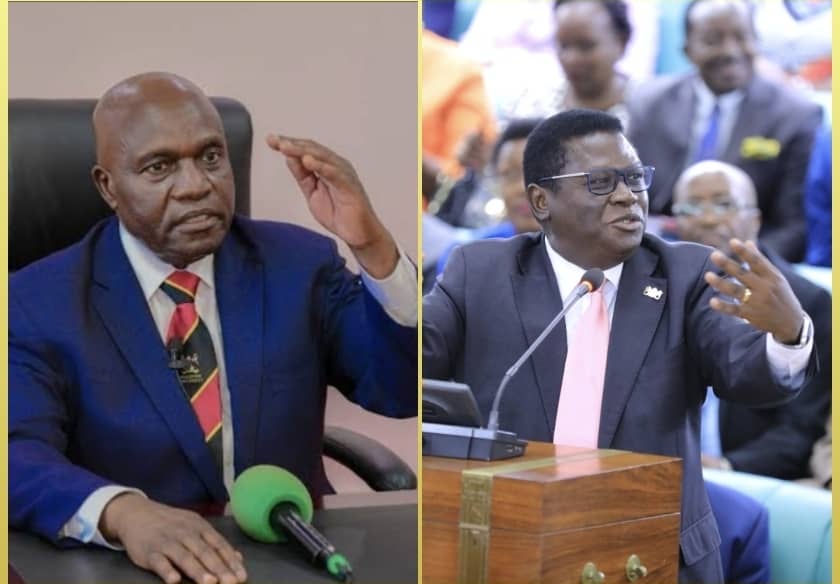 MAO TO MWENDA: You Cannot Beat People In Basements And Call It Transformation. Dr. KIYONGA Backs Him In Parliament.
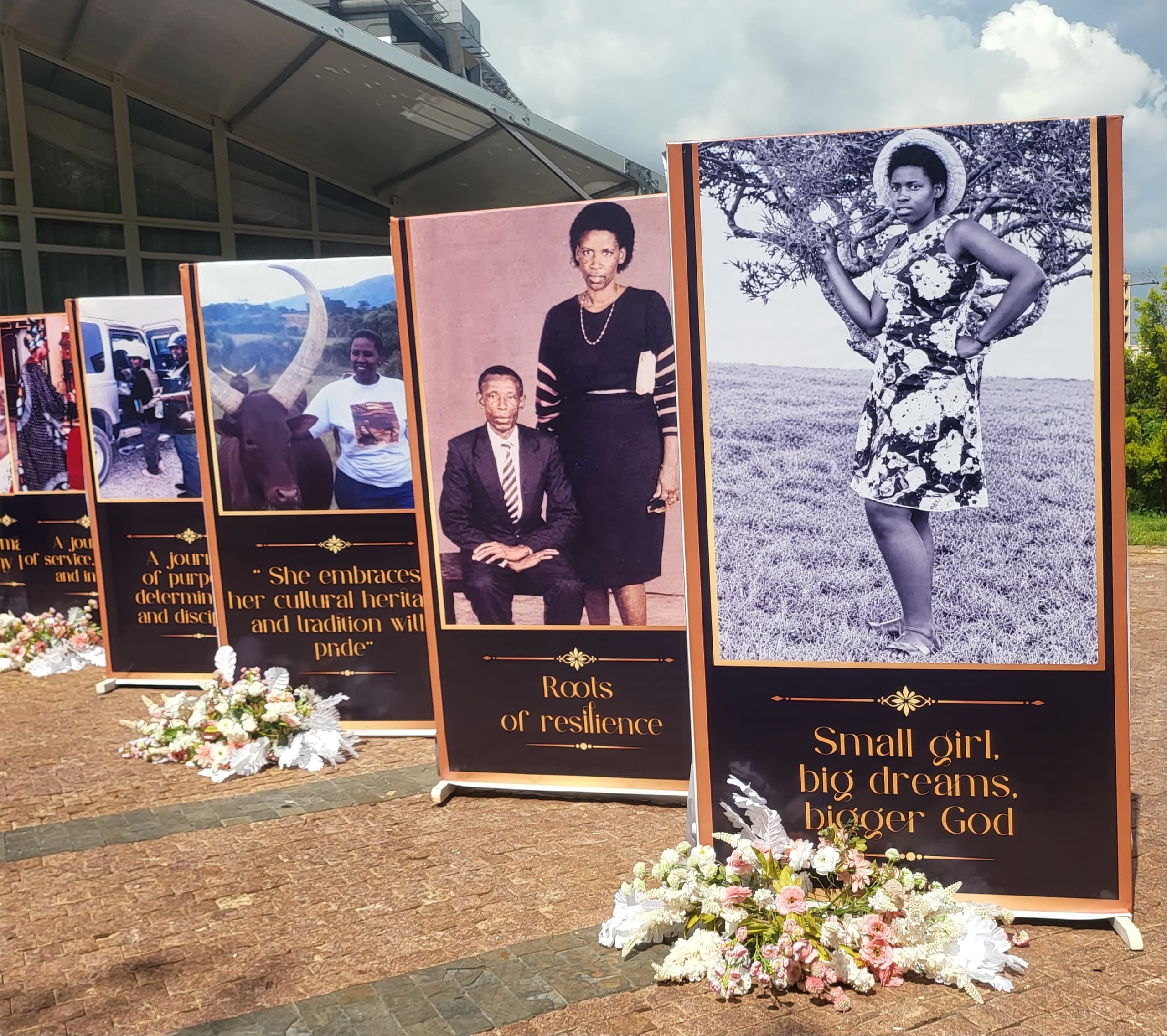 Dr. KELLEN KAYONGA: The Woman Who Needs No Title To Lead- Honoured At Glamorous Serena Dinner.
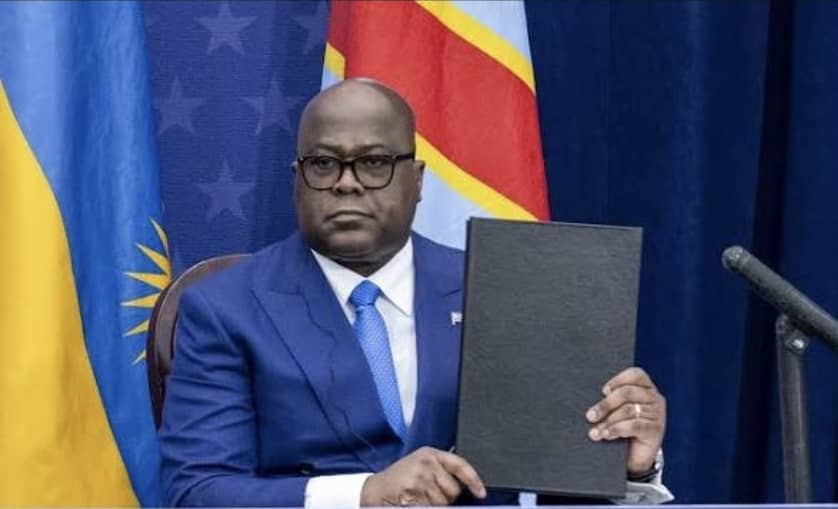 10 YEARS IN JAIL FOR RIGGING ELECTIONS: Who Will Punish The Powerful? Tshisekedi’s New Referendum Law Explained.
SOMALIA IN CONSTITUTIONAL CRISIS: SUPREME COURT NULLIFIES TERM EXTENSIONS, ORDERS ELECTIONS IN 90 DAYS
By Musa Rwamigoye.
Mogadishu 5th November 2026.
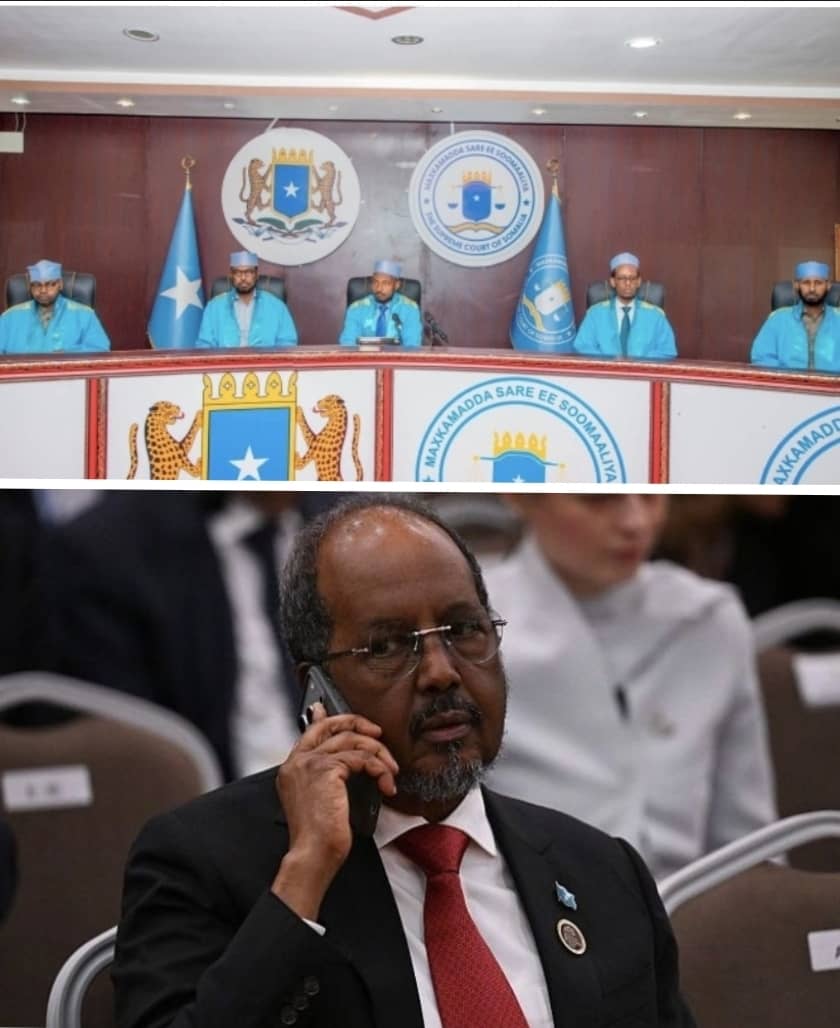
Somalia has been plunged into a full-blown constitutional crisis after the Supreme Court invalidated term extensions for President Hassan Sheikh Mohamud and Parliament, ordering fresh elections within 90 days and directly challenging a government timetable that had set national polls for April and May 2027.
In a landmark ruling delivered on Wednesday, 5th November, the Court held that President Mohamud’s mandate expired on 15th May 2026, while the terms of both houses of Parliament, the House of the People and the Upper House ended on 14th April 2026.
The judgment followed a petition filed by former President Sheikh Sharif Sheikh Ahmed, challenging constitutional amendments that extended presidential and parliamentary terms from four to five years.
THR COURT’S REASONING.
In a nuanced decision, the judges upheld the procedure through which the amendments were adopted, but ruled that the changes could not apply retrospectively to extend the mandates of sitting incumbents.
In effect, the Court declared:
1. The five-year term may apply to future office holders, but not to the current President and Parliament.
II. All actions taken after the expiry of those mandates are unconstitutional.
III. The Cabinet may only perform limited caretaker functions to keep the State running until elections are held.
The Court directed political stakeholders to agree on an electoral framework within 30 days and to hold elections within 90 days.
The ruling also directly challenges the electoral commission’s previously announced timetable, which had set parliamentary elections for 15th April 2027 and the presidential election for May 2027
EXECUTIVE vs. JUDICIARY:
The ruling has placed the judiciary in direct confrontation with President Mohamud.
On the same day, the President announced that he had dismissed Chief Justice Bashe Yusuf Ahmed and replaced him with former Chief Justice Ibrahim Idle Suleiman.
The Supreme Court swiftly rejected the dismissal as “null and void”, accusing the presidency of attempting ”to obstruct the administration of justice in the constitutional case filed before the Supreme Court.”
The standoff now raises a fundamental question of constitutional order. Can the Executive remove the head of the judiciary in the middle of a case against the Executive itself?.
GOVERNMENT DEFENCE;
Mohamud’s administration has defended the extended timetable as necessary to implement electoral reforms and move Somalia from an indirect, clan-based voting system to universal suffrage one person, one vote.
Government officials argue that organising direct elections for the first time in over five decades requires time for voter registration, delimitation of constituencies, security planning, and civic education.
Critics counter that reform cannot be used as a pretext to prolong power without a fresh popular mandate.
OPPOSITION PUSHBACK:
Opposition leaders, including former Presidents Sharif Sheikh Ahmed and Mohamed Abdullahi Farmaajo, have challenged the constitutional changes alongside the Puntland and Jubaland administrations, arguing that the process lacked broad political agreement.
For the opposition, the Court’s ruling is a vindication of a long-standing position: that constitutional reform in Somalia must be inclusive, negotiated, and consensual — not imposed by a narrow parliamentary majority.
Puntland and Jubaland, which have repeatedly clashed with Mogadishu over federalism and power-sharing, view the ruling as a check on central overreach.
SSECURITY TAKES: Al-Shabaab and AUSSOM Withdrawal
The confrontation comes at a perilous moment for Somalia’s security.
The country continues to battle Al-Shabaab and is preparing for a phased withdrawal of foreign troops, including Ugandan forces serving under the African Union Support and Stabilisation Mission in Somalia (AUSSOM).
The dispute risks complicating electoral preparations and security coordination as Somali forces assume greater responsibility for protecting the country.
Analysts warn that a prolonged political deadlock in Mogadishu could embolden Al-Shabaab, weaken command structures, and disrupt the transition timetable for AUSSOM’s drawdown.
What Next?
SOMALIA NOW FACES THREE POSSIBLE PATHS:
1. Compliance: Political stakeholders agree on an electoral framework within 30 days and organize polls within 90 days, as ordered.
2. Negotiated Settlement: The President, Parliament, opposition, and federal member states negotiate a political compromise that respects the Court’s ruling but adjusts the timeline.
3. Defiance and Crisis: The Executive refuses to implement the ruling, deepening the standoff between the presidency and the judiciary and risking institutional collapse.
For now, the Court has spoken. The question is whether politics will listen.
The supremacy of the Constitution has been asserted. Whether it will be upheld will define Somalia’s next chapter.

Leave a Comment
Your email address will not be published. Required fields are marked *