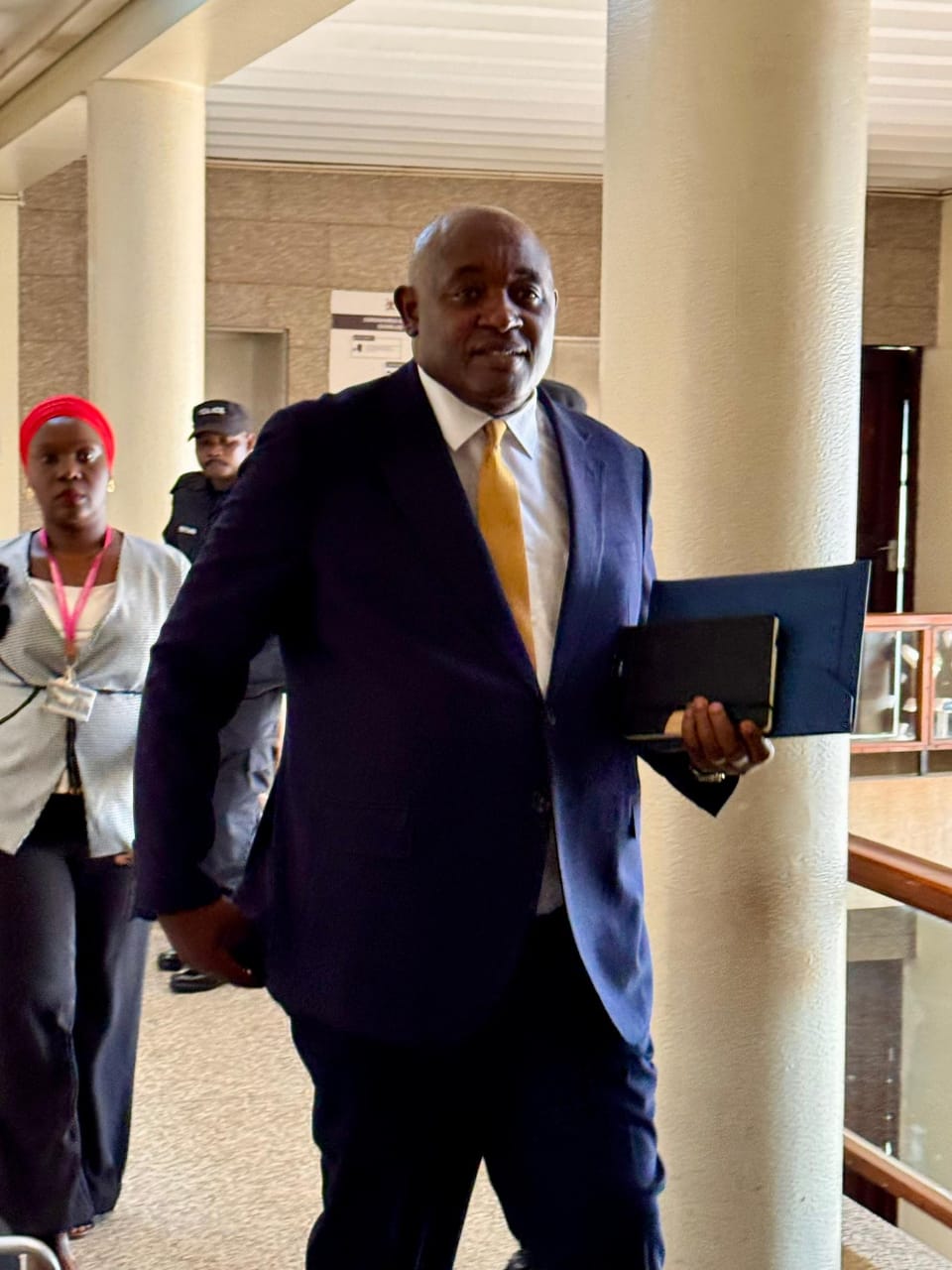
 SHS296M GONE? NDA Spokesman Abiaz Rwamwiri, Faces Court Over Fake Accountabilities.
 H.E MUSEVENI AND H.E SAMIA SEAL THE OIL DEAL: EACOP 93.9% DONE, SGR NEXT
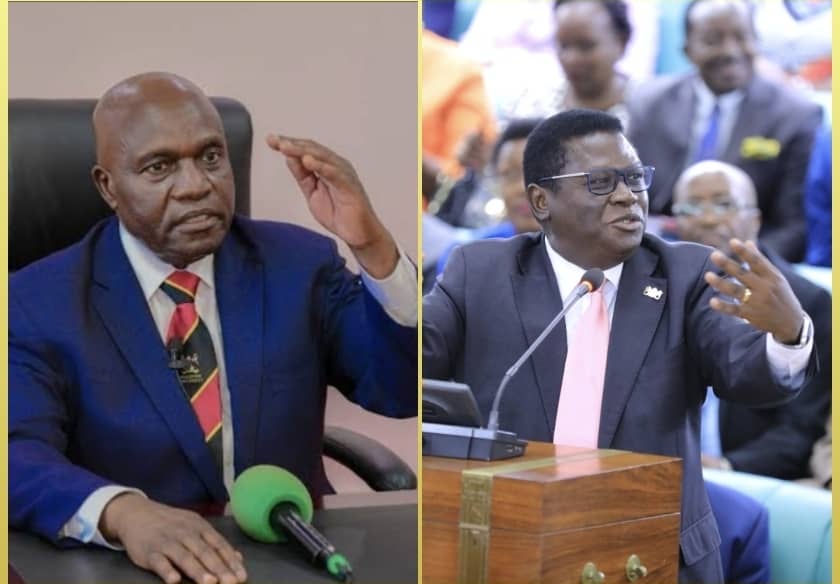 MAO TO MWENDA: You Cannot Beat People In Basements And Call It Transformation. Dr. KIYONGA Backs Him In Parliament.
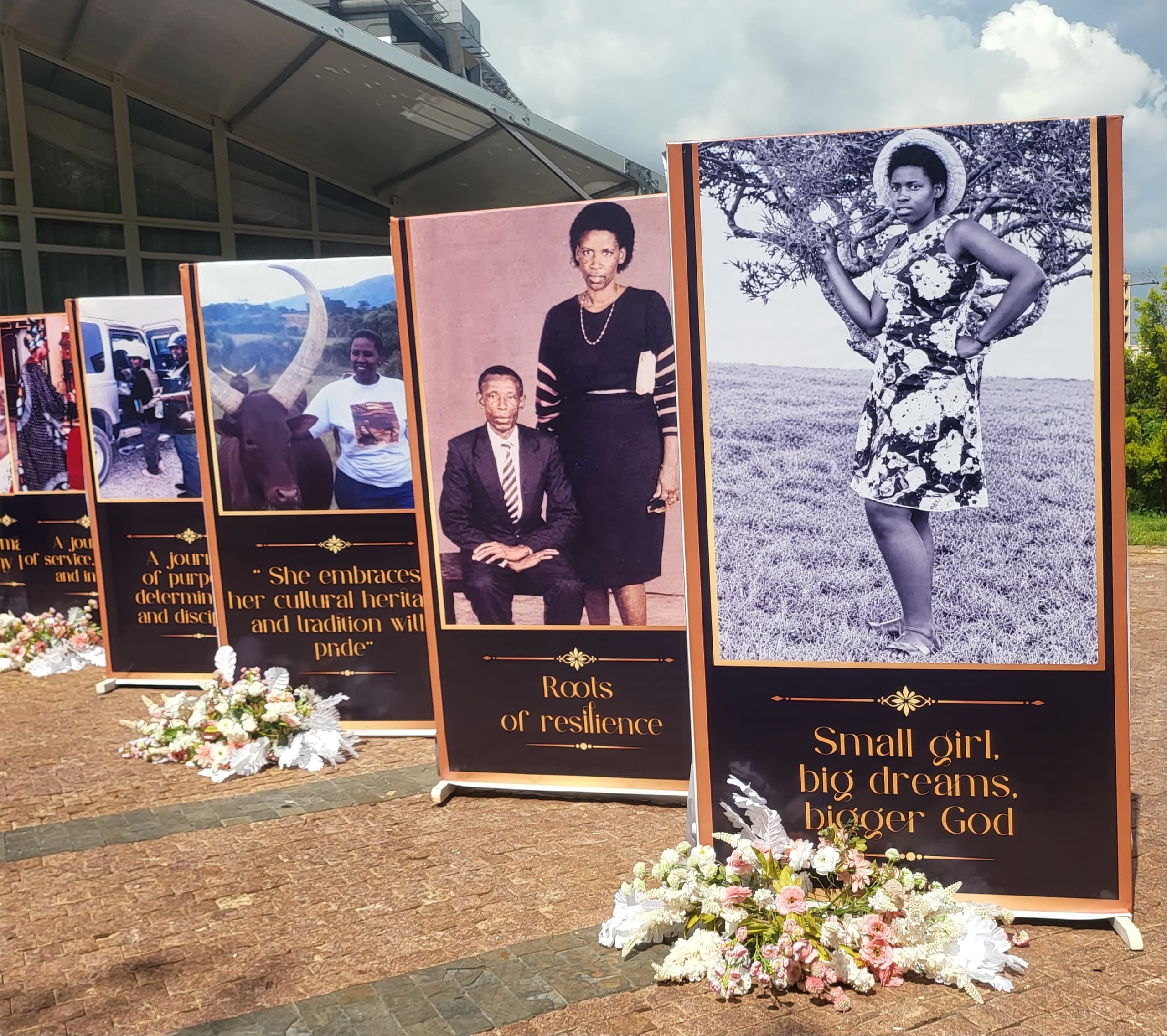 Dr. KELLEN KAYONGA: The Woman Who Needs No Title To Lead- Honoured At Glamorous Serena Dinner.
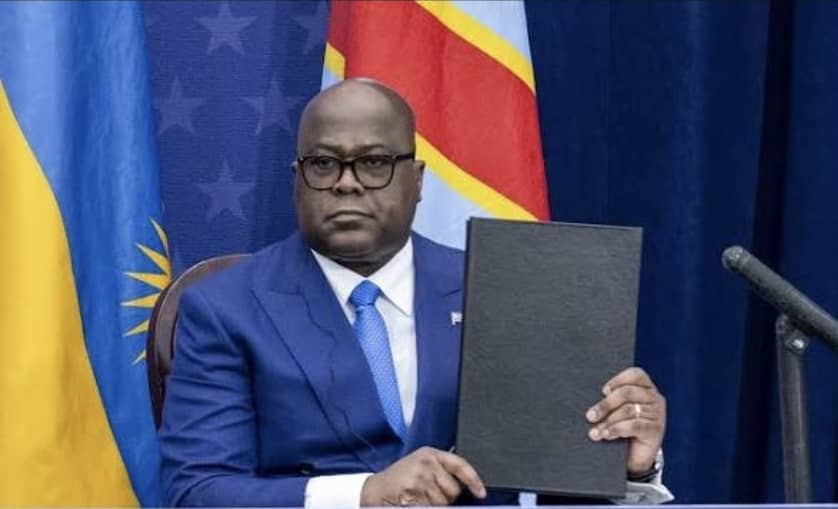 10 YEARS IN JAIL FOR RIGGING ELECTIONS: Who Will Punish The Powerful? Tshisekedi’s New Referendum Law Explained.
FROM NRM TO AFRICA: Todwong and Migiro Elected to Lead East Africa.
By Musa Rwamigoye.
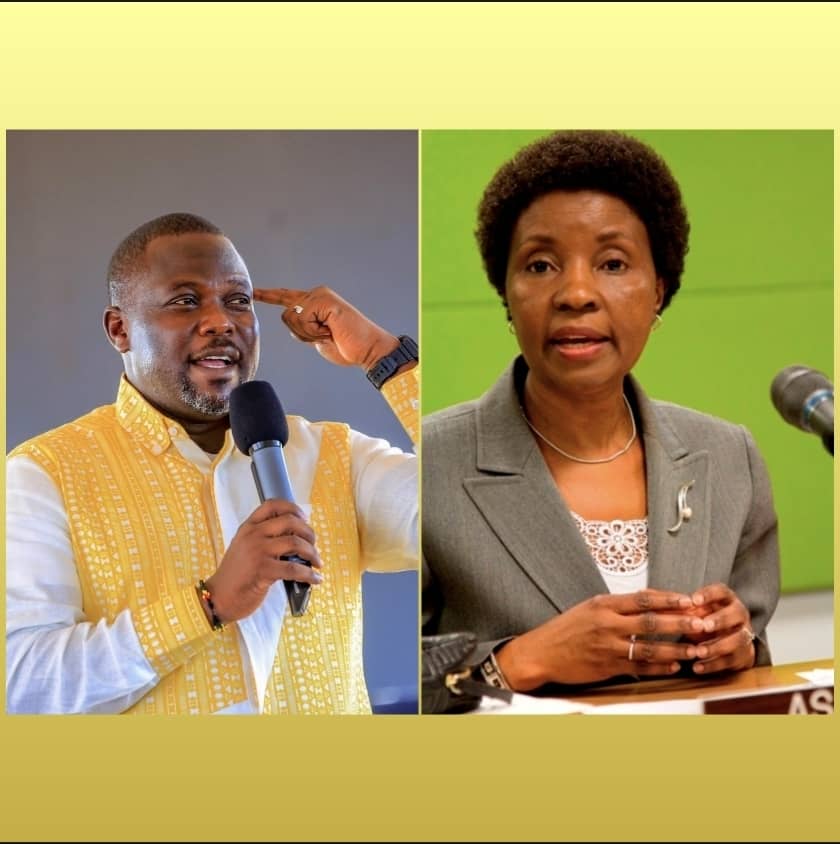
In a decisive moment for continental party diplomacy, the Council of African Political Parties (CAPP) has elected Uganda’s National Resistance Movement (NRM) Secretary General, Rt. Hon. Richard Todwong, and Tanzania’s Chama Cha Mapinduzi (CCM) Secretary General, Dr. Asha-Rose Migiro, as Vice Chairpersons representing East Africa. In other words, Nyerere’s Legacy Meets Museveni’s Legacy.
The election took place on 6th November 2026, on the margins of the Second African Political Parties Summit (APPS 2026), and places two of East Africa’s most experienced party administrators at the heart of the continent’s premier inter-party platform.
Mr. Todwong, together with Dr. Migiro, will serve as Vice Chairpersons in the Executive Committee of CAPP, an organisation comprising ruling parties in Africa as well as major opposition parties in their respective countries.
A New Mandate for Political Parties
The election was not an isolated ceremonial act. It was the political culmination of three days of intense deliberation in Addis Ababa.
The Second African Political Parties Summit (APPS 2026), held from 5–7 November 2026 at the Adwa Victory Memorial Museum, convened under the theme. “Governing for Growth: Political Parties as Architects of Africa’s Economic Future.”
Organised by Ethiopia’s ruling Prosperity Party in partnership with the Africa Governance Centre (AGC) through the African Political Parties Initiative (APPI), the Summit brought together more than 1,000 participants from over 20 African countries, representing political parties, governments, parliaments, the private sector, civil society, and youth and women organizations.
The central proposition was clear: Political parties must move beyond electoral competition and assume their historic responsibility as institutions of governance, policy formulation, leadership development, and long-term national transformation.
The Summit builds on the inaugural APPS held in Accra, Ghana, in 2025, which produced the Accra Declaration and established the platform for continued continental dialogue. The Addis Ababa gathering is expected to culminate in the Addis Ababa Declaration, a new set of shared commitments to guide parties in their respective countries.
LEADERSHIP ADDRESSES.
The Summit was held under the high patronage of H.E. Abiy Ahmed Ali, Prime Minister of the Federal Democratic Republic of Ethiopia.
In their addresses, Prime Minister Abiy Ahmed Ali and African Union Commission Chairperson H.E. Mahmoud Ali Youssouf underscored a converging continental consensus. Africa’s economic transformation will not be delivered by markets alone, nor by governments alone, but by disciplined, visionary political parties capable of translating manifestos into policy, policy into institutions, and institutions into prosperity.
Three priorities dominated the leadership discourse.
1. Economic Transformation and AfCFTA. The African Continental Free Trade Area (AfCFTA) was presented as the practical instrument for turning the vision of integration into economic reality, expanding intra-African trade, Industrialisation, and value addition.
2. Youth Participation. Through the African Youth in Politics Forum (AYPF), the Summit insisted that Africa’s demographic dividend must become a democratic dividend, with young people not merely mobilised for elections, but integrated into policy-making and leadership.
3. Women’s Leadership. Through the Africa Women Political Leadership Summit (AWPLS), delegates reaffirmed that inclusive governance is not a concession, but a precondition for sustainable growth.
The deliberations were firmly anchored in the African Union’s Agenda 2063, the vision of a prosperous, integrated and peaceful Africa driven by effective leadership, strong institutions and people-centred development.
WHY TODWONG AND MIGIRO MATTER.
The election of Todwong and Migiro is politically significant for three reasons.
First, experience. Todwong brings to CAPP the organisational machinery of the NRM, one of Africa’s longest-governing parties, with deep experience in mass mobilisation, party building, and translating a liberation movement into a governing institution.
Dr. Migiro brings a distinguished career of global statesmanship former Deputy Secretary-General of the United Nations, former Minister of Foreign Affairs of Tanzania, and the first woman to serve as Secretary General of CCM. Her presence signals a new era in which party leadership is measured not only by electoral strength, but by diplomatic gravitas, institutional reform, and gender-inclusive leadership.
Second, East African unity. By electing Uganda and Tanzania together, CAPP has affirmed the East African Community as a model sub-region for political cooperation, a region where governing parties can disagree on tactics but converge on the strategic imperatives of integration, stability, and growth.
Third, continuity. Their mandate is not ceremonial. As Vice Chairpersons, they will be charged with advancing the implementation of the Addis Ababa Declaration, strengthening inter-party dialogue, and ensuring that the resolutions of APPS do not remain declarations on paper, but become policies in parliaments, budgets, and communities.
THE BASELINE BEHIND TODWONG’S ELECTION: A DECADE OF PARTY STEWARDSHIP.
The election of Richard Todwong did not come from nowhere. It has a clear institutional baseline as a decade of steady, disciplined service inside the ruling National Resistance Movement.
Todwong served as Deputy Secretary General of the NRM from 2015 to 2021, six formative years in which he mastered the internal machinery of the party: mobilisation, structures, discipline, elections, and conflict management from the village to the national level.
In 2021, he was appointed full Secretary General of the ruling party, a position he holds to date. It is the highest administrative office in the NRM and its the engine room where policy, politics, and organisation meet.
That elevation was not accidental people may think, but it was the culmination of years of grooming and mentorship under General Yoweri Kaguta Museveni, a revolutionary leader and the founding architect of the NRM.
Under H.E Museveni’s tutelage, Todwong has gained profound knowledge in party handling and management vis-à-vis the art of building consensus, managing competing interests, sustaining a mass party over decades, and keeping a liberation movement relevant as a governing party in a changing Africa.
It is this combination of six years as Deputy, five years and counting as Secretary General, and a decade of direct mentorship from a revolutionary leader that made Mr. Todwong a natural choice for CAPP.
Africa did not just elect a man, it elected a tested institutional memory. Todwong brings to East Africa, and to the continent, the lived experience of running a ruling party not merely to win elections, but to govern, to stabilise, and to deliver.
In that sense, his election is a recognition of Uganda’s party-building model and of Museveni’s long investment in grooming a new generation of party managers who understand that a party is not an event, but an institution.
A HISTORIC BOND BETWEEN NRM AND CCM, FROM NYERERE TO MUSEVENI.
Behind the joint election of Todwong and Migiro lies a bond far deeper than protocol. It is a historic, ideological, and fraternal bond between Uganda’s NRM and Tanzania’s Chama Cha Mapinduzi (CCM).
That bond began way back in the days of Mwalimu Julius Kambarage Nyerere, the founding father of Tanzania and the conscience of African liberation.
History has it that Nyerere was the political and leadership mentor of President Museveni. President Nyerere fully mentored and supported Museveni during the formative struggles of FRONASA (Front for National Salvation) and later the UNLF (Uganda National Liberation Front) the movements that laid the foundation for Uganda’s liberation and for the eventual birth of the National Resistance Movement.
It was under President Nyerere’s Pan-African tutelage that Museveni absorbed the core principles that would later define the NRM: national unity over sectarianism, discipline over opportunism, ideology over mere power, and Pan-Africanism over narrow nationalism.
Today, we may say that history has come full circle.
President Museveni, as founder of the NRM, is now widely recognised as the Mzee of the East African Community “the elder statesman of the region” by virtue of his experience, his liberation credentials, and having headed Uganda for 40 years.
If the founder is the Mzee of East Africa, then the Secretary General of his party cannot be ordinary. He must be a top-notch political manager who is well tested, disciplined, and capable of carrying a revolutionary legacy into a modern governing institution.
That is precisely what Mr. Todwong Richard represents.
His election alongside CCM’s Secretary General is therefore not a coincidence. It is history speaking. President Nyerere’s legacy meeting President Museveni’s legacy. It is the two sister parties born from the same liberation struggle, shaped by the same Pan-African mentorship and now jointly entrusted to lead East Africa in CAPP.
The NRM-CCM bond is not just historical nostalgia. It is a living political alliance, and in Addis Ababa, it was given continental institutional expression.
Related Post

Leave a Comment
Your email address will not be published. Required fields are marked *