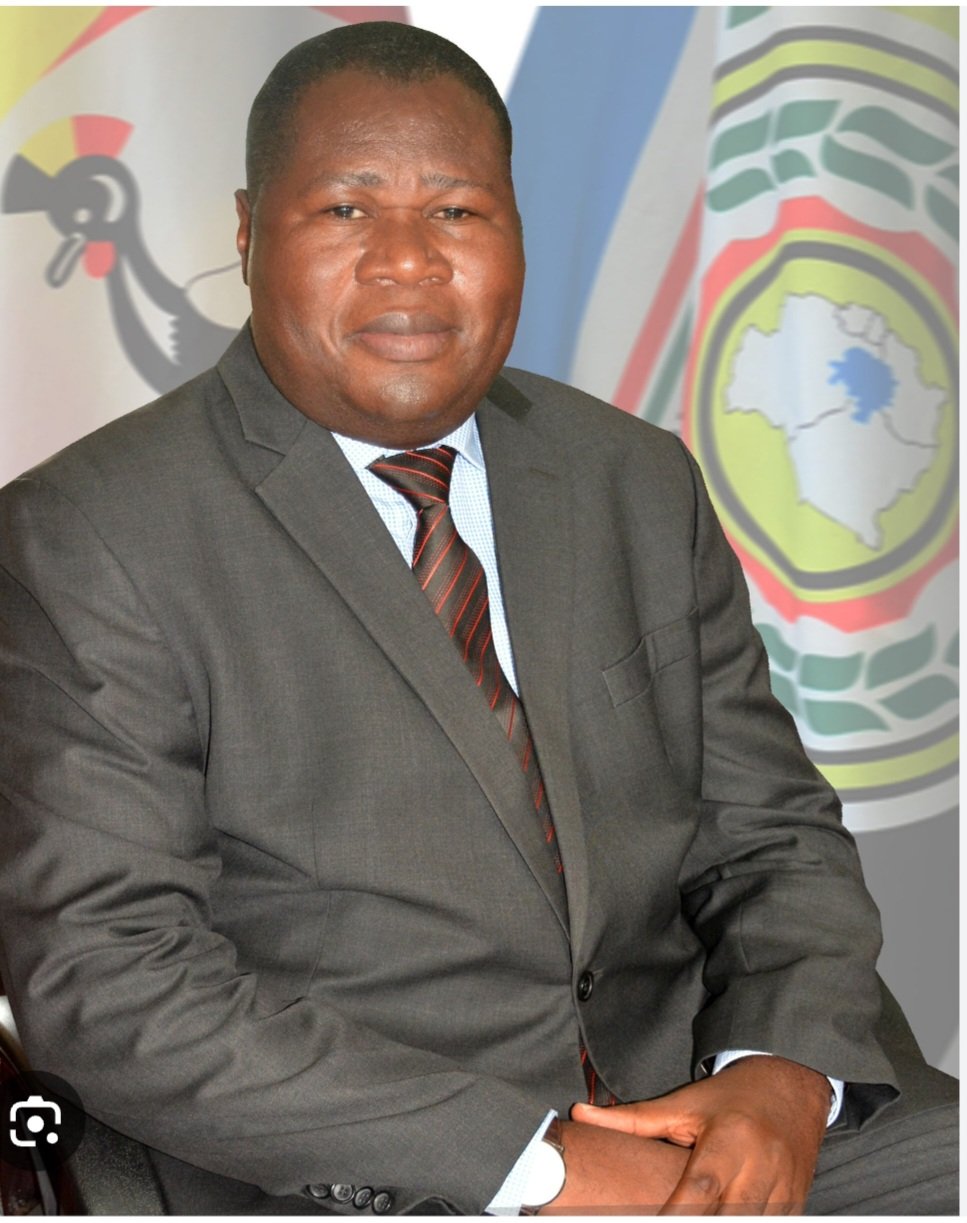
 HON MINISTER LYDIA WANYOTO, HON. JAMES KABERUKA ENCOURAGE KAMPALA PARENTS TO TAKE LEARNERS TO KAMPALA STANDARD NURSERY AND PRIMARY SCHOOL KYANJA FOR HOLISTIC LEARNING EXPERIENCE.
 BOY FROM THE HILLS OF NYARUSHANJE NOW CHIEF JUSTICE: Zeija Thanks God, Museveni. H.E MUSEVENI TO KIGEZI: Education Must Go Hand In Hand With Wealth Creation.
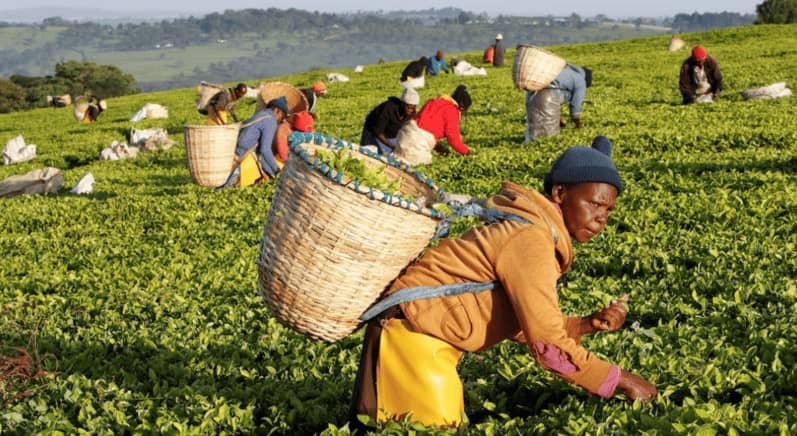 TEA FARMERS WIN BIG! GOVT RELEASES Shs 89BN TO RESCUE TEA SECTOR: AS HON. KARIISA KOY PUSHES TEA BILL FROM SEEDLING TO CUP
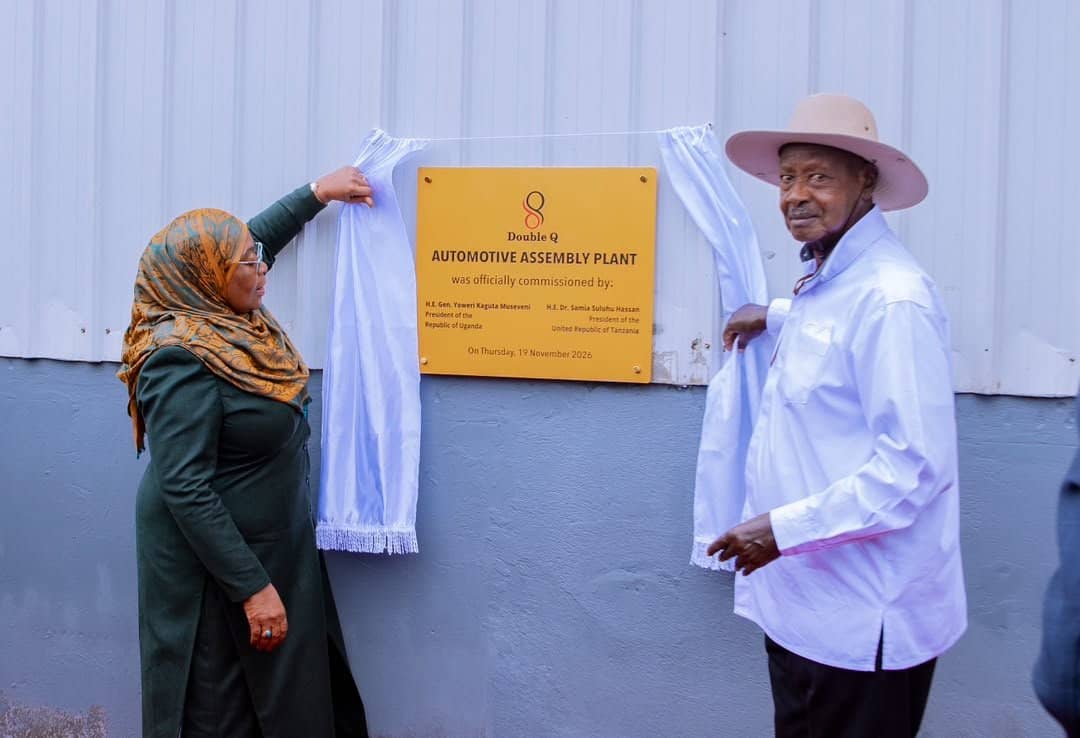 EAST AFRICA MUST COMPETE WITH THE WORLD, NOT ITSELF. H.E MUSEVENI & H.E SAMIA LAUNCH $30M TRUCK PLANT – UGANDA TO BUILD 4,000 TRUCKS A YEAR
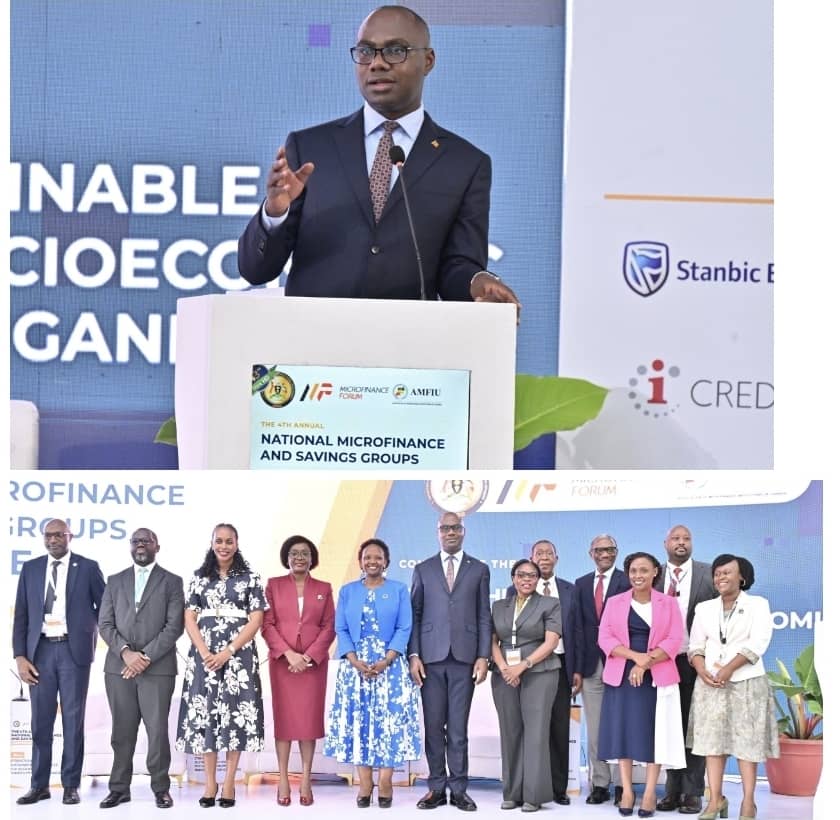 GOVT HAS PUT TRILLIONS IN YOUR HANDS, BUT MANY UGANDANS DON’T KNOW: MUSASIZI AND MUSHERURE TELL SACCOs TO SHOUT LOUDER.
Ggoobi Announces $70bn Economy, Tayebwa Challenges UDC On Output.
By Musa Rwamigoye.
KAMPALA: Uganda’s economy has expanded to more than US$70 billion, up from approximately US$50 billion in 2023, with Government now targeting to cross the US$100 billion mark before 2030.
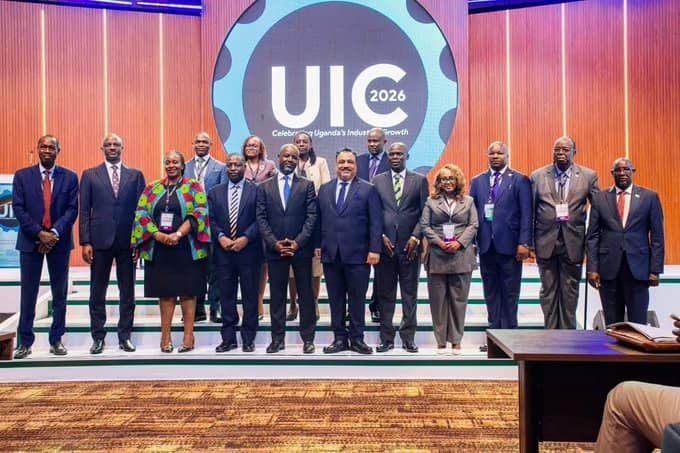
This was the big message from the Uganda Industrialisation Conference 2026, taking place from November 18 to 20 at Speke Resort Munyonyo, under the theme “Celebrating Uganda’s Industrial Growth.”
The conference, which brought together policymakers, investors, manufacturers, development partners and private-sector representatives, also marked 10 years since the re-establishment of the Uganda Development Corporation (UDC) under the UDC Act of 2016.
GGOOBI: From Tenfold To Sevenfold.
Speaking on Wednesday, Permanent Secretary and Secretary to the Treasury (PSST), Dr. Ramathan Ggoobi, said the country had made progress towards its Tenfold Growth Strategy, which seeks to expand the economy to US$500 billion by 2040.
“Uganda’s economy has already expanded to more than US$70 billion. We have therefore moved from an ambition to expand the economy tenfold to one requiring approximately a further sevenfold expansion. Our next important milestone is to cross US$100 billion before 2030,” he said.
Ggoobi said reaching US$500 billion by 2040 will require sustained double-digit growth in nominal dollar GDP, stronger productivity, investment, exports and macroeconomic stability.
The International Monetary Fund’s October 2026 World Economic Outlook estimates Uganda’s nominal GDP at US$72.24 billion, providing an independent estimate above the US$70 billion milestone.
He added that the state should focus on creating markets and enabling private-sector investment rather than permanently replacing market players.
“The state must create markets, not permanently replace them,” Ggoobi said.
TANNA: UDC Grows From Shs160bn To Shs1.5 Trillion.
Trade, Industry and Cooperatives Minister Sanjay Tanna said UDC’s investment portfolio has grown from about Shs160 billion in 2019 to Shs1.5 trillion in 2026.
He said UDC’s portfolio comprises 30 companies, of which 18 are commercially operational* while 12 are under implementation.
The investments had supported the creation of 5,799 direct jobs and more than 700,000 indirect jobs, while facilitating the purchase of over 35,769 metric tonnes* of agricultural produce.
Tanna said Uganda’s industrialisation agenda was central to the ambition of becoming a high-income economy by 2040, with government targeting growth of the economy from approximately $50 billion to $500 billion under the Ten-Fold Growth Strategy.
He identified agro-industrialisation, tourism, mineral development, and science, technology and innovation as priority areas, saying manufacturing would be critical in transforming the country’s natural resources into higher-value products.
Manufacturing Now Big.
According to Tanna, the number of manufacturing establishments has increased from about 81 in 1986 to more than 12,000 active formal establishments.
He said the industrial sector contributes about 27.4% of GDP, recorded annual growth of 6.4%and accounts for 24.6% of merchandise exports. The sector employs more than 1.8 million people and contributes about 33% of Uganda Revenue Authority collections, equivalent to Shs10.4 trillion.
Tanna said Uganda had also expanded domestic production of goods previously imported, including steel, cement, automobiles, pharmaceuticals, powdered milk, electrical cables, textiles, mobile phones, smart televisions, transformers and prepaid water and electricity meters.
He said industrial performance should be assessed by its contribution to the wider economy rather than the number of factories established.
“Our greatest measure of industrial success must not simply be the number of factories established, but the value they add to our economy, the jobs they create, the farmers and local suppliers they support, the imports they substitute and the exports they generate,” Tanna said.
He urged UDC to deepen strategic investments, strengthen public-private partnerships and accelerate import substitution, value addition and export-oriented production.
On regional trade, Tanna said Uganda needed to position itself as a production and export hub:
“We must increasingly position Uganda as a production and export hub, supplying quality, competitively priced Ugandan products to the wider African market and beyond.”
TAYEBWA: Next 10 Years Must Be About Harvesting.
Deputy Speaker of Parliament Thomas Tayebwa said industrialisation required legislation, funding and accountability, reaffirming Parliament’s commitment to supporting the sector.
Tayebwa challenged UDC to translate its investments into greater industrial output, saying the corporation needed to move beyond establishing strategic projects to ensuring they deliver measurable economic benefits.
“The first ten years have been about planting, the next ten years must be about harvesting,” Tayebwa said.
Permanent Secretary in the Ministry of Trade, Industry and Cooperatives, Lynette B. Bagonza, said industrialisation should be assessed by its impact on people’s lives rather than treated as an objective in itself.
“Industrialisation should not be treated as an end in itself. It must deliver tangible improvements in people’s lives,” Bagonza said.
The Big Risk: Revenue.
Ggoobi has previously warned that low domestic revenue mobilisation is the greatest risk to achieving the US$500 billion economy.
According to government projections, domestic revenue is expected to increase from Shs 35.7 trillion in FY 2025/26 to Shs 45.6 trillion in FY 2026/27. Government is also targeting an increase in the tax-to-GDP ratio from about 14 percent to 20 percent by 2030.
He also noted that last financial year was unique compared to other election years, citing stable inflation, a stable Ugandan shilling, strong economic growth and increased exports, particularly coffee.
What This Means For Ordinary Ugandans.
The question on the streets of Kampala, Mbarara, Gulu, Mbale and Arua remains the same:
If the economy is now $70 billion and UDC is now worth Shs1.5 trillion, when will it be felt in the pocket in lower food prices, jobs for the youth, and better services?
On his X page, Minister Bahati David posted “Today, I attended the opening of Uganda Industrialisation Conference 2026 at Speke Resort Munyonyo, under the theme “Celebrating Uganda’s Industrial Growth.”
The conference brings together policymakers, investors and industry leaders to strengthen partnerships, promote local enterprises and address barriers to industrial development.
Attracting both local and foreign investment, expanding manufacturing capacity and promoting value addition are key to driving Uganda’s industrial transformation, creating jobs, increasing exports and positioning the country as a competitive regional manufacturing hub”.



Leave a Comment
Your email address will not be published. Required fields are marked *